Waterproof LVP – Luxury Vinyl Plank Flooring
The Engineering of Resilience: LVP Manufacturing and Materials
The development of waterproof LVP or luxury vinyl plank represents a pinnacle in architectural material science, shifting the paradigm of resilient flooring from simple aesthetic coverings to high-performance engineered systems. This transition was necessitated by the inherent failures of traditional laminate and natural timber when exposed to high-humidity environments, subfloor moisture, or topical spills. The contemporary manufacturing landscape is dominated by two primary architectural philosophies: Wood Plastic Composite (WPC) and Stone Plastic Composite (SPC), both of which utilize a heterogeneous, multi-layered construction to achieve 100% moisture immunity. By analyzing the chemical synthesis of core materials, the physics of mechanical locking systems, and the precision of industrial lamination, one can understand how these products maintain dimensional stability while mimicking the nuanced textures of natural materials.

Foundational Chemical Constituents and Raw Material Synthesis
The manufacturer of waterproof LVP begins with a meticulous selection of raw materials, primarily centered on polyvinyl chloride (PVC) resin. PVC is a thermoplastic polymer favored for its inherent hydrophobicity and durability. Unlike organic materials, the molecular structure of PVC does not include the hydroxyl groups that facilitate water absorption, making it the ideal matrix for a waterproof floor. To tailor the characteristics of this plastic, manufacturers introduce a complex array of additives including stabilizers, which prevent thermal degradation during high-heat processing; lubricants, which facilitate the movement of the molten polymer through extrusion machinery; and plasticizers, which modulate the final plank’s flexibility.
In the engineering of rigid core products, the ratio of polymer to filler is the most critical variable. For Stone Plastic Composite (SPC), the primary filler is calcium carbonate, typically derived from limestone powder. This mineral component provides the mass and rigidity necessary to resist compression and indentation. In Wood Plastic Composite (WPC), the filler traditionally consisted of wood flour or wood pulp; however, the industry has evolved toward “wood-fiber-free” WPC formulations. These modern iterations utilize foaming agents to create an expanded PVC core, retaining the soft underfoot feel of wood without the biological risk of organic decay when exposed to moisture.
| Raw Material Component | Functional Role in LVP Architecture | Impact on Final Product Performance |
| Polyvinyl Chloride (PVC) | Polymer Matrix / Binding Agent | Provides 100% waterproof baseline and structural integrity. |
| Calcium Carbonate ($CaCO_3$) | Mineral Filler (primarily in SPC) | Increases density, hardness, and dent resistance. |
| Foaming Agents | Volumetric Expansion (primarily in WPC) | Creates air pockets for comfort and acoustic insulation. |
| Aluminum Oxide / Ceramic | Hardness Additive (Wear Layer) | Enhances Mohs scale rating for scratch and scuff resistance. |
| Organotin / Zinc Stabilizers | Thermal / UV Stabilization | Prevents discoloration and warping during production and use. |
| Phthalate-free Plasticizers | Flexibility Modulation | Ensures planks remain resilient without compromising air quality. |
The Compounding Phase: Mechanical Mixing and Thermal Homogenization
Before extrusion can occur, the raw materials must undergo compounding, a process that ensures every cubic millimeter of the core has a consistent chemical signature. This stage utilizes high-speed mixers where the PVC resin and additives are combined under controlled temperatures. The friction generated by the mixing blades helps to distribute stabilizers and lubricants evenly throughout the polymer matrix. For SPC, the limestone powder is introduced at this stage, requiring specialized equipment to handle the abrasive nature of the mineral filler.
The output of the compounding phase is often a “dry blend” or pelletized compound. Achieving chemical homogeneity at this stage is the primary defense against future delamination or core fracturing. If the limestone powder is not fully encapsulated by the PVC resin, the resulting core will be brittle and prone to structural failure. Consequently, advanced manufacturers utilize automated gravimetric feeding systems to ensure that the material ratios remain precise to within a fraction of a percentage point, maintaining the dimensional stability that differentiates premium waterproof LVP from budget-tier alternatives.
Core Engineering: The Extrusion and Expansion Processes
The core of a luxury vinyl plank serves as its structural backbone, and its creation is the most energy-intensive part of the manufacturing process. The core dictates how the floor reacts to heavy furniture, temperature swings, and foot traffic.
SPC Rigid Core Extrusion
For Stone Plastic Composite, the compounded material is fed into a twin-screw extruder. The screws subject the material to high shear and heat, melting the PVC and creating a viscous, molten dough. This molten mass is forced through a flat T-die, which extrudes a continuous sheet of rigid core material. As the sheet emerges, it passes through a series of calendaring rollers. These heavy, heated rolls precisely calibrate the thickness of the sheet and ensure the surface is perfectly flat for the subsequent lamination of the decorative layers of waterproof LVP.
The physics of SPC extrusion results in an incredibly dense material. Because there are no foaming agents, the limestone and plastic are packed tightly together. This density is the mechanism behind SPC’s superior resistance to “point loads”—the pressure exerted by heavy appliances or high heels. However, this density also means the material is more thermally conductive, often feeling colder underfoot than wood or WPC.
WPC Foamed Core Expansion
In Wood Plastic Composite manufacturing, the process involves a deliberate introduction of air. As the PVC and filler (whether wood pulp or plasticizers) are extruded, chemical foaming agents are activated by the heat. These agents decompose into gases, creating millions of microscopic bubbles within the core. This expanded PVC (ePVC) structure is what gives WPC its characteristic “give” and warmth. The air pockets act as a thermal barrier and an acoustic damper, absorbing energy rather than reflecting it.
The evolution of WPC core technology has moved significantly toward wood-fiber-free designs to ensure total moisture immunity. While early WPC used wood flour that could theoretically swell if the PVC encapsulation failed, modern WPC relies on foamed polymers that remain 100% waterproof while maintaining the desired bulk and thickness. This thickness is particularly useful when installing waterproof LVP adjacent to thicker surfaces like ceramic tile or hardwood, as it minimizes the need for drastic transition strips.

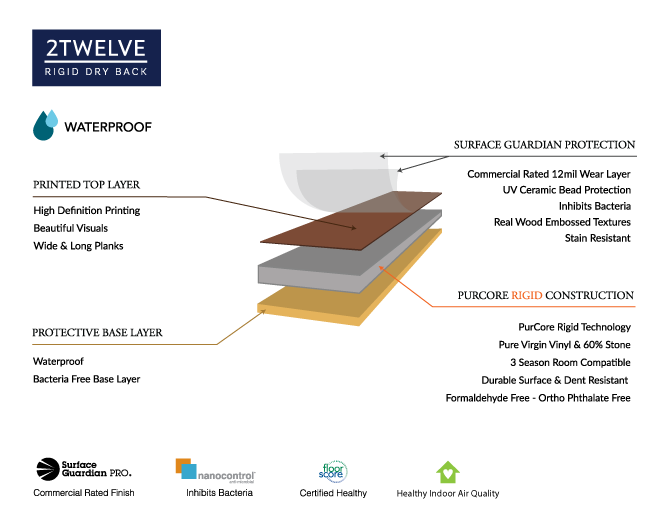
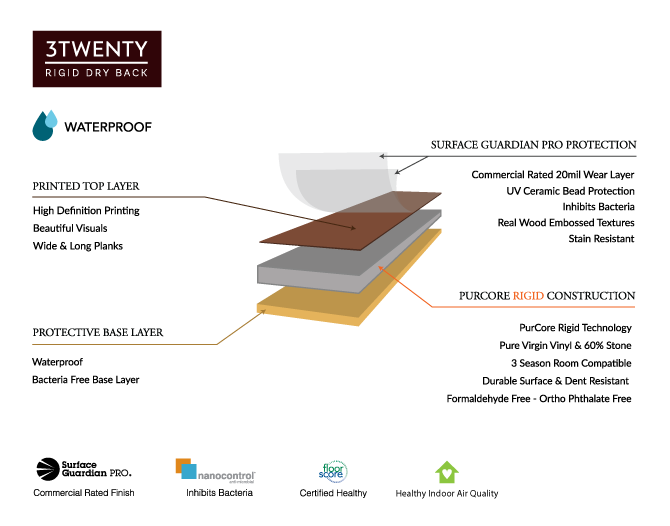
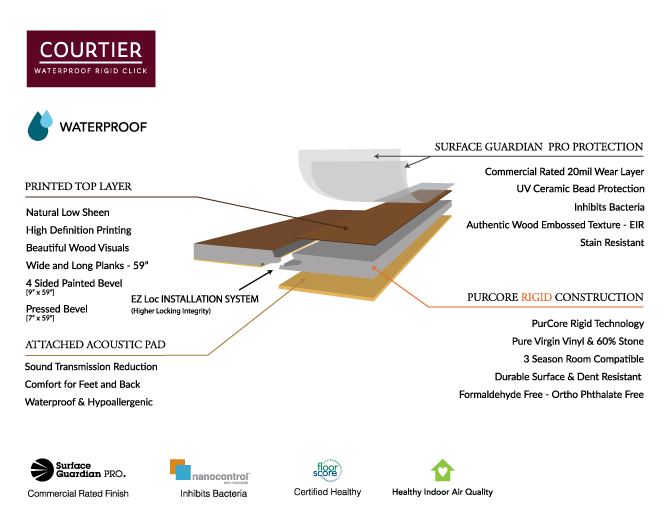
Multi-Layer Lamination: Integrating Form and Function
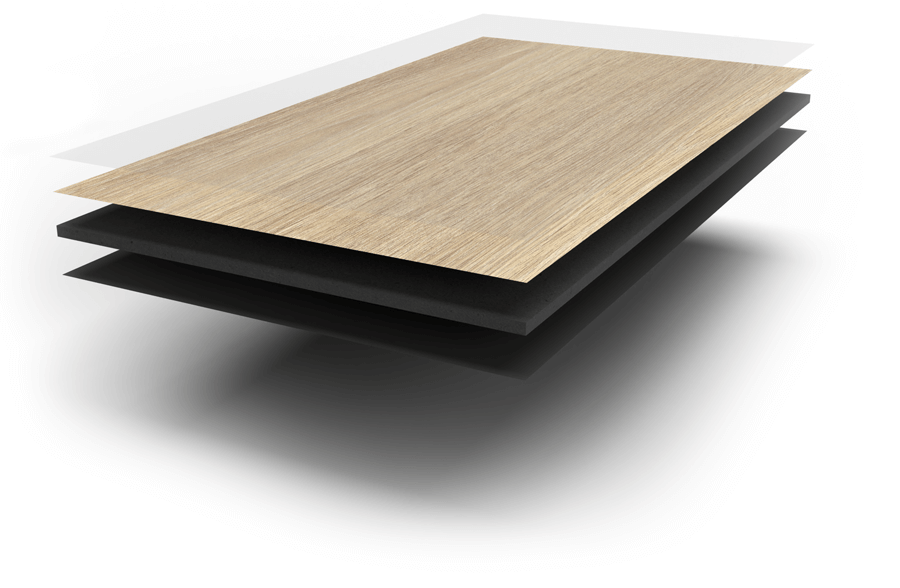
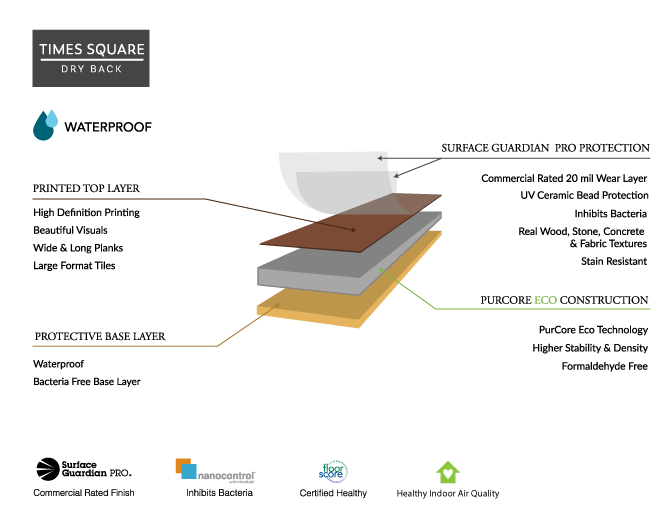
A luxury vinyl plank is not a single piece of plastic but a sophisticated laminate where each layer solves a specific architectural problem. The bonding of these layers is a critical manufacturing step that determines the floor’s lifespan.
The Decorative Print Film
The visual identity of the floor is found in the design layer. This is a thin vinyl film printed with high-resolution imagery using rotogravure or digital printing technologies. To achieve the realism required in the premium market, manufacturers use high-definition photographs of real wood planks or stone slabs. Advanced digital printing allows for hundreds of square feet of unique pattern, preventing the “repeat” effect where identical knots or grains appear frequently across a floor.
Wear Layer Technology and Protective Coatings
The wear layer is a transparent PVC sheet applied over the design film. Its thickness, measured in mils, is the primary indicator of the floor’s durability in high-traffic environments. Above the wear layer, a final UV-cured polyurethane coating is applied. This coating is often reinforced with microscopic additives to improve scratch resistance.
-
Aluminum Oxide: These particles provide a hard, anti-scuff surface that protects against fine scratches from sand and grit.
-
Ceramic Beads: Often found in commercial-grade waterproof LVP, these offer impact resistance and prevent “burnishing” or shiny spots from heavy foot traffic.
-
Diamond 10 Technology: Proprietary to Armstrong, this utilizes cultured diamonds to achieve a high Mohs hardness rating, providing unmatched protection against the stresses of commercial environments.
Lamination Methods: Heat Fusion vs. Cold Pressing
The method of joining these layers is a differentiator in product quality. High-end SPC typically uses heat fusion, where the wear layer, design film, and core are pressed together while the materials are still warm from the extruder. This creates a thermal bond that is nearly impossible to separate, eliminating the risk of delamination. In contrast, some WPC products use cold-pressing, which relies on a separate adhesive layer. While effective, the glue layer in cold-pressed products can theoretically break down over many years of high traffic or moisture exposure.
| Layer Type | Material Composition | Primary Engineering Goal |
| Protective Coating | UV-Cured Polyurethane + Additives | Scratch, stain, and scuff resistance. |
| Wear Layer | Clear PVC (12 to 20+ mil) | Protects the print film from mechanical abrasion. |
| Design Layer | HD Printed Vinyl Film | Aesthetic realism (wood, stone, or textile visuals). |
| Rigid Core | SPC (Limestone/PVC) or WPC (Foamed PVC) | Dimensional stability, waterproofing, and impact resistance. |
| Backing Layer | Cork, IXPE, or EVA Foam | Acoustic insulation, subfloor leveling, and moisture barrier. |
Precision Machining: The Physics of the Click-Lock System
One of the most critical stages in making waterproof LVP,waterproof is the milling of the interlocking edges. A floor that is 100% waterproof in its material composition can still fail if the seams allow water to sit and seep through to the subfloor. The milling process uses diamond-tipped cutters to carve precise tongue-and-groove profiles into the edges of the rigid core.
Unilin (Uniclic) Angle-Angle Technology
The Uniclic system is a masterpiece of mechanical engineering. It uses an “angle-angle” method where the planks must be tilted to lock together. The profile is designed with “pre-tension,” meaning the lower lip of the groove is slightly angled. When the tongue is inserted and the plank is lowered, this lip flexes and then pushes back, creating a constant horizontal force that pulls the planks toward each other. This tension ensures the seams stay tight even as the building shifts or the temperature changes, effectively creating a mechanical seal against water.
Välinge 5G and Drop-Lock Systems
The Välinge 5G system was engineered for installation speed. It uses a “fold-down” mechanism on the short side of the plank. Inside the joint is a flexible plastic or fiberglass insert. As the plank is pressed down, this insert retracts and then snaps into the groove of the adjacent plank. This provides an audible “click” that confirms the joint is fully seated. While slightly more prone to debris interference than angle-angle systems, 5G technology has been further refined with “5G Dry” profiles that specifically focus on slowing water penetration at the seam.
Backing Systems and Acoustic Damping
The final layer added to the plank is the backing, which is often factory-applied to the bottom of the rigid core. This layer serves as the interface between the floor and the subfloor, and its engineering is vital for the living experience of the home.
IXPE and EVA Foam Backings
Cross-linked polyethylene (IXPE) is a closed-cell foam that is 100% waterproof. It provides excellent acoustic insulation by absorbing the “click-clack” sound of footsteps on a hard surface. Because it is closed-cell, it does not absorb water that might be trapped underneath the floor, preventing the growth of mold or mildew. EVA (ethylene-vinyl acetate) is another common backing, though it is generally considered a budget option as it can compress more easily over time compared to the more resilient IXPE.
Natural Cork Backing
Some premium brands, such as COREtec, utilize natural cork backing. Cork is naturally antimicrobial and provides a higher degree of thermal insulation than synthetic foams. While it is organic, the suberin (a waxy substance) in cork makes it highly resistant to moisture, fitting within the “waterproof” ecosystem of the waterproof LVP plank.
Quality Control and Performance Testing
To earn the label of a professional-grade waterproof floor, waterproof LVP must undergo rigorous testing that mimics decades of wear in a matter of days. These tests ensure the product will not delaminate, warp, or fade.
Dimensional Stability and Boiling Tests
The most significant test for a waterproof floor is the boiling test. Samples of the core are submerged in boiling water for several hours to check for expansion. Because SPC and modern WPC contain no wood fibers, they should show 0% expansion. Additionally, planks are placed in environmental chambers that cycle between extreme heat and cold. This tests the “memory” of the PVC; a poorly annealed plank will “curl” at the edges when the temperature drops, a failure that can ruin an entire installation.
Wear Resistance and the Taber Test
The durability of the wear layer is tested using a Taber Abraser. This machine uses weighted abrasive wheels to grind the surface of the plank until the decorative print is damaged. The number of rotations required determines the AC (Abrasion Class) rating of the floor. For commercial-grade SPC, the target is often over 6,000 rotations.
Impact and Indentation Testing
SPC is specifically tested for indentation resistance using a specialized probe. This ensures that the high mineral content of the core can withstand the static pressure of heavy furniture without leaving permanent divots. WPC, being a foamed product, will typically have a lower indentation resistance rating but will perform better in the “large ball impact” test, where it absorbs the shock of dropped objects without cracking.

LEARN ABOUT LVP
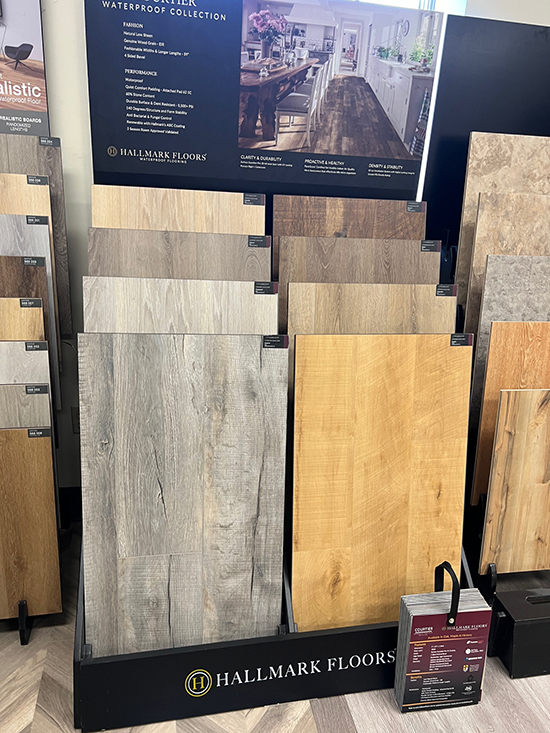
Learn all about Hallmark Floors waterproof rigid click products, from construction to finish. Hallmark Floors’ waterproof flooring has a variety of beautiful and innovative quality colors to choose from.
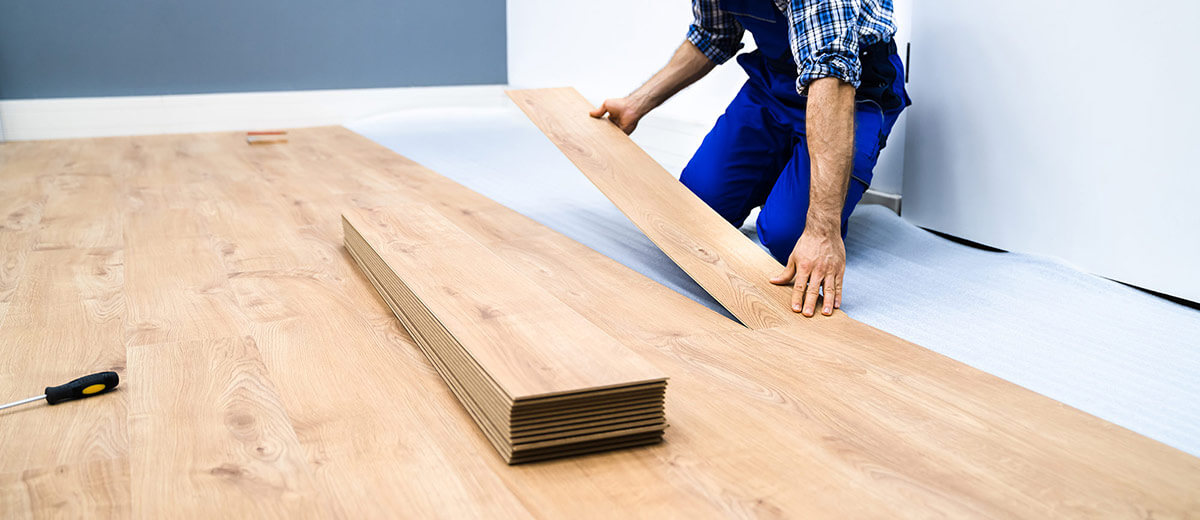
INSTALLATION
Proper installation is imperative for enjoying your Hallmark Floors for years to come. Follow these simple guides to maintain the beauty and durability of your floor, the Hallmark of your home.
MAINTENANCE
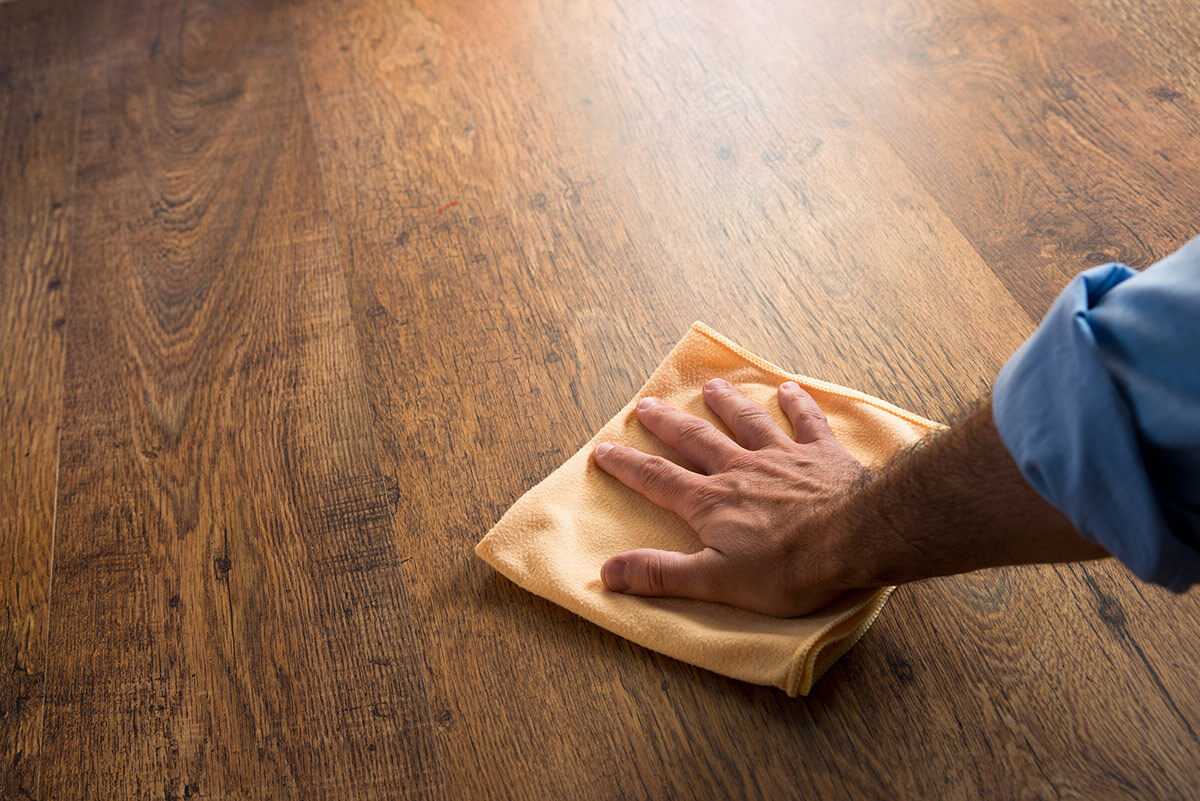
Enjoy your new Hallmark Floors for years to come and keep them looking great with our range of exclusive cleaning products made specifically for our floors. What type of cleaning product to choose depends on the finish of your floors.
VINYL CHARACTERISTICS
Rigid flooring is made up of vinyl, additives for flexibility and a higher amount of stone aggregate. Rigid floors are also referred to as SPC. (Stone Plastic Component). Hallmark Floors’ Courtier Collection has an EZ Loc system, making installation simple, fast & efficient.
The Evolution of the Core: Magnesium Oxide (MgO)
While SPC and WPC are the current market leaders, the “latest” evolution in waterproof flooring is the Magnesium Oxide (MgO) core. These planks are entirely mineral-based and contain no plasticizers. MgO cores provide the highest level of fire resistance and are essentially immune to temperature-related expansion and contraction. However, the manufacturing process for MgO is more complex, and the material is more brittle than PVC-based composites, making it a specialized product for extreme commercial environments where fire safety and total dimensional stability are paramount.
Manufacturing for Sustainability: VOCs and Phthalates
The “How is it made” question must also address what is not in the floor. Modern waterproof LVP manufacturing has pivoted toward health and environmental safety. The inclusion of recycled materials is common in the backing and backing layers, but the core often requires 100% “virgin vinyl” to ensure the structural integrity of the click-locking system. Furthermore, the industry has largely eliminated the use of ortho-phthalate plasticizers, which were once common in vinyl products. Most professional-grade waterproof LVPs now carry FloorScore® or GreenGuard Gold certifications, ensuring that the chemical stabilizers used during extrusion do not release harmful volatile organic compounds (VOCs) into the home.
Adhesives and Permanent Bonding Systems
While the majority of waterproof LVP is installed as a “floating floor” using click-lock systems, certain commercial applications require a “glue-down” method for maximum stability. In these cases, the chemistry of the adhesive is as important as the floor itself.
-
Pressure Sensitive Adhesives (PSA): These remain tacky after application, allowing for easy plank replacement while providing enough grip to prevent shifting in residential settings.
-
Hard-Set Adhesives: These cure into a rigid bond. They are ideal for areas with heavy rolling loads, such as hospitals (wheelchairs) or warehouses (forklifts), where a floating floor would buckle under the lateral pressure of the wheels.
-
Epoxy-Based Adhesives: These two-component systems provide the strongest possible bond and are used in areas with extreme moisture or chemical exposure, such as commercial kitchens.
Comparative Market Analysis: SPC vs. WPC for Professional Applications
Deciding between SPC and WPC for a project requires an understanding of their manufacturing differences and the resulting functional outcomes. SPC is fundamentally a “hardness” solution, while WPC is a “resilience” solution.
| Feature | Stone Plastic Composite (SPC) | Wood Plastic Composite (WPC) |
| Core Structure | Solid, High-Density Mineral-PVC | Foamed, Expanded PVC |
| Thickness Profile | Thinner (3.2mm – 5mm) | Thicker (5.5mm – 12mm) |
| Temperature Stability | Superior (minimal movement) | Moderate (prone to some expansion) |
| Subfloor Requirements | Must be very flat (hides less) | More forgiving (hides imperfections) |
| Acoustic Performance | Requires high-quality underlayment | Naturally quiet and sound-absorbent |
| Primary Use Case | Commercial, Sunrooms, Basements | Residential, Bedrooms, Multi-story |
Installation Engineering: Subfloor Preparation and Expansion Gaps
The successful manufacture of a waterproof floor is only half the battle; the “waterproof” promise is often broken during installation. Because waterproof LVP is a “floating” system, it needs space to move. Even the most stable SPC core will expand and contract slightly with seasonal temperature changes. If the floor is installed without a 1/4-inch to 1/2-inch expansion gap around the perimeter, the planks will press against the walls and “buckle,” creating gaps in the click-lock system that allow water to bypass the waterproof core.
Furthermore, the subfloor must be prepared to handle the rigidity of the plank. For SPC, any high spots in the concrete or wood subfloor will act as a fulcrum, causing the click-lock joint to “snap” when walked upon. Professional installers often use self-leveling compounds or sand down high spots to ensure a smooth substrate, protecting the mechanical integrity of the manufactured planks.
Conclusion: The Synergy of Material and Mechanical Waterproofing
Waterproof LVP is a sophisticated composite that relies on the synergy between chemical hydrophobicity and mechanical precision. By combining the inert properties of PVC and limestone with the high-tension engineering of modern click-lock profiles, manufacturers have created a surface that effectively addresses the primary vulnerabilities of traditional flooring.
The choice between SPC and WPC ultimately represents a trade-off between structural rigidity and underfoot comfort. However, both architectures share the same fundamental manufacturing lifecycle: from the compounding of mineral fillers and virgin polymers to the high-heat extrusion of a waterproof core, and finally, the precision milling of the joints that hold the entire system together. As the industry moves toward even more stable mineral-based cores like MgO and more realistic digital printing, the “waterproof” category will likely continue to expand its dominance in both the residential and commercial sectors, offering a solution that is as durable as it is aesthetically convincing.
Suggested Watch