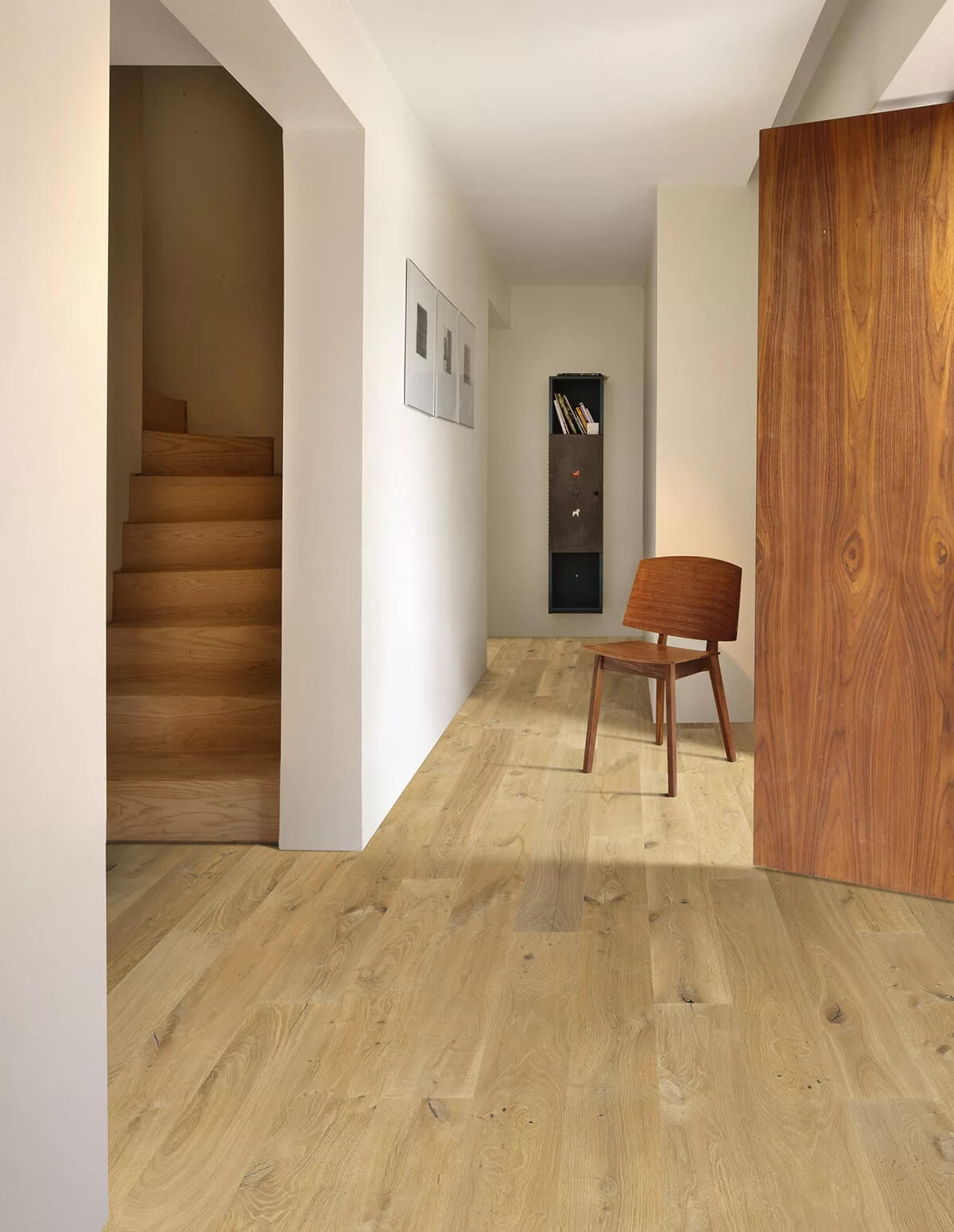
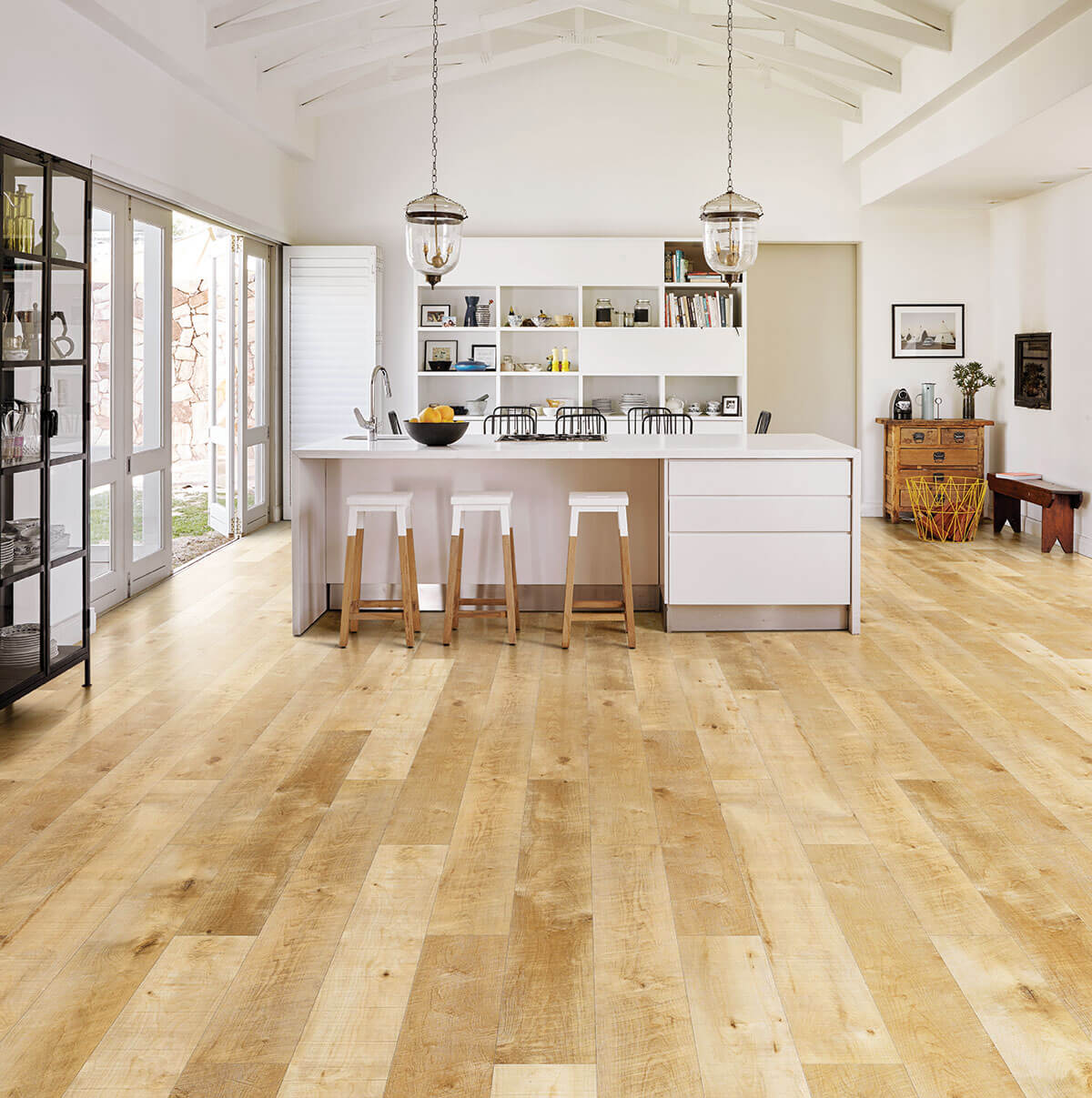
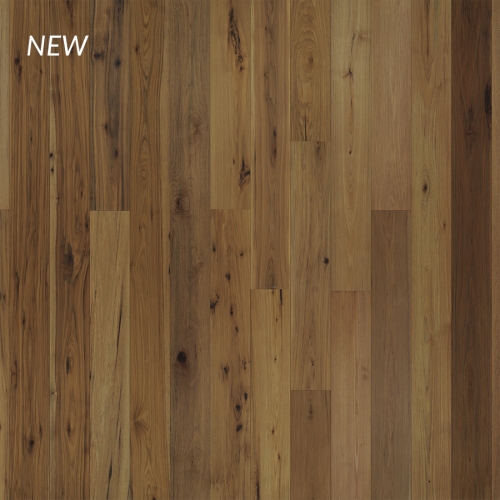
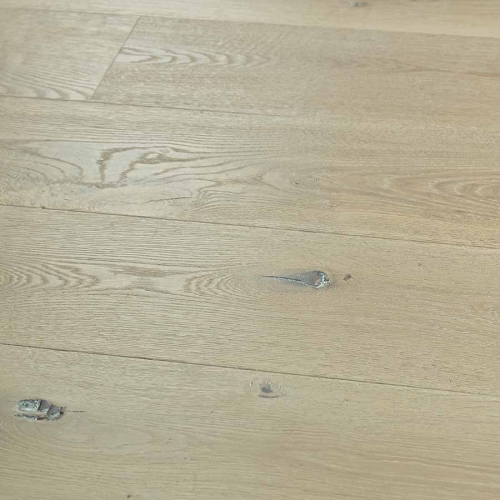
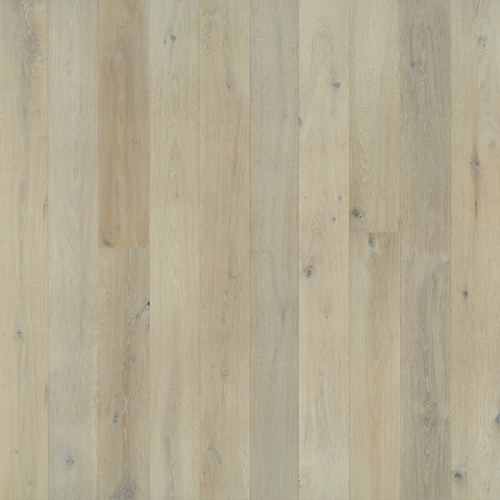
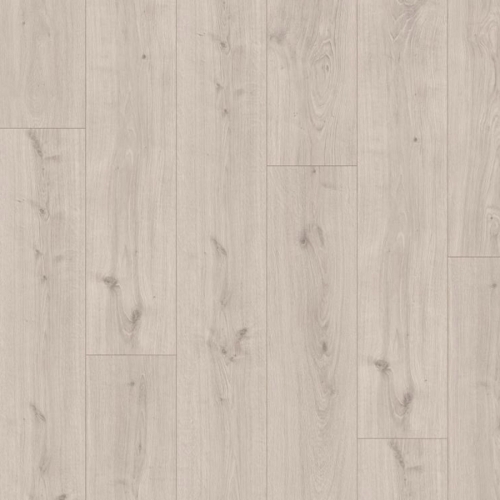
Hardwood Floor Cost Installed: Turnkey Estimates [per sq.ft.]

ALL-in Data, Options, and Cost Drivers

For an all-in, turnkey professional installation of hardwood flooring (covering materials, labor, basic prep, and standard site overhead), expect a broad national average of $6 to $25 per square foot. Most homeowners end up paying in the $8 to $16 per square foot sweet spot for mid-range domestic woods.

To give you a realistic picture of what a true “turnkey” quote looks like, the costs are broken down below by project tiers and the hidden line items that contractors factor into an all-inclusive estimate.

1. Turnkey Cost Tiers (Installed)

Project Quality Tier Est. Cost / Sq. Ft. Typical Materials & Setup Included
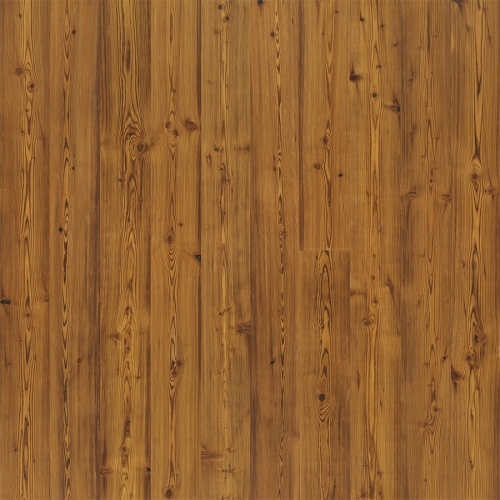
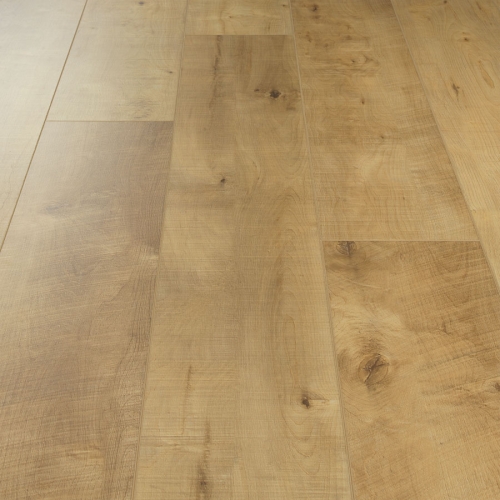
Budget / Basic $6 – $10 Basic domestic woods (e.g., Pine, utility-grade Maple), entry-level thin engineered wood, or standard floating/click-lock installations. Minimal floor prep.
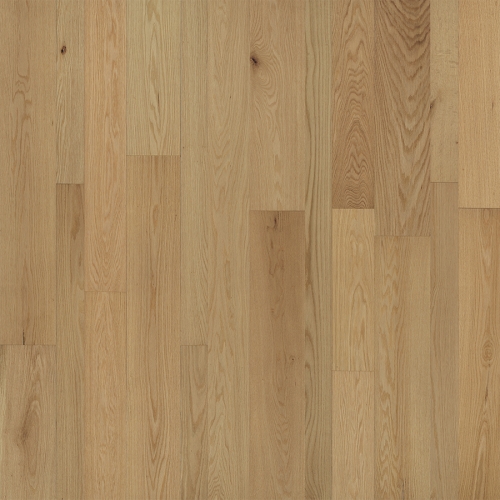
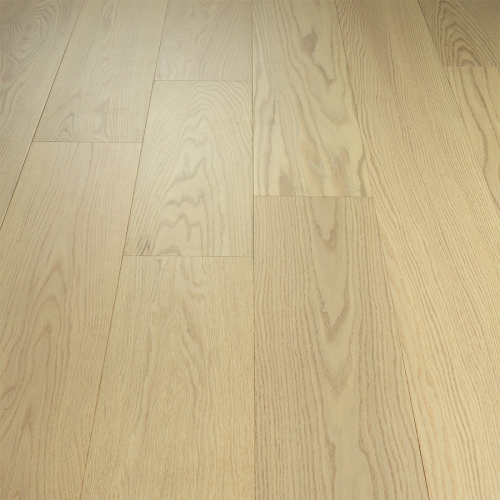
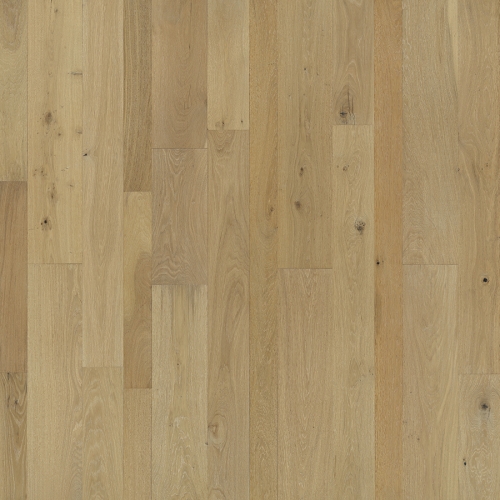
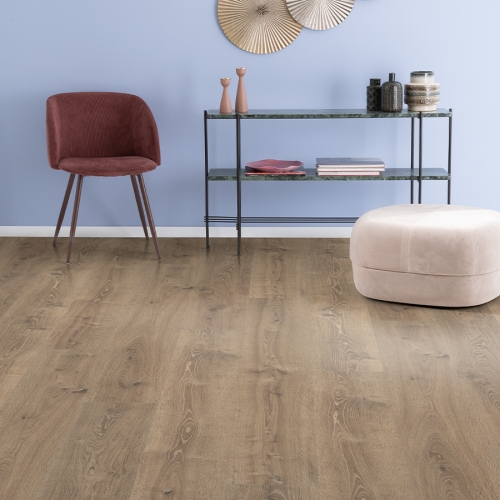
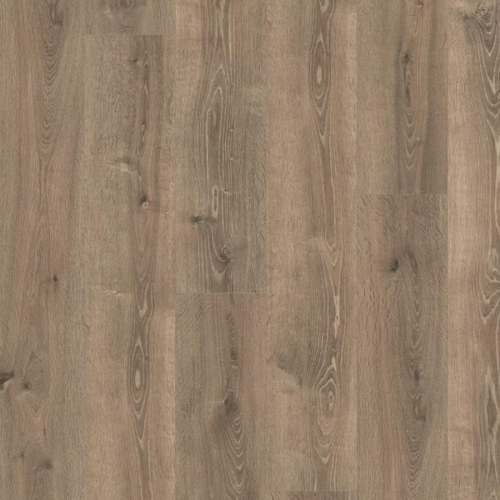
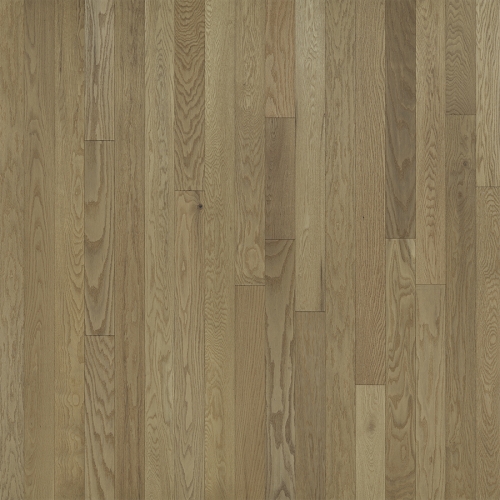
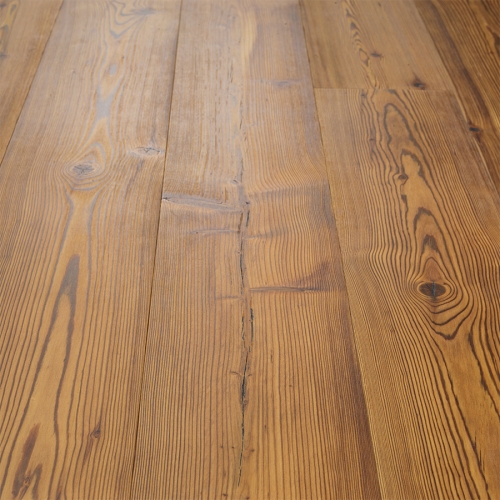
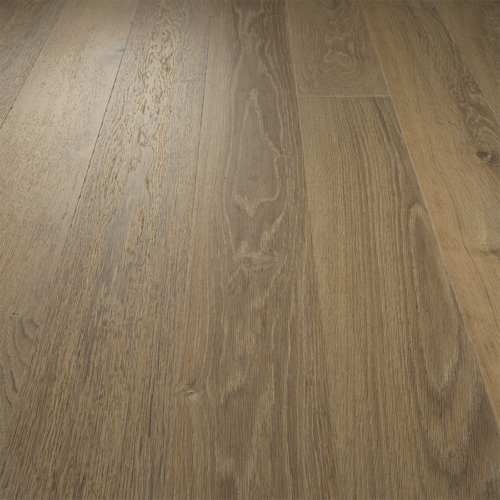
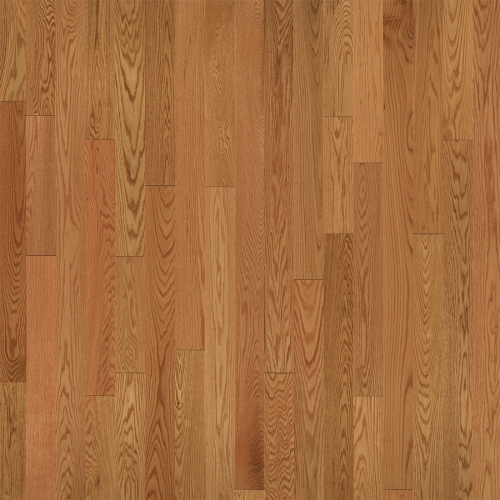
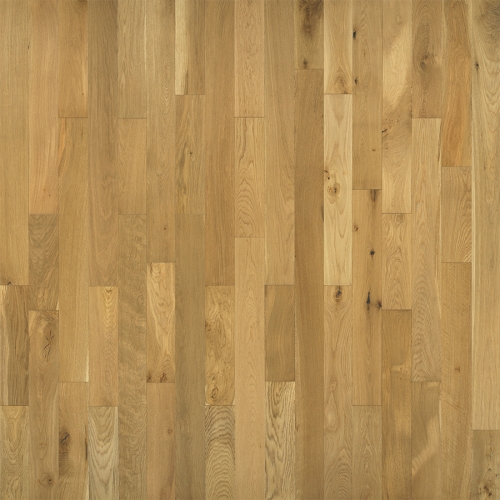
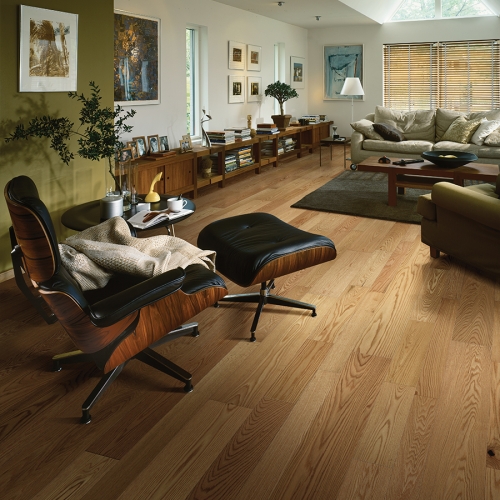
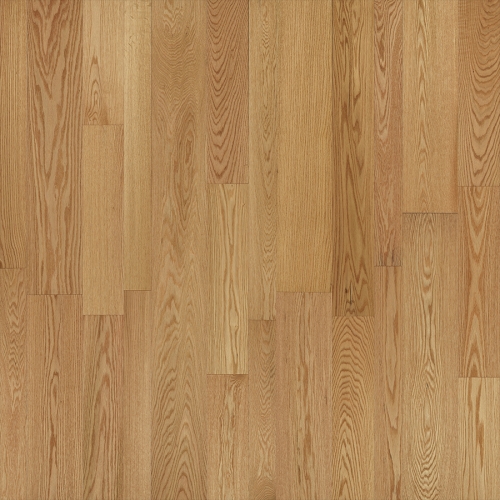
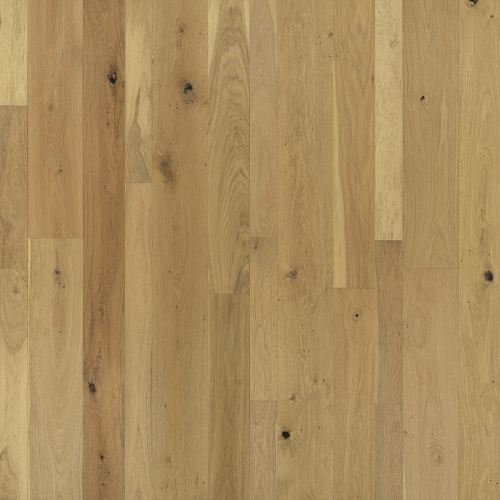
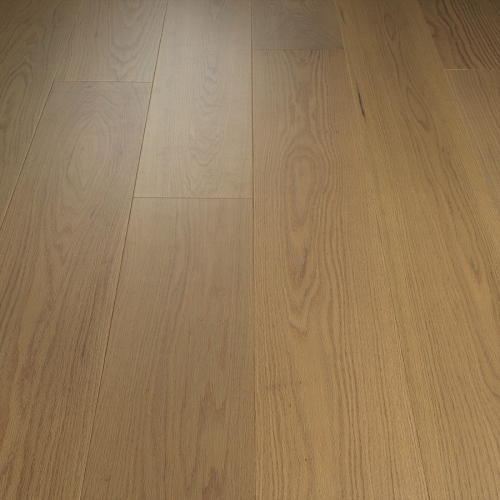
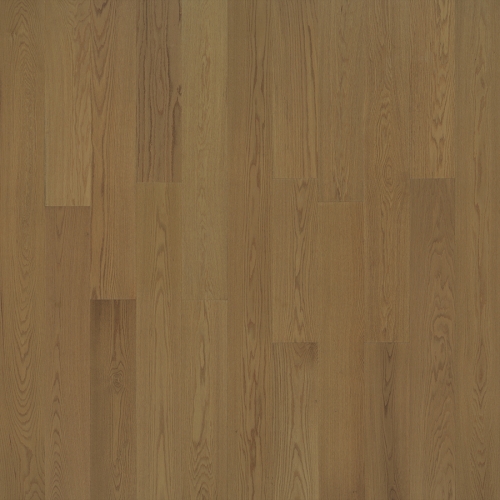
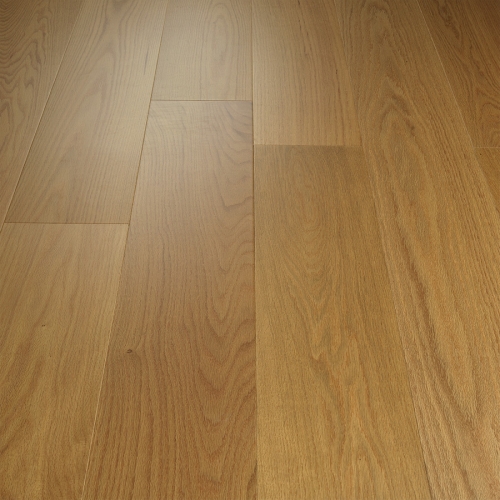
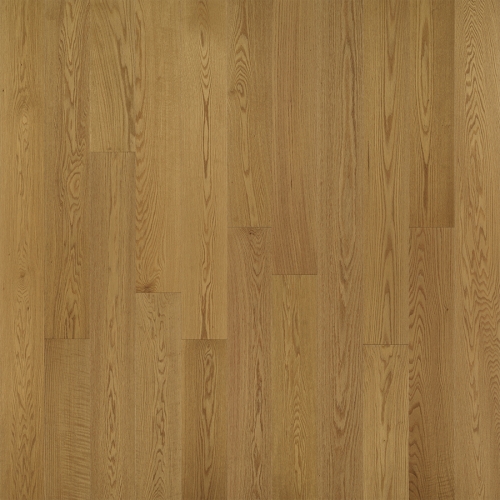
Mid-Range (Most Common) $10 – $18 High-quality domestic solid or thick-veneer engineered woods (Red Oak, White Oak, Hickory). Includes standard prefinished boards, basic underlayment, and standard nail/staple installation.
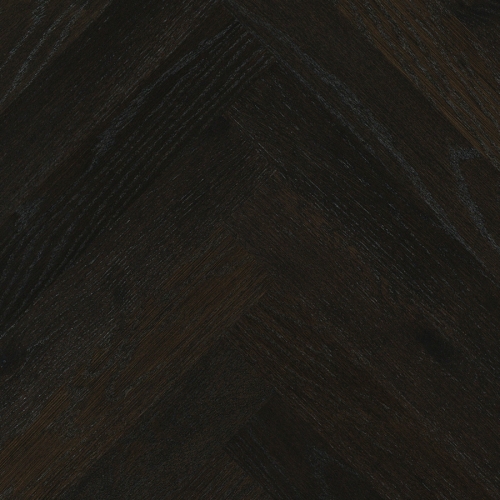
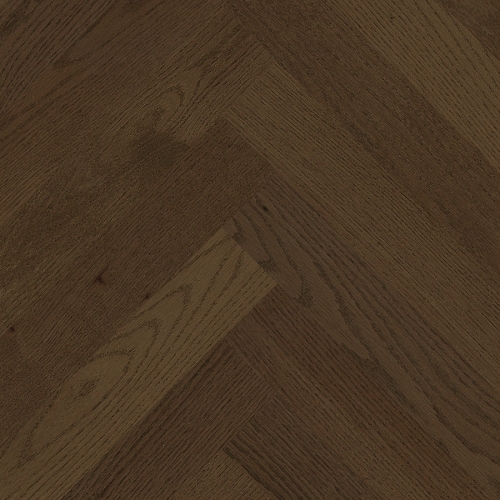
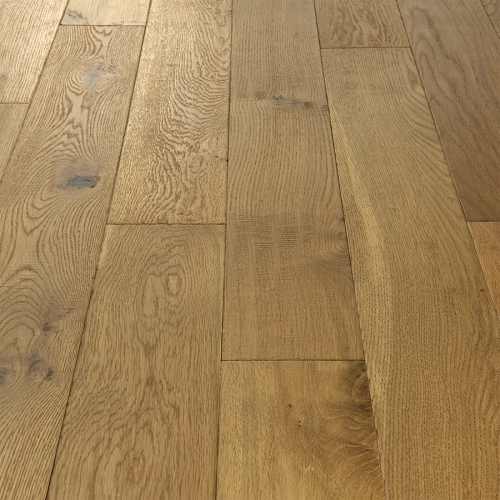
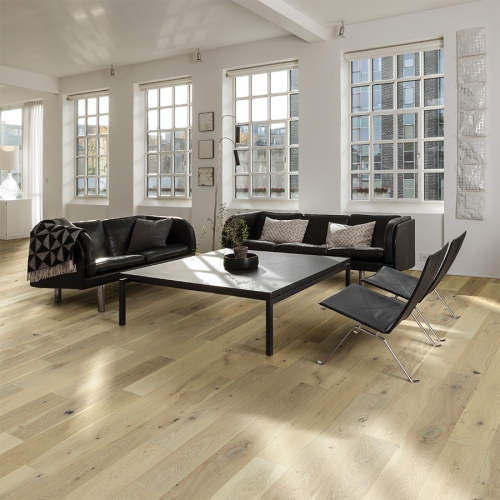
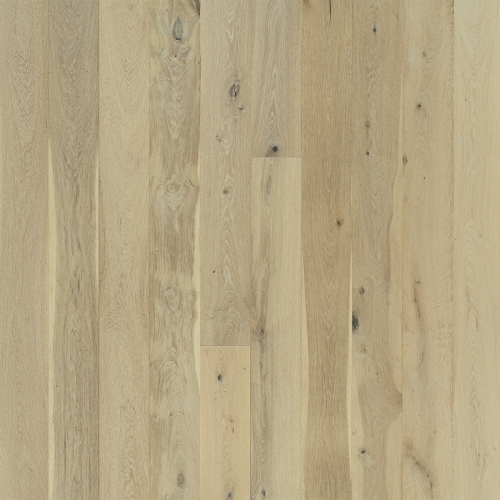
Premium / High-End $18 – $25+ Exotic species (e.g., Brazilian Walnut, Mahogany), top-tier wide-plank collections, custom on-site sanding/staining (unfinished wood), or complex patterns like herringbone.

2. All-In Project Estimator by Room Size

Because contractors generally price out jobs based on total square footage (factoring in a 10% waste material buffer for cuts and layout), total turnkey budgets roughly scale as follows:

  • Small Space (~200 sq. ft. – e.g., Hallway/Small Bedroom): $1,200 to $4,000

  • Average Space (~500 sq. ft. – e.g., Living Room/Suite): $3,000 to $9,000

  • Large Space (~1,200 sq. ft. – e.g., Multi-room/Entire Level): $7,200 to $22,000+

3. What Actually Goes Into a “Turnkey” Invoice?

A true turnkey estimate prevents surprise change-orders mid-job. When reviewing a contractor’s quote, verify that these four core categories are itemized or explicitly covered under the flat rate:

A. Material Costs ($3 to $14 / sq. ft.)

This covers the actual wood planks. Solid hardwood typically runs higher ($5 to $15+), whereas engineered wood offers a slightly broader price floor ($3 to $12). Popular, durable domestic options like White Oak or Hickory sit right in the middle.

B. Standard Installation Labor ($3 to $8 / sq. ft.)

  • Nail/Staple Down: The industry standard over plywood subfloors; typically sits on the lower end of labor costs.

  • Glue-Down: Common for installing engineered planks directly over a concrete slab; adds $1 to $2 per sq. ft. for specialized adhesives and labor time.

C. Site Prep & Material Demolition ($1.50 to $4.50 / sq. ft.)

A crew doesn’t just lay wood down; they have to clear the canvas. Turnkey quotes should explicitly state if they cover:

  • Carpet or Vinyl Rip-out: Relatively quick ($1.00 – $1.50 / sq. ft.).

  • Old Tile/Glue Demolition: Highly labor-intensive ($2.00 – $4.00 / sq. ft.).

    Flooring Inc.
  • Subfloor Prep: Minor leveling, patching, or laying down underlayment/vapor barriers ($0.50 – $2.50 / sq. ft.).

D. Trim & Finish Details (Often Flat Rates or Linear Ft.)

To make the job completely seamless, the crew must finish the perimeters:

  • Baseboards & Shoe Molding: Removing and reinstalling existing trim or installing new quarter-round transitions.

  • Transition Strips: T-molding or reducers where the new wood meets existing tile or carpet in doorways.

  • Furniture Moving: Some crews charge a flat fee ($100–$300 per room) if they have to move heavy couches, refrigerators, or beds out of the workspace.

What are the causes for overhead in hardwood floor cost installed

When contractors calculate a turnkey estimate, the baseline costs (just the wood and standard labor) often get pushed upward by project “overhead.” In flooring, overhead typically falls into two categories: job-site complexity (factors that drag out labor times) and unforeseen site conditions (structural issues discovered after demolition).

The primary drivers that push standard hardwood installation costs into higher overhead brackets include the following:

1. Architectural & Layout Complexity

Standard labor rates assume large, rectangular spaces where a crew can rack and nail rows quickly. Overhead spikes when the architecture slows down production:

  • High Wall-to-Floor Ratio: Small rooms, long hallways, walk-in closets, and powder rooms require a massive amount of measuring, perimeter cutting, and board-scribing. The crew spends more time cutting than installing.

    Mr. Handyman
  • Irregular Angles and Obstacles: Fitting planks around curved walls, stone fireplace hearths, kitchen islands, or floor vents requires meticulous, slow hand-cutting.

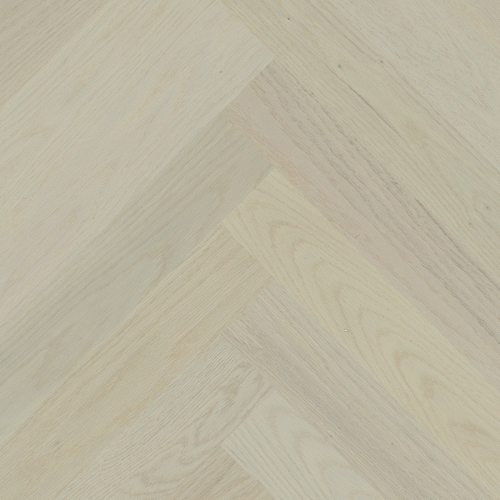
  • Intricate Board Patterns: Stepping away from a standard linear layout to install herringbone, chevron, or diagonal patterns instantly inflates labor overhead by 20% to 50% due to the math and precision cuts involved. It also jumps material waste overhead from the standard 10% up to 15% or 20%.

    Patterson’s Flooring Company+ 1

2. Post-Demolition Subfloor Corrections

You rarely know the true state of a floor until the old carpet, vinyl, or tile is ripped away. Subfloor prep is the single biggest source of unexpected overhead:

  • Leveling and Flatness Adjustments: Hardwood requires a highly rigid, flat substrate. If the subfloor sags or dips, contractors must spend hours grinding down high spots or pouring self-leveling cement compounds to meet strict tolerances (usually within 3/16 inches over a 10-foot radius).

    Coohom
  • Structural Repair: Fixing squeaky joists, replacing rotted plywood sections, or reinforcing bouncy, thin subfloors to prevent the new hardwood from shifting or buckling later.

    Coohom
  • Moisture Mitigation: If testing reveals high moisture emissions from a concrete slab, the installer must add specialized epoxy or heavy-duty chemical vapor barriers, adding significant material and cure-time overhead.

    | Dallas-Fort Worth, TX | iStone Floors

3. High-Labor Installation Methods

How the floor must physically attach to your structure dictates how many hours the crew bills:

  • Glue-Down Over Concrete: Gluing engineered hardwood directly to concrete is vastly more labor-intensive and tedious than nailing planks into a plywood subfloor. It requires expensive, high-tack urethane adhesives and constant cleanup to ensure glue doesn’t ruin the face of the wood.

  • On-Site Sanding and Finishing: Choosing unfinished hardwood means paying for massive machine overhead. The crew must perform multiple rounds of drum sanding, progressive screening, custom staining, and applying multiple protective topcoats—all of which require days of drying time between steps.

4. Perimeter and Transition Logistics

A true turnkey job means handling where the floor stops, starts, and meets other vertical surfaces:

  • Vertical Trim Work: Undercutting heavy wooden door jambs so the new planks slide flush underneath them takes time. Additionally, removing delicate historic baseboards without breaking them, or installing completely new shoe molding across hundreds of linear feet, adds substantial detailing labor.

  • Staircases: Stairs are essentially custom finish-carpentry. Installing stair treads, risers, and custom nosing is slow, dangerous precision work that is usually priced as a hefty flat rate per step rather than by the square foot.

    Flooring Inc.

5. Contractor Operational Overhead

Finally, legitimate businesses wrap their actual cost of doing business into the turnkey square-foot price:

  • Insurance and Assurances: General liability insurance, worker’s compensation, and bonding shield you from liability but add to the contractor’s daily rate.

    From The Forest
  • Waste Disposal Fees: Hauling away tons of heavy, discarded ceramic tile or old carpet requires local commercial dump fees and physical truck transport.

    | Dallas-Fort Worth, TX | iStone Floors
  • Site Protection & Clean-Up: Hanging plastic dust barriers, protective floor runners, using professional HEPA vacuum systems, and the daily staging/breakdown of heavy miter and table saws.