Why Paint Vinyl Flooring?
Is it a Good Idea?
☑ Frequent Cracking & Peeling: Vinyl is a resilient material that bends slightly under weight. Because paint drys rigid, the constant micro-flexing from foot traffic causes the paint to crack, flake, and lift over time.
☑ Zero Scratch Resistance: Dog claws, dragged chairs, dropped toys, and vacuums will easily slice through the thin paint layer, exposing the old, ugly vinyl underneath.
☑ Water and Cleaning Issues: Traditional vinyl is 100% waterproof. Once painted, you can no longer wet-mop the floor aggressively. Water from bathrooms or kitchens can seep into micro-cracks, causing the paint to bubble or trap mold underneath.
☑ Ruins the Resale Value: Future homebuyers or appraisers will see painted floors as a flawed DIY project that requires immediate remediation, which can negatively impact your home’s value.
When is it a “Good Idea”?
Painting vinyl is acceptable only if it meets a very specific set of conditions:
☑ Low-Traffic Spaces: It can survive for a few years in a guest powder room, a pantry, an attic storage space, or a closet.
☑ Short-Term Stop-Gap: It is a great choice if you absolutely hate your current floor but plan to completely rip it out and replace it in 12 to 24 months anyway.
☑ Strict Preparation: It will only succeed if you deeply scrub it with a degreaser, sand away the glossy factory finish, use an extreme-adhesion bonding primer, and apply multiple coats of clear polyurethane sealer.
Better Budget Alternatives to Painting
If you want to update your vinyl floors on a tight budget without the risk of peeling paint, consider these options:
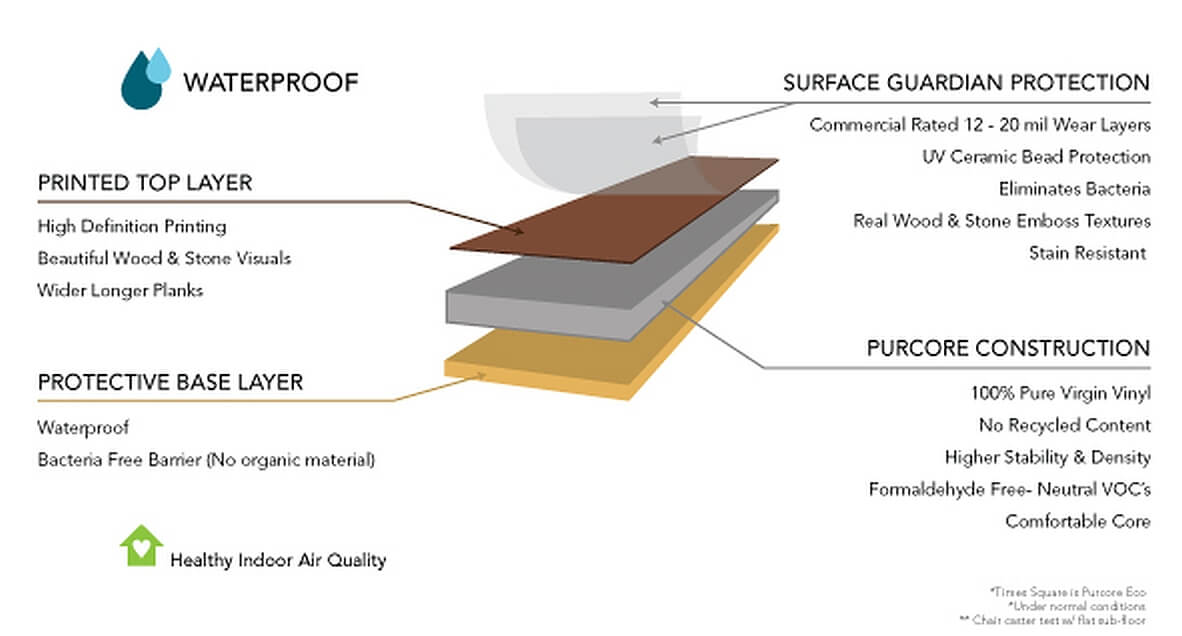
☑ Peel-and-Stick Vinyl Tiles: You can apply these directly over clean, flat, existing sheet vinyl. They are inexpensive, come in modern patterns, and offer a much tougher wear surface than paint.
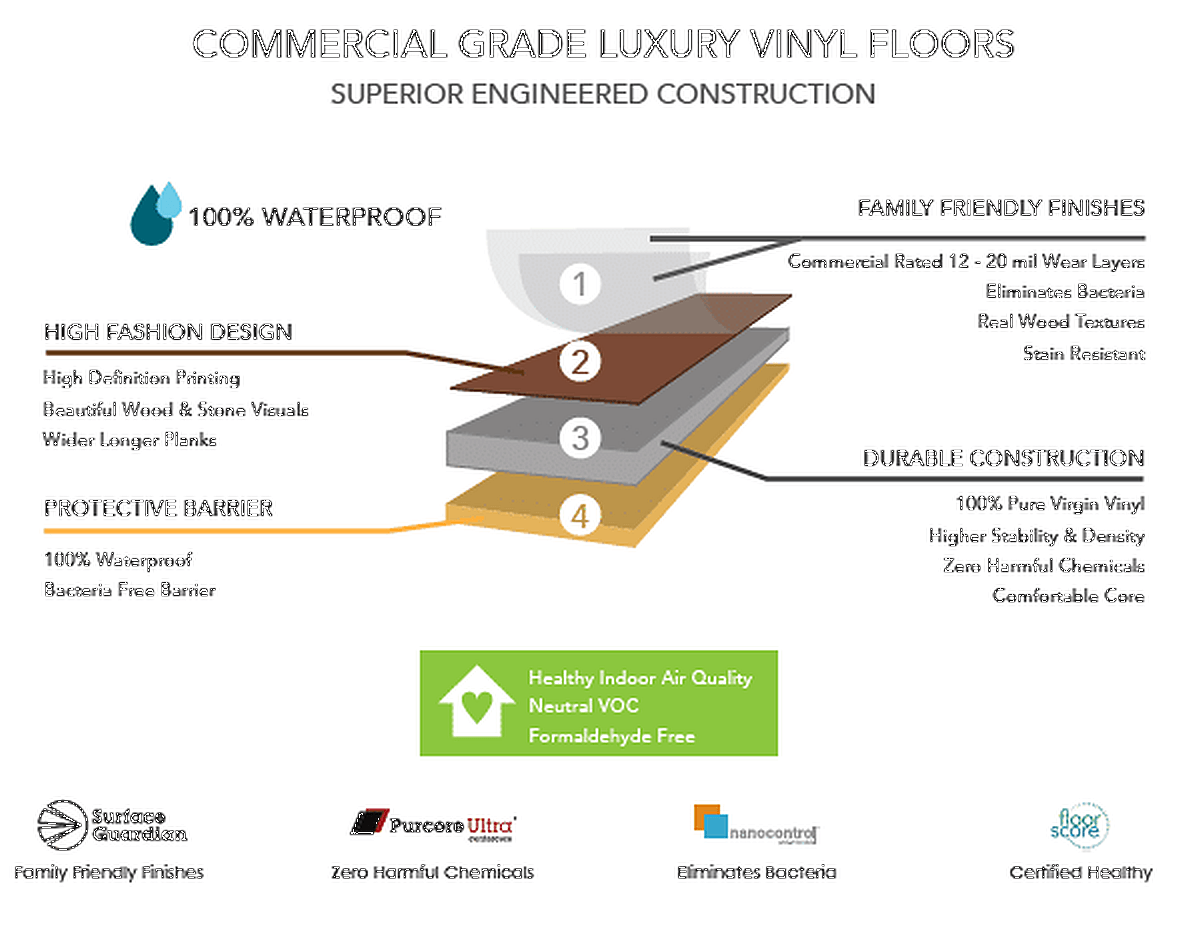
☑ Floating Luxury Vinyl Plank (LVP): Standard entry-level click-lock LVP can be purchased for as low as $2.00 per square foot. It can be installed directly over your old vinyl floor in a single weekend without any demolition.
✓ Extreme Cost Savings: Completely ripping out old sheet vinyl or LVP and installing new flooring can cost thousands of dollars. A couple of cans of specialized paint and primer cost under $100.
✓ Temporary Upgrade Before a Remodel: It is an ideal “stop-gap” solution if you hate your current floors but are saving up for a major kitchen or bathroom renovation a few years down the road.
✓ Total Creative Freedom: Painting allows you to use stencils to create intricate geometric patterns, faux-tile designs, or bold checkerboard styles that might be unavailable or too expensive in retail flooring.
✓ Fixing Discoloration: Vinyl flooring in older homes often turns an ugly, yellow hue due to UV sun exposure or chemical reactions with rubber-backed rugs. Paint completely masks the discoloration.
The Pros
⊚ Changes the entire look of a room in a single weekend.
⊚ Keeps old vinyl out of landfills temporarily.
⊚ Perfect for low-traffic areas like guest bathrooms, pantries, or walk-in closets.
The Cons
⊗ Prone to Chipping: Vinyl is a resilient, flexible material. Every time you walk on it, it micro-flexes, which causes rigid paint layers to eventually crack, chip, or flake off.
⊗ High Wear: Sliding a kitchen chair, heavy pet claws, or dropped toys will easily scratch right through the paint down to the old vinyl.
⊗ Not Waterproof: Unlike the original vinyl, water can seep through painted layers in bathrooms or kitchens, causing the paint to blister, peel, or trap mold.
1-Deep Clean: Scrub the floor with a heavy-duty degreaser like a TSP substitute to remove all embedded floor wax, oils, and grease.
2-De-gloss / Abrade: Lightly sand the entire floor with 150 to 220-grit sandpaper to scratch up the slick factory finish. This creates a microscopic “tooth” for the paint to latch onto.
3-Use a High-Bond Primer: Apply an advanced, extreme-adhesion bonding primer (such as a shellac or heavy oil-based primer) explicitly rated for glossy surfaces.
4-Use Floor-Rated Paint: Standard wall paint will fail instantly. You must use heavy-duty porch and floor enamel paint or specialized epoxy-based floor paint.
5-Seal It: Apply 2 to 3 coats of a heavy-duty, clear polyurethane floor sealer to serve as a sacrificial shield against scratches and footprints.
Are you considering painting a floor in a high-traffic room or a low-use space? The room type, will distinguish if a peel-and-stick tile overlay might be a better budget alternative!
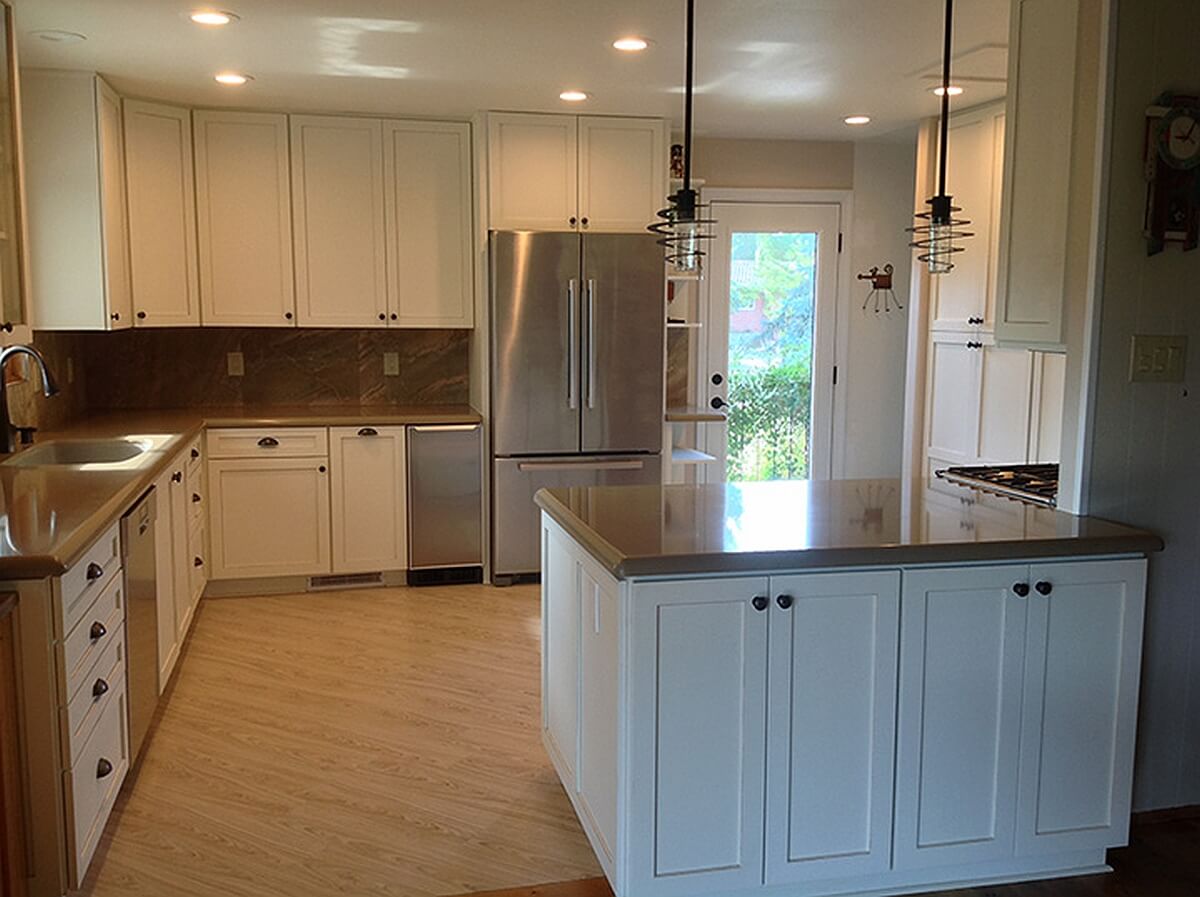
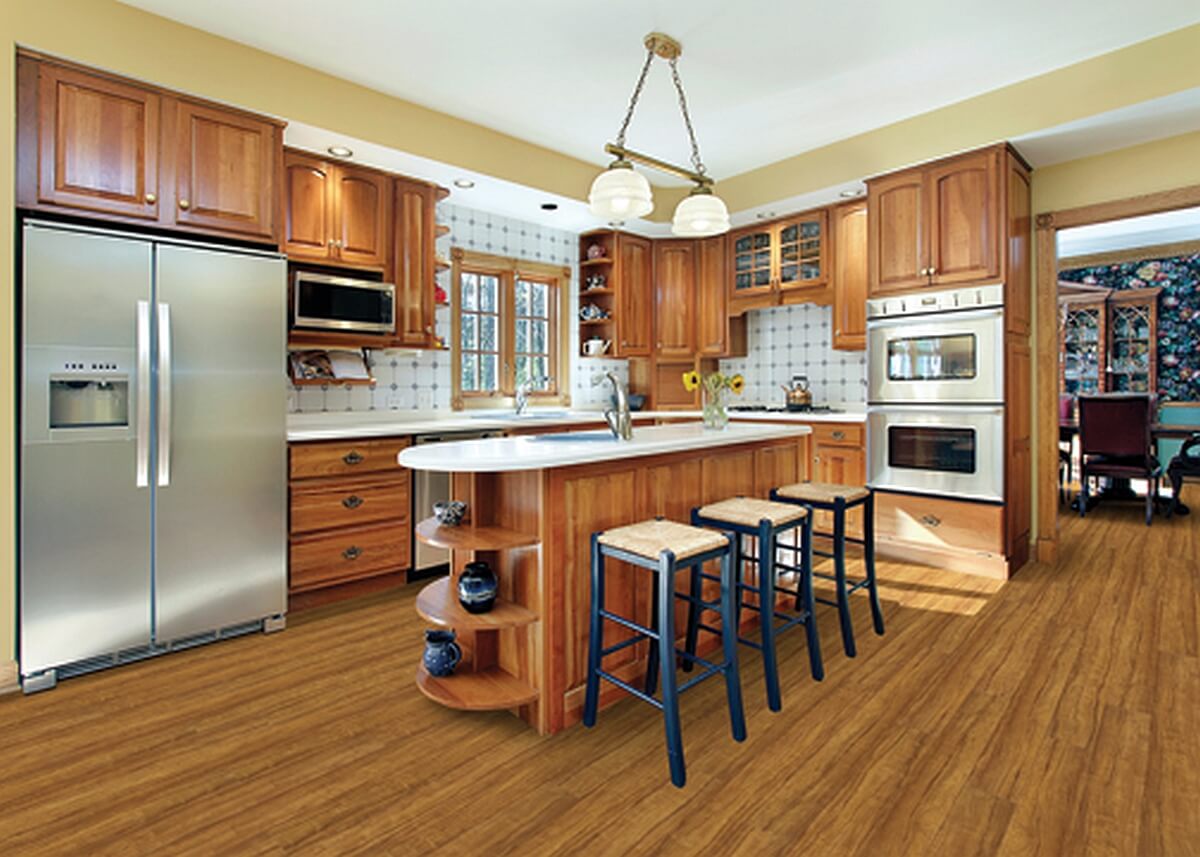
1. The "Urban Loft" Concrete Look (Highly Recommended)
-
- Floor Background: Charcoal or Slate Gray (matching the undertone of your walls).
- Accent/Stencil Color: Bright Silver, Platinum, or Chalk White.
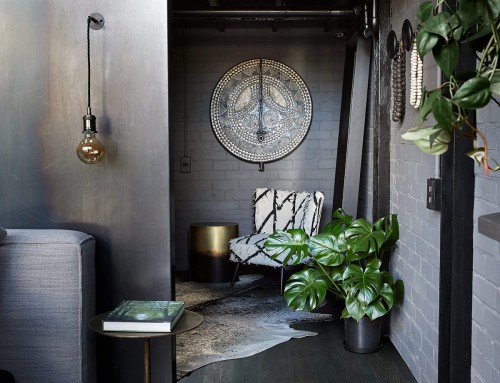
- Why it works: By using a large-scale, repeating geometric or cement-tile stencil in a bright white or silver over the dark gray base, you tie the floor and walls together structurally [1]. The bright accents pull light down to the floor, preventing the dark gray walls from feeling overwhelming.
2. The "Modern Tuxedo" Look
-
- Floor Background: Jet Black (Matte).
- Accent/Stencil Color: Pure Alabaster or Crisp White.
- Why it works: Black floors against dark gray walls look incredibly high-end and modern, but only if you break it up. Using a bold, high-contrast white stencil pattern over the black base creates a stunning canvas that makes the room look intentional and styled, rather than just dark.
3. The "Moody Jewel Box" Look
-
- Floor Background: Deep Midnight Navy.
- Accent/Stencil Color: Soft Dove Gray.
- Why it works: Navy blue pairs beautifully with dark gray walls. The blue undertone injects rich color into an otherwise sterile, monochrome room. Stenciling a soft dove gray over the navy ties the floor directly back into the gray walls while adding visual depth.
Crucial Lighting Tricks for Dark-on-Dark Rooms
-
- Brighten the Baseboards: Paint your trim and baseboards a stark, bright semi-gloss white. This creates a sharp visual boundary line that separates your dark gray walls from your dark floor, instantly framing the room.
- Upgrade to 4000K LED Bulbs: Dark rooms absorb light. Swap out yellow, dim incandescent bulbs for bright, crisp 4000K (Daylight or Cool White) LED bulbs to keep the space energized for the kids.
- Layer with Light Rugs: Place large, washable, light-colored area rugs (like cream or light silver) in the kids' play zones. This protects your painted floor from dog claws while breaking up the dark color palette.
Step 1: Deep Clean and De-grease (The Most Critical Step)
-
- What to use: Trisodium Phosphate (TSP) or a heavy-duty TSP-Substitute cleaner, a stiff-bristle scrubbing brush, and hot water.
- What to do: Scrub the entire floor aggressively on your hands and knees.
- Rinse: Rinse the floor with clean water at least three times to ensure zero soap residue remains. Allow it to dry completely for 24 hours.
Step 2: Sanding and Abrading
-
- What to use: 150-grit to 220-grit sandpaper attached to a pole sander (or a hand sander for corners).
- What to do: Lightly sand the entire floor until the surface looks dull and matte. You are not trying to sand through the vinyl, just removing the shine.
- Clean up: Vacuum every speck of dust, then wipe the floor down with a microfiber cloth lightly dampened with rubbing alcohol.
Step 3: Apply an Extreme-Adhesion Bonding Primer
-
- What to use: Insl-X Stix Waterborne Bonding Primer or Zinsser Bulls Eye 1-2-3 Plus.
- What to do: Apply one thin, even coat using a high-quality nylon/polyester brush for the edges and a 1/4-inch nap roller for the main floor.
- Cure time: Let the primer cure for a full 24 hours. Do not walk on it.
Step 4: Apply Floor-Grade Paint (2 Coats)
-
- What to use: A premium Porch & Floor Enamel (such as Sherwin-Williams Porch & Floor Enamel) or a multi-surface floor paint system like Rust-Oleum RockSolid Home Floor Paint.
- What to do: Roll on the first coat in thin, even layers. Let it dry according to the can instructions (usually 6 to 12 hours), then apply a second coat. If you want to use a stencil pattern, apply your stencil colors after the second base coat is fully dry.
Step 5: Seal with a Sacrificial Clear Coat
- What to use: A water-based, heavy-duty Polyurethane Floor Sealer in a satin or matte finish (avoid high-gloss, which highlights imperfections and scratches).
- What to do: Apply 2 to 3 thin coats of the sealer, allowing proper drying time between each coat.
Strict Rules for Post-Project Success
- The 7-Day Cure Rule: The floor will feel dry to the touch within 24 hours, but paint takes up to 7 to 14 days to fully chemically cure and harden. Keep your dogs out of the kitchen and basement, and walk only in socks (no shoes) for the first full week.
- Ditch the Wet Mop: You can no longer flood these floors with water or use harsh chemical cleaners like bleach. Clean them strictly with a damp microfiber cloth and a mild, pH-neutral cleaner.
Suggested Watch