Home Improvement Ideas That Boost Property Value
From Curb Appeal to Lived-in Comfort
I. Is there a positive return on property market value from home improvement expenditures over a 30-year period?
The short answer is yes, home improvements will increase the absolute market value of your property over 30 years—but they will almost never return 100% of what you spent on them.
It’s a simple trap to fall into, thinking that if you spend $100,000 on a variety of home improvements over the course of three decades, then the value of your home will increase by $100,000. In reality, the increase in home value over a long period is mostly due to the inflation of the value of the land (lot) and the market demand. The money you put into the house itself mainly acts as a buffer against physical depreciation.
To get a sense of how your renovation costs are going to compare to your property’s value over a 30-year period, let’s break this reality down into three different economic principles:
Home Improvement Ideas

I-1. The Depreciation Reality: “Cost vs. Value”
When you complete a home improvement project, it generates an immediate financial improvement. Industry benchmarks like the annual Cost vs. Value reports indicate that typical interior renovations, such as a major kitchen or bathroom overhaul, recover only about 60% to 80% of their cost in added market value upon completion.
This effect compounds over 30 years as interior trends and mechanical systems have a shelf life:
-
Years 1-5: The renovation is new, modern and adds peak value to the appraisal.
-
Year 15: The style becomes visually dated, and mechanical components (like appliances or water heaters) reach the end of their functional lifespan. The added market value from that initial cost drops significantly.
-
Year 30: A kitchen or bathroom remodeled 30 years ago is completely depreciated in the eyes of a modern buyer. To the market, it is now a “dated” space that will likely be torn out, meaning the monetary value added by that specific past expenditure has effectively hit zero.
Home Improvement Ideas


I-2. Maintenance Costs vs. Value Additions
Over 30 years, a massive portion of your home improvement budget will go toward cost of replacements rather than value-adding upgrades. It is critical to separate these two categories:
-
Maintenance (Preserves Value): Spending money on a new roof, a replacement HVAC system, structural repairs, or fixing a foundation does not double the value of your house. Buyers and appraisers expect these systems to work. Spending $15,000 on a new roof simply prevents your home’s value from plummeting due to water damage; it doesn’t make your house worth $15,000 more than a neighbor with a functioning roof.
-
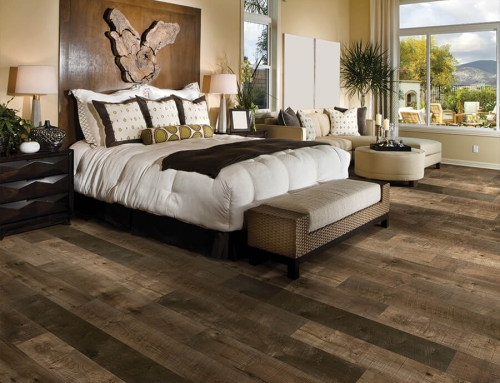
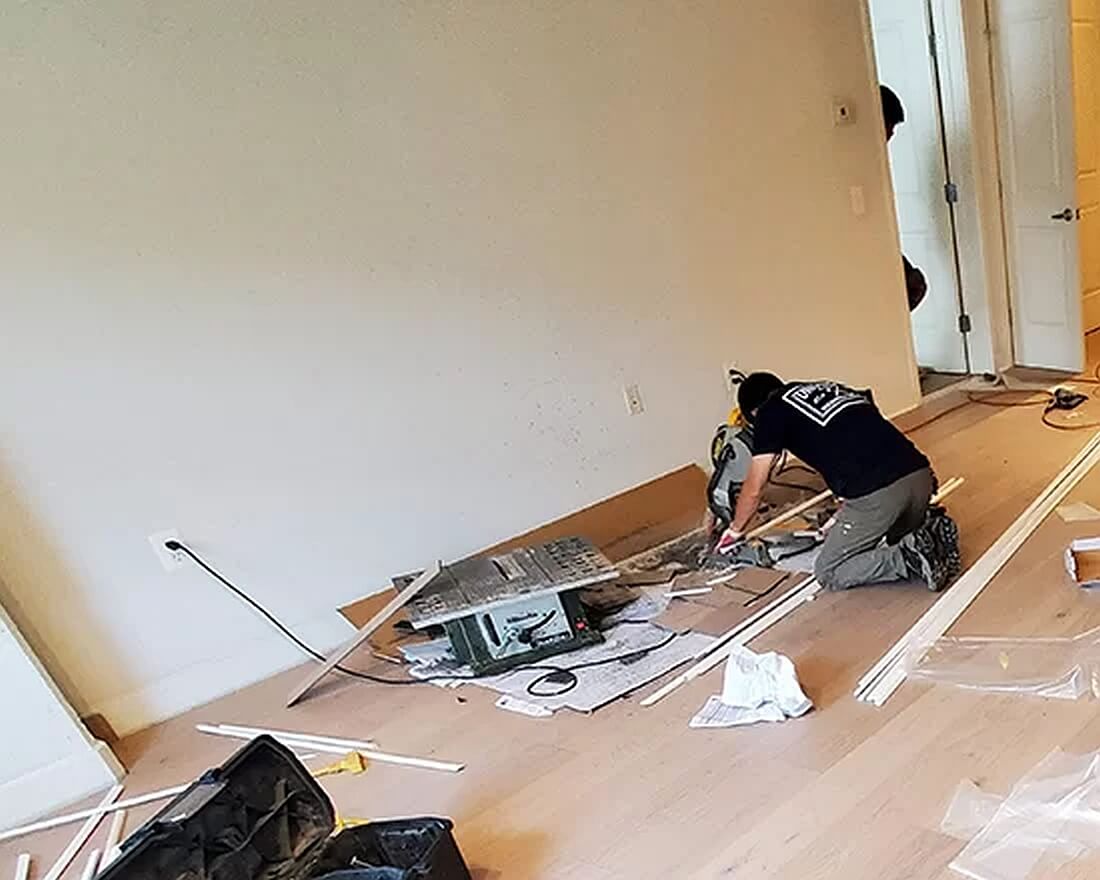
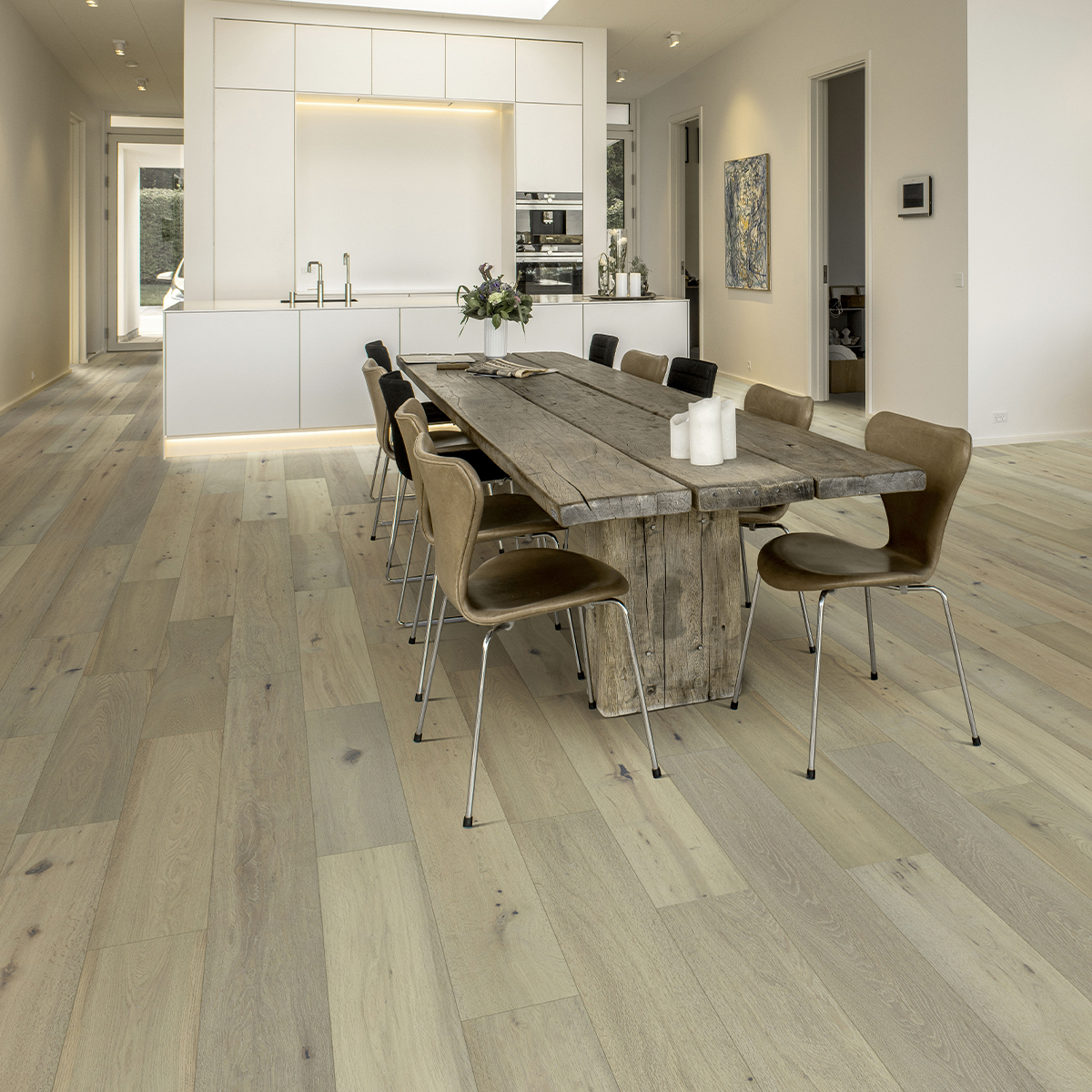
Capital Upgrades (Builds Value): Adding actual square footage (building an extra bedroom, finishing a basement, or building a high-end outdoor deck) or installing permanent premium structural materials (like high-quality engineered hardwood floors with thick wear layers) permanently changes the baseline vslue of the house. These are the improvements that stick with the property asset and continuously compound value.
Home Improvement Ideas


I-3. The Land Leverage Factor (House vs. Lot)
In a "house and lot" property, the two components appreciate and depreciate at completely opposite rates:
Total Property Value = Land Value Appreciation + Structure Value (Depreciates over time without intervention)
The True Role of Home Improvements: Your 30 years of home improvement costs are not a traditional investment meant to generate a direct cash profit. Instead, they serve to slow down the natural depreciation of the structure, keeping the building's quality high enough to perfectly match and leverage the soaring value of the land underneath it.
I-4. The Ultimate 30-Year Strategy
If your goal is to maximize the market value of your property while spending money on it over the next three decades, focus your budget on three specific areas:
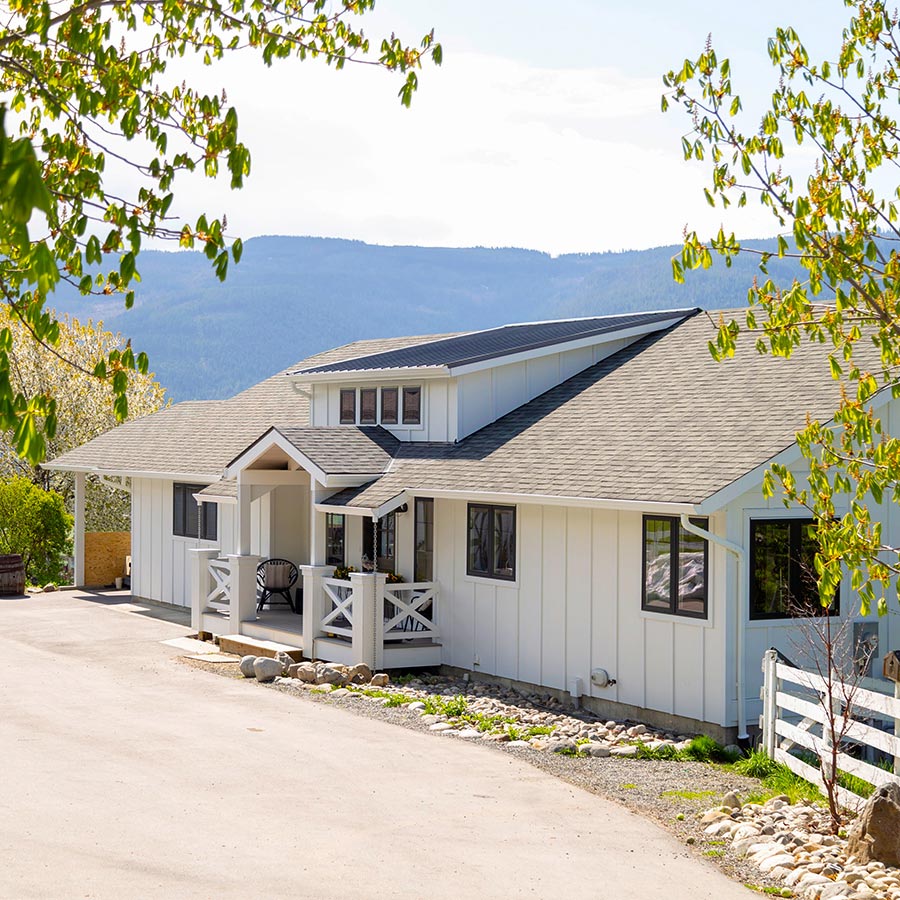
✓ Curb Appeal and Envelope Protection: Keep the roof, siding, and structural elements clean and looking good. A house that looks structurally pristine from the street always commands a market premium.
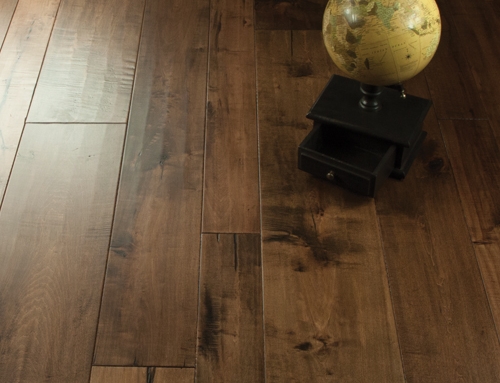
✓ Permanent, High-Quality Materials: Choose timeless finishes that do not date quickly and can be restored rather than being replaced —such as real wood flooring, natural stone, and classic architectural improvisations.
✓ Square Footage: Whenever possible, direct improvement capital toward increasing the usable, livable footprint of the home. Extra space never goes out of style
II. Which specific home projects yield the highest immediate ROI?
According to recent real estate data and standard cost versus value industry metrics, the home improvement projects that yield the highest immediate Return on Investment (ROI) generally focus on two categories: exterior curb appeal and high-demand functional upgrades.
Remarkably, the projects that recoup the most money are rarely the most glamorous interior remodels. Instead, they are the practical structural upgrades that immediately catch a buyer’s eye or provide absolute peace of mind regarding the home’s value in the years to come.
Here is a breakdown of the top-performing projects based on an average immediate cost recovery when sold:
Home Improvement Ideas

II-1. Exterior Curb Appeal (Highest Overall ROI)
Projects that improve the visual first impression of a house routinely score the highest ROI, often netting close to—or even exceeding—a 100% return on the investment.
-
Garage Door Replacement (95% to 100%+ ROI): Swapping out an old, dented, or dated garage door for a modern, high-tensile insulated model consistently tops the charts. It completely alters the front elevation of the house for a relatively low upfront cost.
-
Manufactured Stone Veneer (90% to 95% ROI): Replacing vinyl or wood siding on a portion of the home’s facade (like the entryway) with stone veneer adds immediate architectural depth and perceived luxury value.
-
Grand Entryway / Front Door Upgrades (85% to 90% ROI): Installing a heavy-duty, energy-efficient steel or premium fiberglass entry door yields a massive return. It signals security and quality the moment a buyer walks up to the house.
Home Improvement Ideas


II-2. Low-Cost, High-Impact Interior Improvements
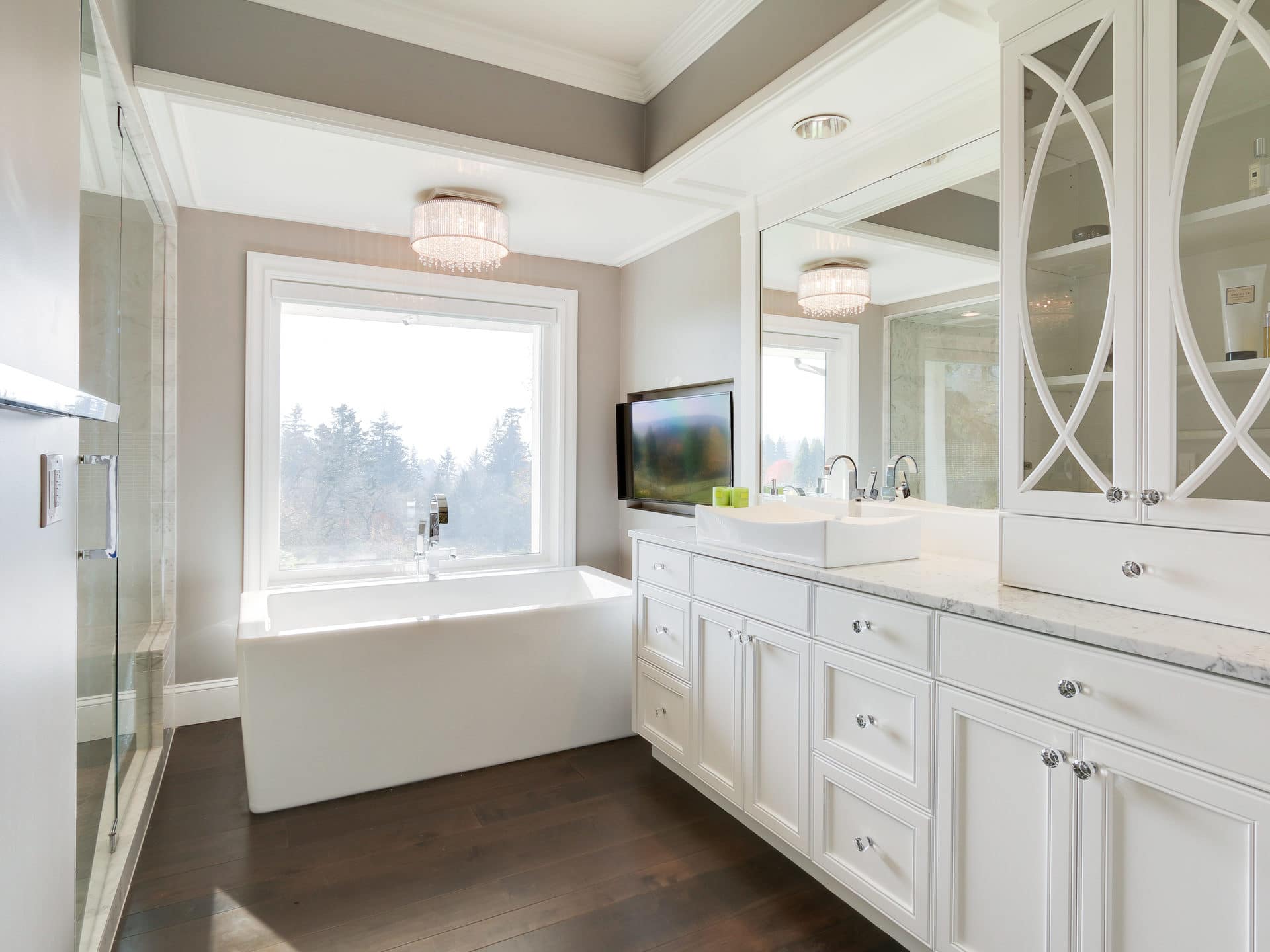
When it comes to the interior of the home, minor cosmetic overhauls vastly outperform major, high-end structural tear-outs.
-
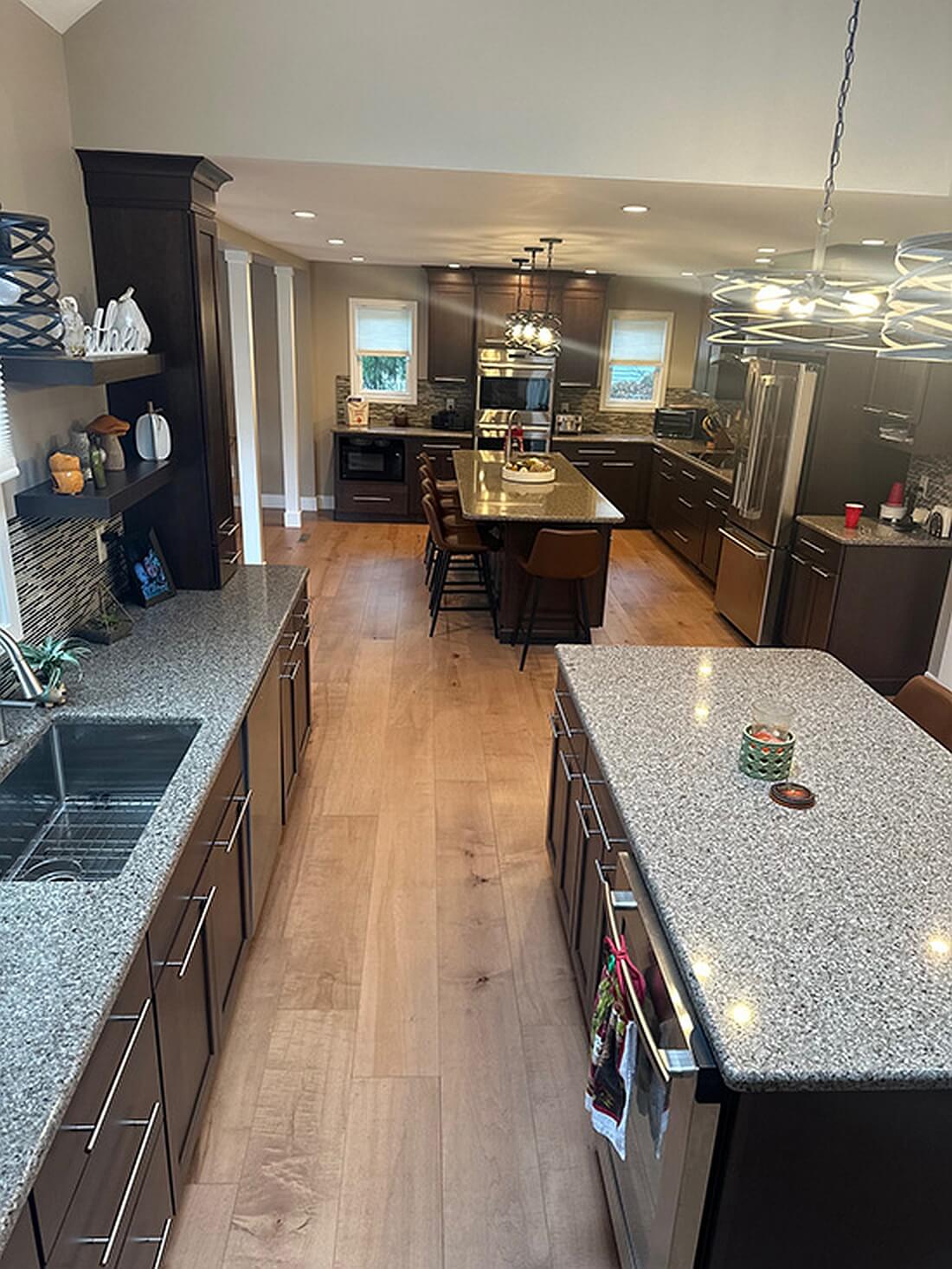
Minor Kitchen Remodel (75% to 85% ROI): Refacing existing cabinet frames, installing new hardware, updating the countertops, and replacing dated appliances yields a significantly higher percentage return than a massive, six-figure custom layout overhaul. A major gourmet kitchen remodel typically only recaptures 50% to 60% of its cost.
-
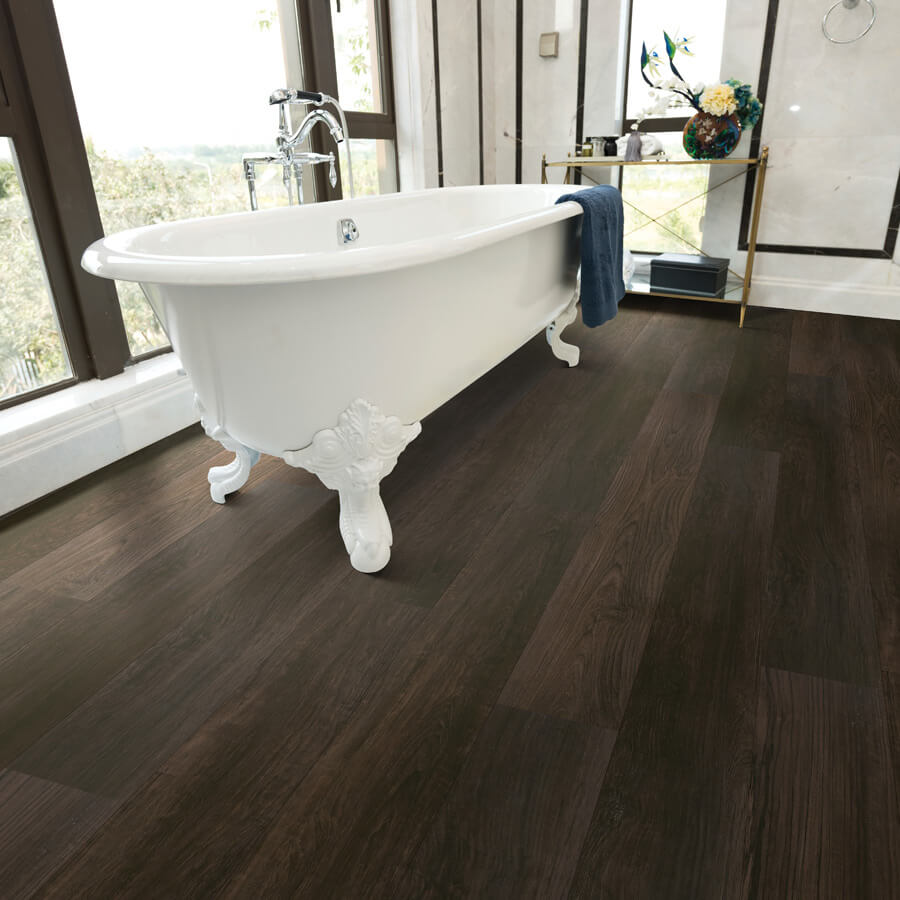
Hardwood Floor Refinishing (80% to 100%+ ROI): If a home already features solid or high-quality engineered wood floors, paying to sand, seal, and stain them right before going to market frequently recovers its entire cost. Buyers love the look of fresh, pristine wood floors and appreciate not having to do the work themselves. The “Golden Rule” of Remodeling for Profit
If you are updating your home with the sole intention of maximizing your sale price, keep the 10% Rule in mind:
The 10% Rule: Avoid upgrading any single room to a level where its value exceeds 10% of the total current market value of your home. For example, putting a $60,000 professional chef’s kitchen into a home worth $300,000 creates an “over-improvement.” The neighborhood market will cap what buyers are willing to pay, ensuring you lose a massive chunk of that investment.
Keep your upgrades classic, focus heavily on the exterior presentation, and prioritize timeless structural materials over trendy, hyper-stylized decorations to secure the highest possible return on your money.
II-3. Necessary Mechanical Upgrades
While mechanical updates are technically considered home maintenance, doing them right before listing the property eliminates friction for the buyer and protects your asking price from being aggressively negotiated down.
-
HVAC Replacement (70% to 85% ROI): Installing a brand-new, energy-efficient heating and cooling system is a massive selling point. Buyers are highly sensitive to the threat of a system failing right after they move in.
-
Roof Replacement (60% to 70% ROI): While expensive, a new roof protects the entire asset. A home with an aging, failing roof will often sit on the market or face massive price drops, making a pre-sale roof replacement a smart defensive equity play.
III. The “Golden Rule” of Remodeling for Profit
If you are updating your home with the sole intention of maximizing your sale price, keep the 10% Rule in mind:
The 10% Rule: Avoid upgrading any single room to a level where its value exceeds 10% of the total current market value of your home. For example, putting a $60,000 professional chef’s kitchen into a home worth $300,000 creates an “over-improvement.” The neighborhood market will cap what buyers are willing to pay, ensuring you lose a massive chunk of that investment.
Keep your upgrades classic, focus heavily on the exterior presentation, and prioritize timeless structural materials over trendy, hyper-stylized decorations to secure the highest possible return on your money.
Suggested Videos