Finding the Most Durable
Wood Flooring
Balancing Strength, Style, and Longevity
Durable Wood Flooring: Engineered for Life, Crafted for Living.
Finding the most durable wood flooring for your home requires looking beyond surface-level aesthetics and diving into the structural reality of how different woods handle daily wear and tear. A smart choice begins with understanding the Janka hardness scale, a standard measurement that determines a wood species’ resistance to denting and scratching by measuring the force required to embed a small steel ball into the wood. Domestic champions like hickory and white oak naturally sit high on this scale, offering excellent resistance to the daily scuffs of busy household traffic, while exotic imports like Brazilian cherry provide even higher density for maximum impact protection. Here are four important points to consider in the search for the perfect floor:
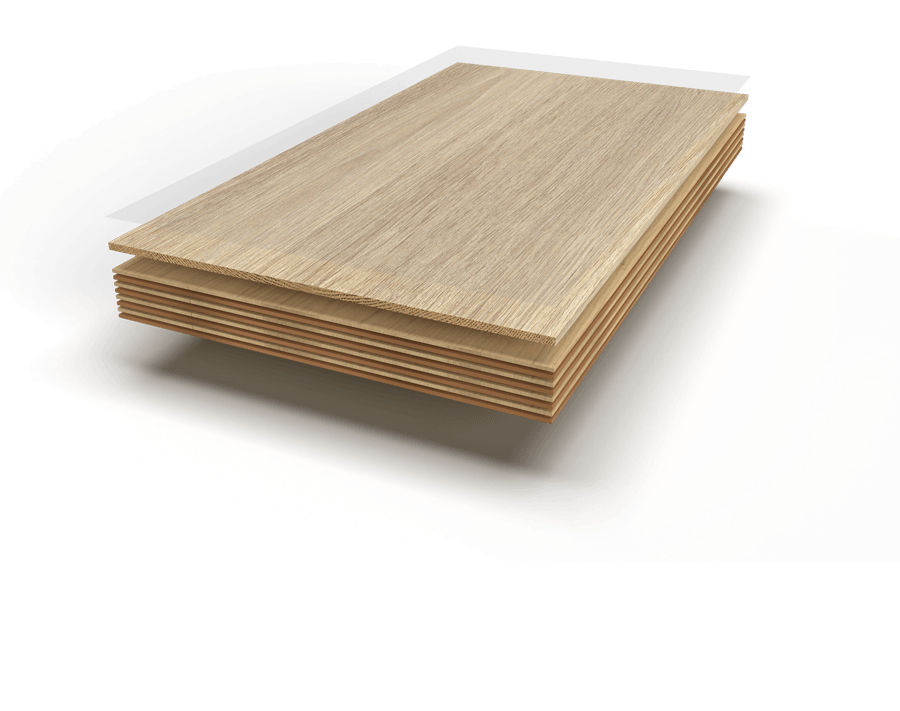
1) Raw hardness is only half of the durability.
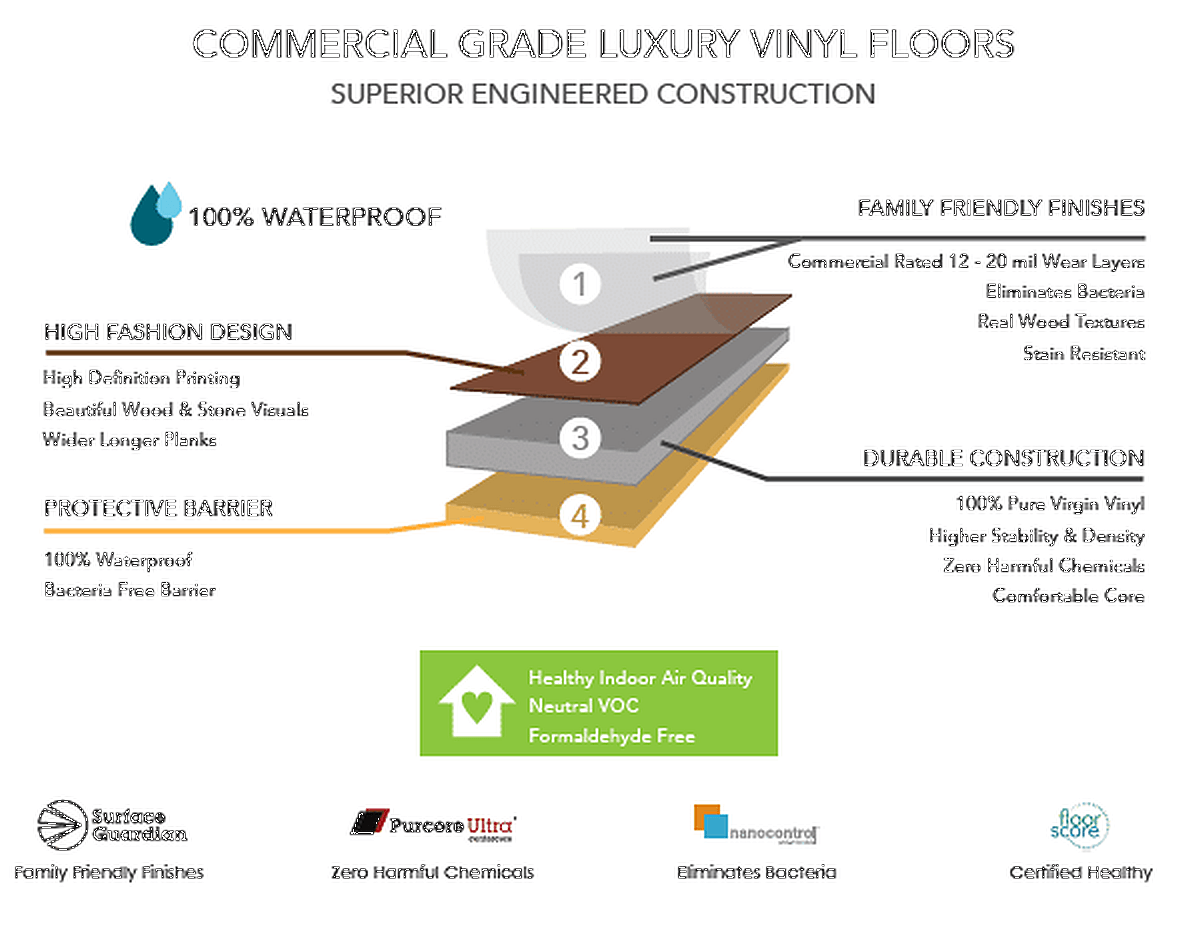
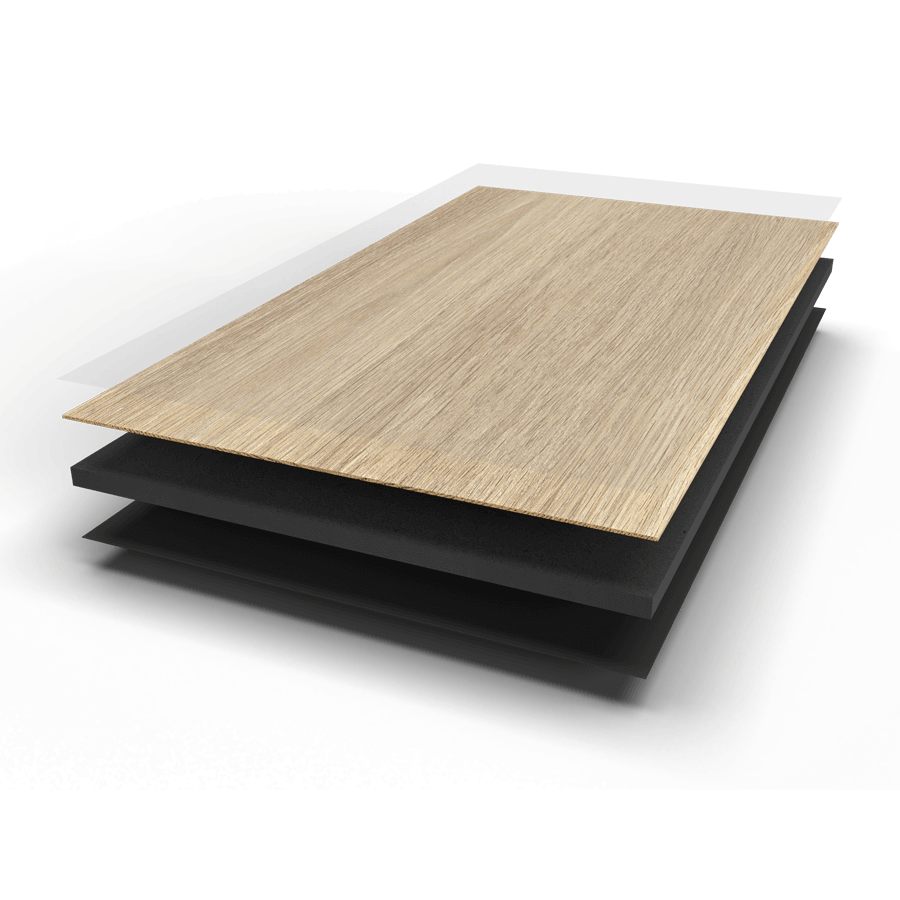
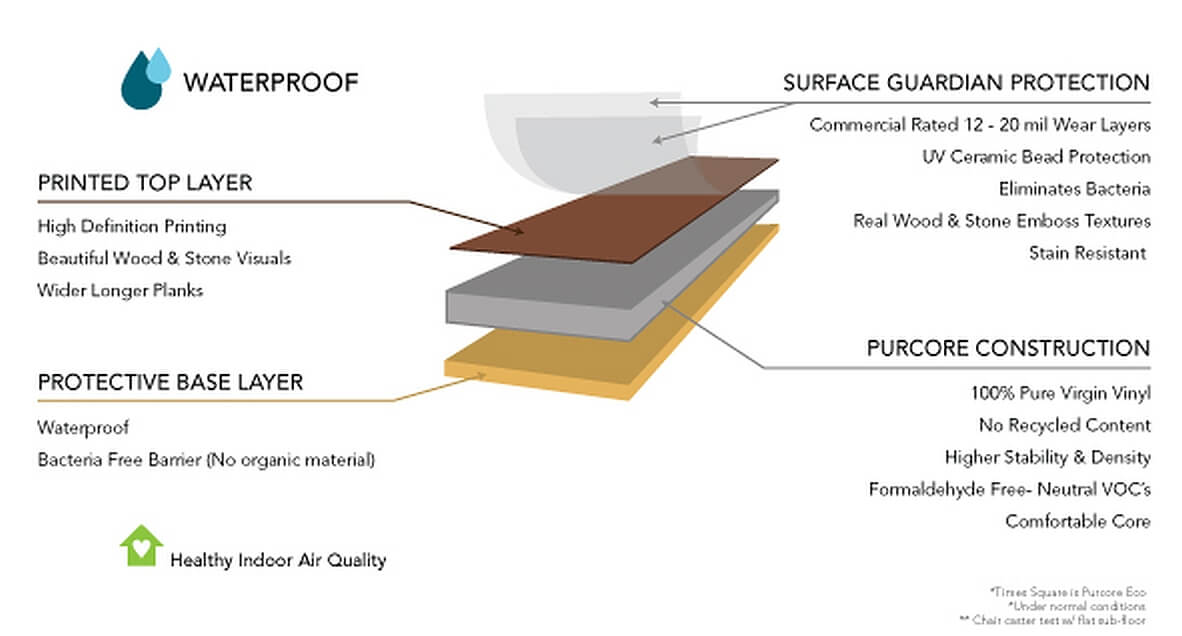
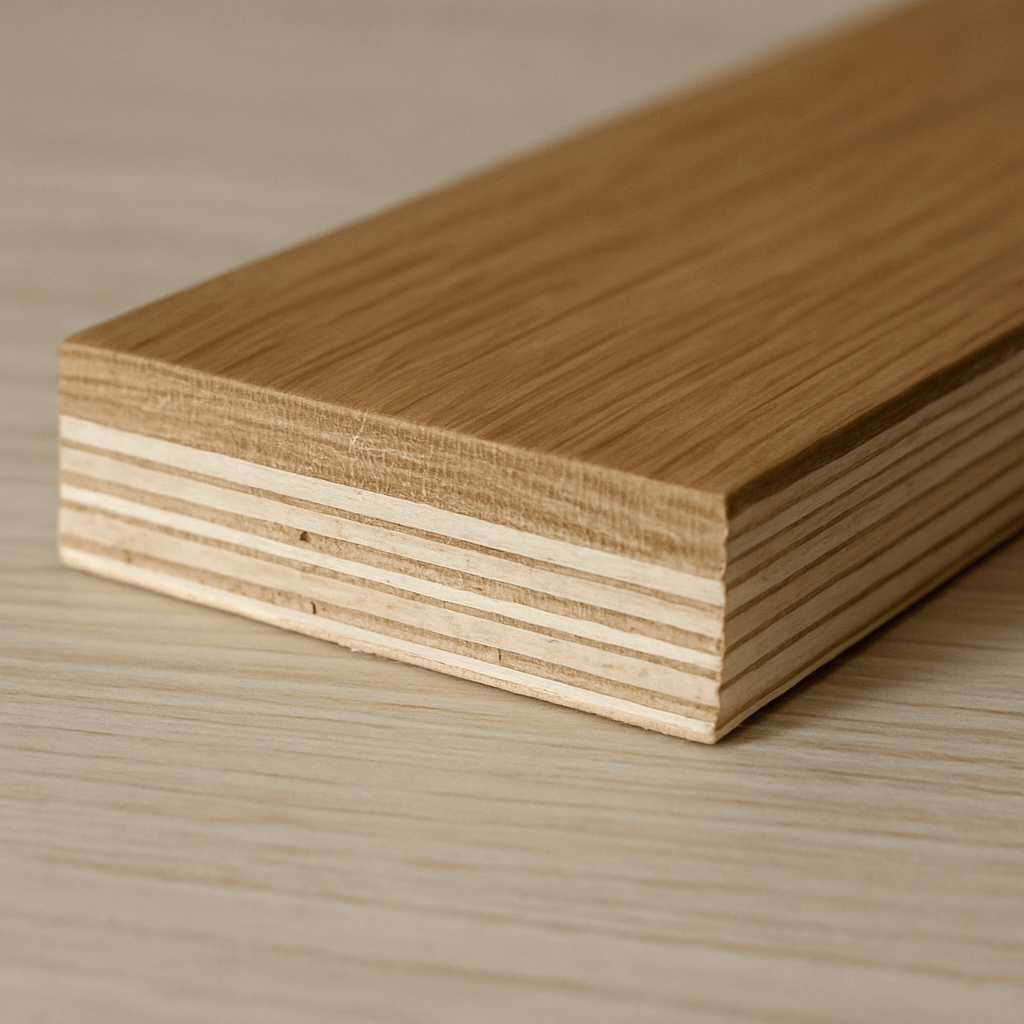
However, raw hardness is only half of the durability equation; the architectural construction of the flooring and its protective finish play an equally vital role. Engineered hardwood, which stacks multiple layers of wood in opposing directions beneath a top veneer, offers superior dimensional stability compared to solid wood planks, meaning it is significantly less likely to warp, cup, or gap when exposed to seasonal humidity shifts and moisture. When selecting engineered planks, inspecting the thickness of the top wear layer is critical, as a thicker wear layer ensures the floor can be sanded and refinished in future decades rather than needing a total replacement when the surface eventually wears down.


2) The ultimate line of defense.
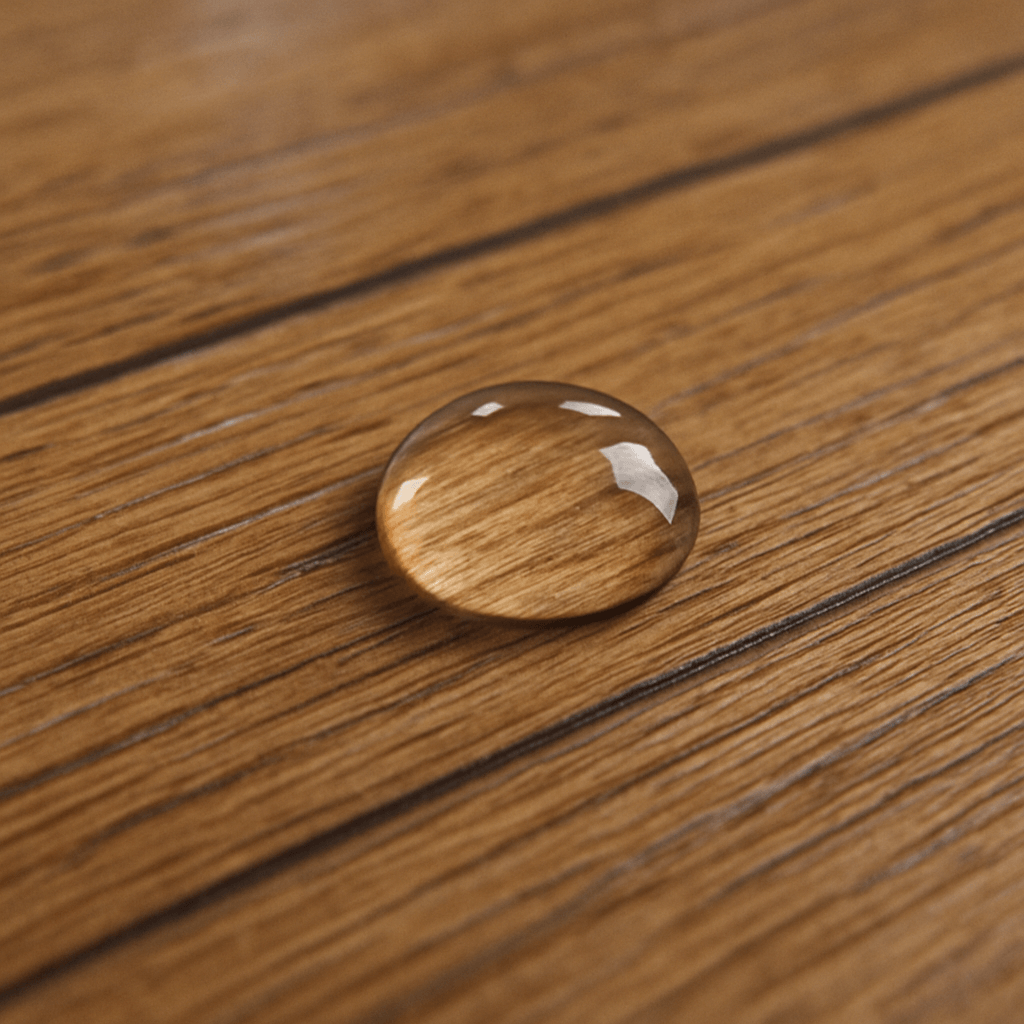
The ultimate line of defense for any durable wood flooring is its finish, which acts as a shield against spills and abrasions. Modern polyurethane finishes infused with aluminum oxide offer incredible surface scratch resistance and require very little day-to-day upkeep, making them excellent for maintaining a pristine look. Alternatively, a high-quality oil or natural oil hybrid finish penetrates deep into the wood grain rather than sitting on top of it, creating a matte, organic appearance that elegantly hides micro-scratches and allows for easy, localized touch-ups without requiring the entire room to be sanded down. By balancing the natural hardness of the wood species with a structurally stable plank design and a finish tailored to your maintenance style, you can secure a floor that retains its integrity and visual warmth through years of active living.


3) These principles in practice.
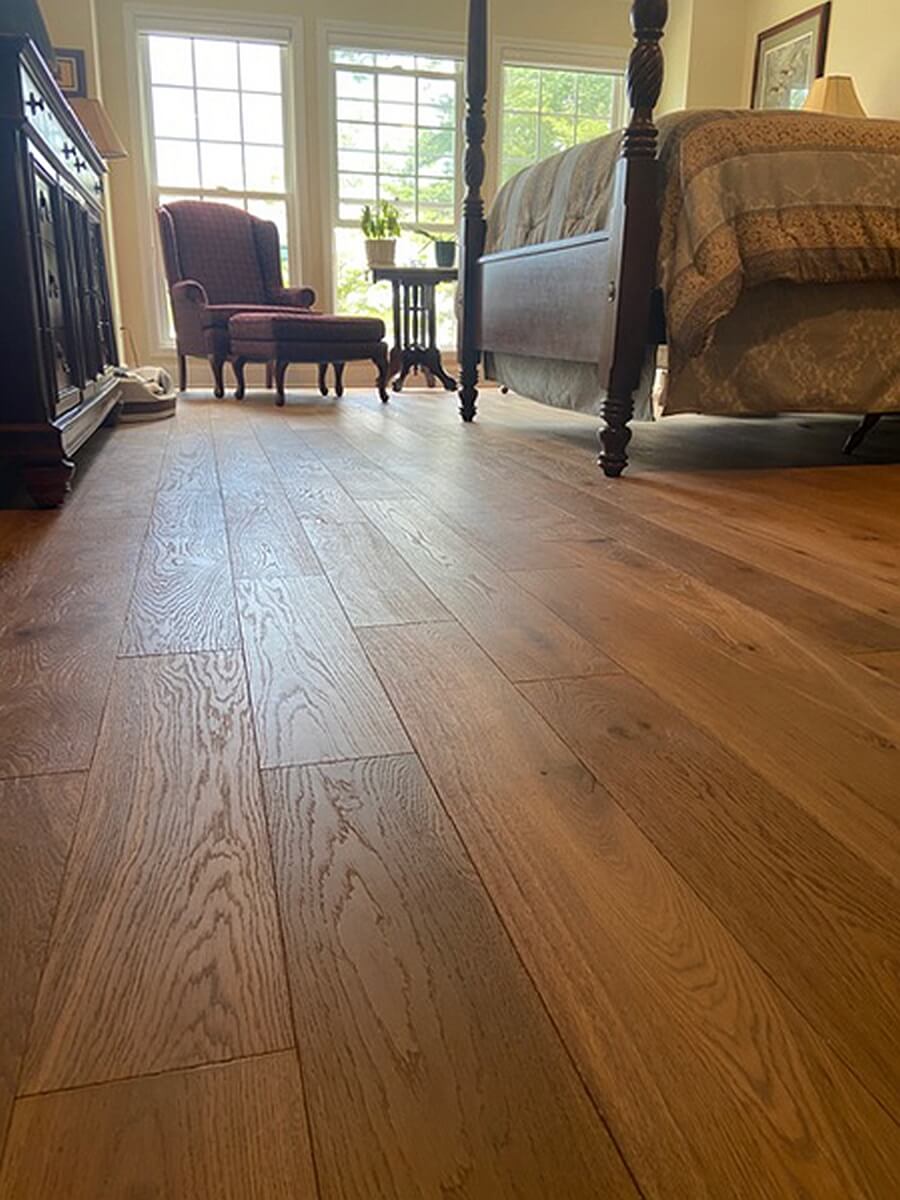
To see these principles in practice, looking at specific products on the market highlights how different engineering choices impact real-world durability. Within the Hallmark Floors lineup, the Alta Vista Collection showcases a historic, European white oak design built with a substantial slice-cut wear layer and finished with a unique oil system that excels at camouflaging everyday micro-scratches while allowing for easy spot repair. For a cleaner, more minimal design that balances contemporary styling with heavy-duty structural integrity, the Hallmark Serenity Collection uses high-grade white oak engineered planks to provide an incredibly stable foundation that resists the warping and cupping caused by environmental moisture shifts. Homeowners seeking maximum dent protection often turn to the Hallmark Ventura Collection, which utilizes naturally tough domestic hickory and maple alongside oak, offering a hand-applied wire-brushed texture that physically masks the inevitable dents and scrapes of an active household.
4) Expanding your search.
Expanding your search beyond a single manufacturer reveals how other industry leaders approach the challenge of high-traffic wear. For a premier non-Hallmark alternative, the Anderson Tuftex Imperial Pecan line leverages a multi-ply, cross-locked plywood core designed specifically to combat shifting humidity levels, pairing the innate hardness of pecan wood with an advanced ultra-finish topcoat to resist deep abrasions. Another exceptional choice outside the brand is the Lauzon Ambiance Collection, which features a robust Canadian maple or red oak composition coated in a specialized titanium finish that not only provides superior scratch resistance but also incorporates specialized technology to actively improve indoor air quality over time. Evaluating these specific collections against your household’s daily traffic patterns will lead you directly to a durable wood flooring solution that balances architectural elegance with rugged, everyday resilience.

Estimated Lifespan of Wood Flooring
When calculating the long-term value of a home renovation, understanding the durable wood flooring lifespan statistics is essential. Unlike short-term options like carpet or laminate, real wood flooring functions as a structural investment that can perform for decades—and in some cases, centuries—depending entirely on its construction, wear layer, and maintenance schedule.
✓ Benchmark Lifespan Expectations
The predictable service life of a durable wood floorng splits dramatically between solid and engineered structures.
-
Solid Hardwood Flooring: 75 to 100+ years
Solid planks are milled from a single piece of timber, typically 3/4-inch thick. Because the wood is uniform all the way through, it possesses the greatest theoretical longevity and can be fully sanded and refinished 4 to 10 times over its existence.
-
Engineered Hardwood Flooring: 20 to 50 years
Engineered flooring features a real wood veneer bonded over a multi-ply composite core. While it cannot be sanded indefinitely, its structural cross-ply design makes it vastly superior at resisting the environmental warping, cupping, and gapping caused by seasonal humidity shifts.
✓ Lifespan vs. Alternative Materials
To put wood’s durability into perspective, consider how it stacks up against non-wood alternatives under normal residential traffic:
| Flooring Material | Average Useful Lifespan | Refinishing Potential |
| Solid Hardwood | 75 – 100+ Years | 4 – 10 Times |
| Engineered Hardwood | 20 – 50 Years | 1 – 3 Times (Veneer dependent) |
| Luxury Vinyl Plank (LVP) | 10 – 25 Years | None (Requires replacement) |
| Laminate | 10 – 20 Years | None (Requires replacement) |
| Residential Carpet | 5 – 15 Years | None (Requires replacement) |
✓ The Wear Layer Lifespan Math
For engineered hardwood, the true determinant of lifespan isn’t the overall plank thickness—it is the millimeter thickness of the top precious wood veneer (the wear layer). This layer dictates how many times a floor can survive a full sand-and-refinish cycle to erase deep scratches or pet damage.
Industry data shows that homeowners typically choose to refresh or fully refinish their wood floors every 10 to 15 years. Based on that real-world maintenance cycle, lifespan scales directly with the wear layer:
-
1mm to 2mm Wear Layer: 10 to 20 years. These budget-conscious layers are too thin to be safely sanded with a heavy drum sander without melting the adhesive underneath or exposing the plywood core. Their lifespan is fixed by the durability of their factory topcoat.
-
3mm Wear Layer: 20 to 30 years. A 3mm wear layer provides enough material thickness to withstand 1 full professional sand and refinish over its lifespan, effectively doubling its clean cosmetic life.
-
4mm Wear Layer: 30 to 45 years. This premium thickness comfortably accommodates 2 full refinishing cycles over several decades.
-
6mm+ Wear Layer: 50 to 80+ years. Found on ultra-premium or heavy-duty commercial-grade engineered planks, a 6mm wear layer can be sanded 3 to 5 times, yielding a lifetime performance that closely rivals solid wood while maintaining superior structural stability.
✓ Maintenance Statistics that Multiply Lifespan
A wood floor rarely fails because the wood itself disintegrates; it fails early due to finish neglect or unmanaged moisture. Incorporating a proactive maintenance schedule alters the degradation curve significantly.
-
The 3-to-5-Year Buff (Screen and Recoat): Rather than waiting for scratches to penetrate down into the raw wood grain, performing a light surface abrasion and applying a fresh topcoat of polyurethane every 3 to 5 years preserves the factory seal. This maintenance task costs a fraction of a full refinish and can extend the life of an engineered or solid floor indefinitely without ever wearing down the wood layer.
-
Relative Humidity Thresholds: Wood performs optimally when indoor relative humidity is strictly maintained between 35% and 55%. Dropping below this range causes wood to contract, risking split seams; climbing above it forces expansion, leading to structural cupping.
Investing in wood flooring—especially premium engineered options featuring thick wear layers and robust core architectures—drastically reduces the lifetime cost of a home by breaking the costly 10-year removal and replacement cycle common to synthetic alternatives.


Lifetime cost and ROI over a 30-year period.
Comparison between (1) High-Quality Engineered Hardwood and ( 2 ) Luxury Vinyl Plank Flooring.
When evaluating the long-term financial impact of home renovations, a 30-year outlook provides the truest picture of flooring value. While Luxury Vinyl Plank (LVP) is often celebrated for its low upfront price tag, its inability to be refinished alters its financial trajectory over a multi-decade timeline.
Below is a comprehensive cost and Return on Investment (ROI) breakdown comparing a high-quality engineered hardwood (featuring a durable 4mm+ wear layer) against a premium, commercial-grade LVP in a standard 1,000-square-foot residential installation.
☑ 30-Year Cumulative Cost Breakdown
The financial lifecycles of these two durable wood flooring materials move in opposite directions: engineered wood carries a high initial cost but minimal mid-life expenses, whereas LVP requires complete replacement cycles that compound material and labor costs over time.
High-Quality Engineered Hardwood (4mm+ Wear Layer)
-
Initial Material Cost: $9.00 to $14.00 per sq. ft. ()
-
Initial Labor/Installation: $5.00 to $8.00 per sq. ft. ()
-
Year 12 (Maintenance): Professional sand and refinish at $5.00 per sq. ft. ()
-
Year 24 (Maintenance): Light screen and recoat (topcoat refresh) at $2.50 per sq. ft. ()
-
Total 30-Year Investment: $21,500 to $29,500
Premium Luxury Vinyl Plank (LVP)
-
Initial Material Cost: $4.50 to $6.50 per sq. ft. ()
-
Initial Labor/Installation: $3.00 to $5.00 per sq. ft. ()
-
Year 15 (Full Replacement): Even high-end LVP faces locking-mechanism fatigue, deep scratching, or aesthetic dating by year 15.
-
Rip-out and disposal labor: $2.00 per sq. ft. ()
-
New LVP materials (adjusted for mild inflation): $5.50 per sq. ft. ()
-
Re-installation labor: $4.00 per sq. ft. ()
-
-
Total 30-Year Investment: $19,000 to $22,000
The Cost Verdict: While LVP remains roughly $2,500 to $7,500 cheaper in pure cash outlay over 30 years, it requires living through a disruptive, dusty construction zone midway through its life to tear out and replace the entire floor. Meanwhile, the engineered wood is only halfway through its total useful lifespan at Year 30.
☑ Real Estate ROI and Resale Value
30-YEAR VALUE ACCRUAL (1,000 Sq. Ft.)

Engineered Wood: [██████████████████████████████] Equity Added: 70% - 80% of Cost
Luxury Vinyl:   [██████████░░░░░░░░░░░░░░░░░░░░] Equity Added: Negligible / Depreciated
Engineered Hardwood ROI: 70% to 80%
Real wood is universally classified by appraisers as a permanent structural asset.
-
Home Equity: A high-quality engineered hardwood floor immediately boosts a home’s appraised value, recovering up to 80% of its installation cost in equity.
-
Buyer Preference: Real estate data consistently shows that homes with real wood floors sell up to 2.5% faster and attract higher bidding premiums because buyers recognize they will not need to replace the flooring for decades.
Luxury Vinyl Plank ROI: Negligible to Low
LVP is treated as a depreciating asset, functionally similar to carpet or laminate.
-
Home Equity: While clean, modern LVP helps a home sell faster than stained carpet, it rarely triggers a higher appraised home value.
-
The 30-Year Reality: If you sell your home in Year 12, an LVP floor is nearing the end of its aesthetic life and a buyer will likely discount their offer expecting to replace it. Conversely, an engineered durable wood flooring at Year 12 can be sanded and stained a completely different color to match prevailing design trends, presenting as brand-new to a buyer.
☑ Technical Performance Trade-offs
For an ordinary homeowner evaluating the long-term economics, premium engineered hardwood represents a superior vehicle for protecting home equity. If the upfront budget allows for the initial investment, wood pays dividends in daily comfort, environmental sustainability, and a lack of forced replacement cycles—ultimately yielding a significantly higher net return by Year 30.
Suggested Videos