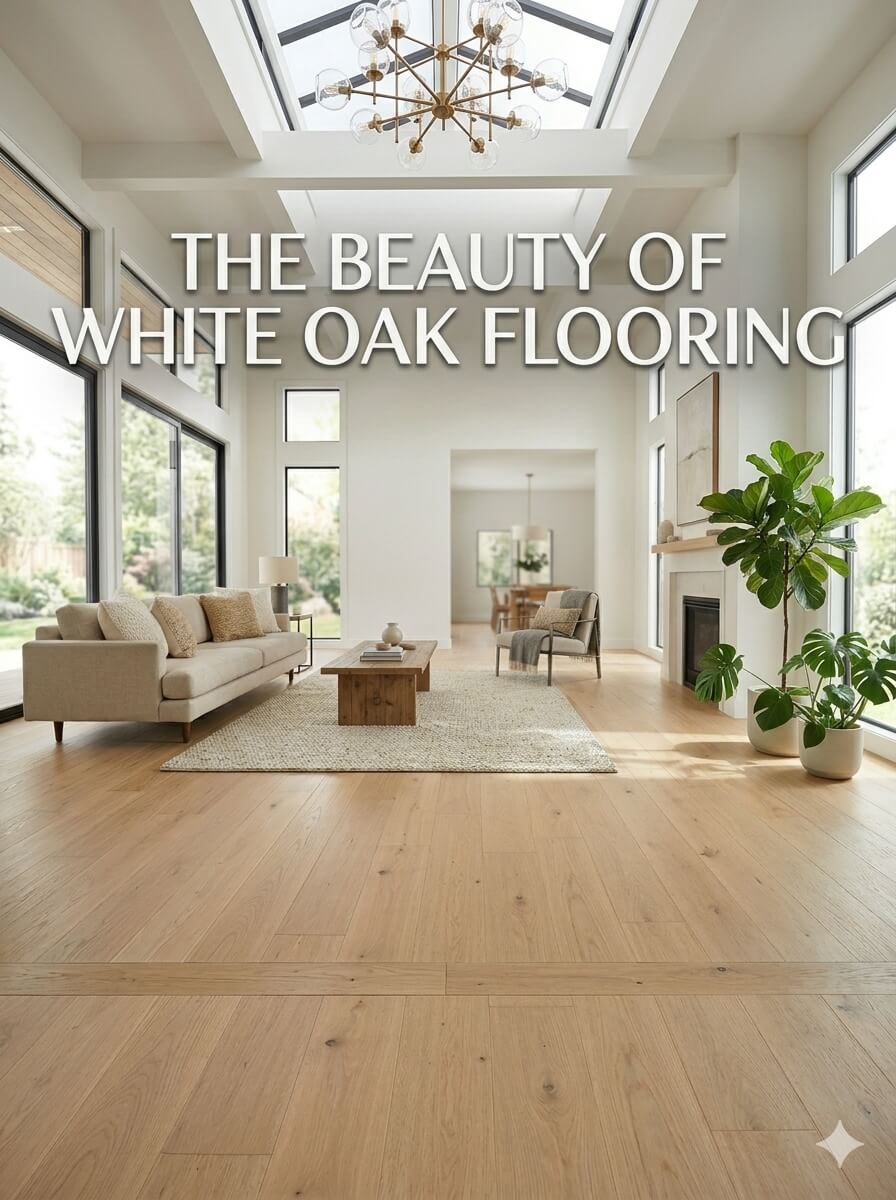
White Oak Hardwood Floors: Crisp, Clean, Modern
The Secret to a Clean, Beautiful Home
When it comes to remodeling a home, few decisions have a greater visual and functional impact than choosing your flooring. It sets the foundational tone for your entire interior design. If your goal is to create a space that feels open, airy, and effortlessly sophisticated, white oak hardwood flooring stands out as a premier choice.
Far from being just a passing trend, White Oak has become the darling of modern homeowners and interior designers alike. Let’s break down exactly what makes this hardwood variety a clean, bright, and beautiful choice for your home.
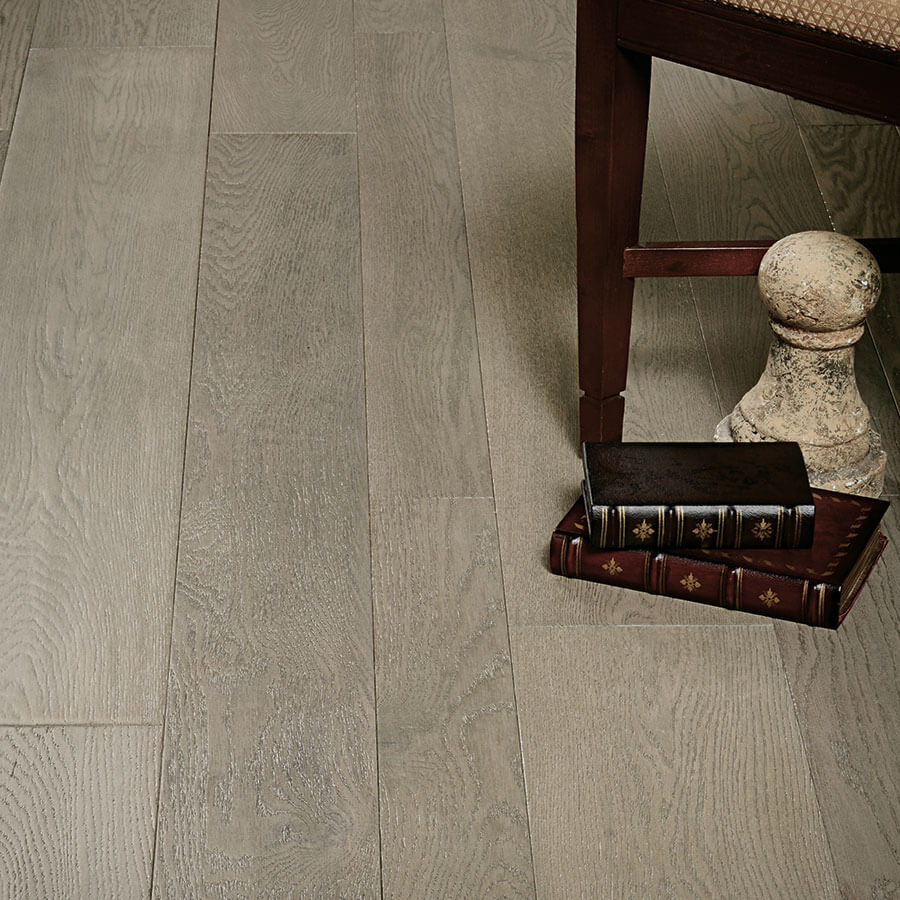
1. The Visual Appeal: Bright, Airy, and Neutral
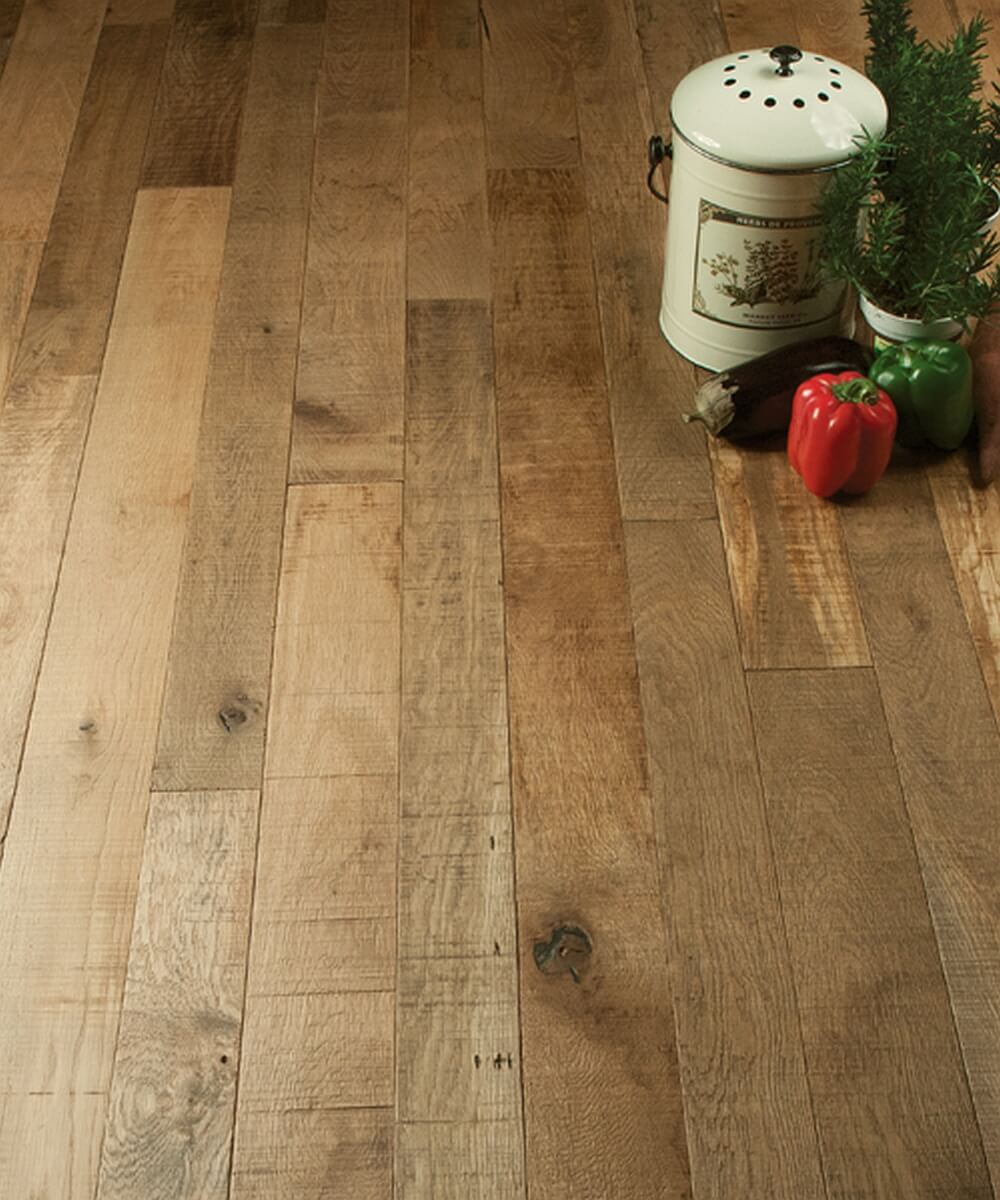
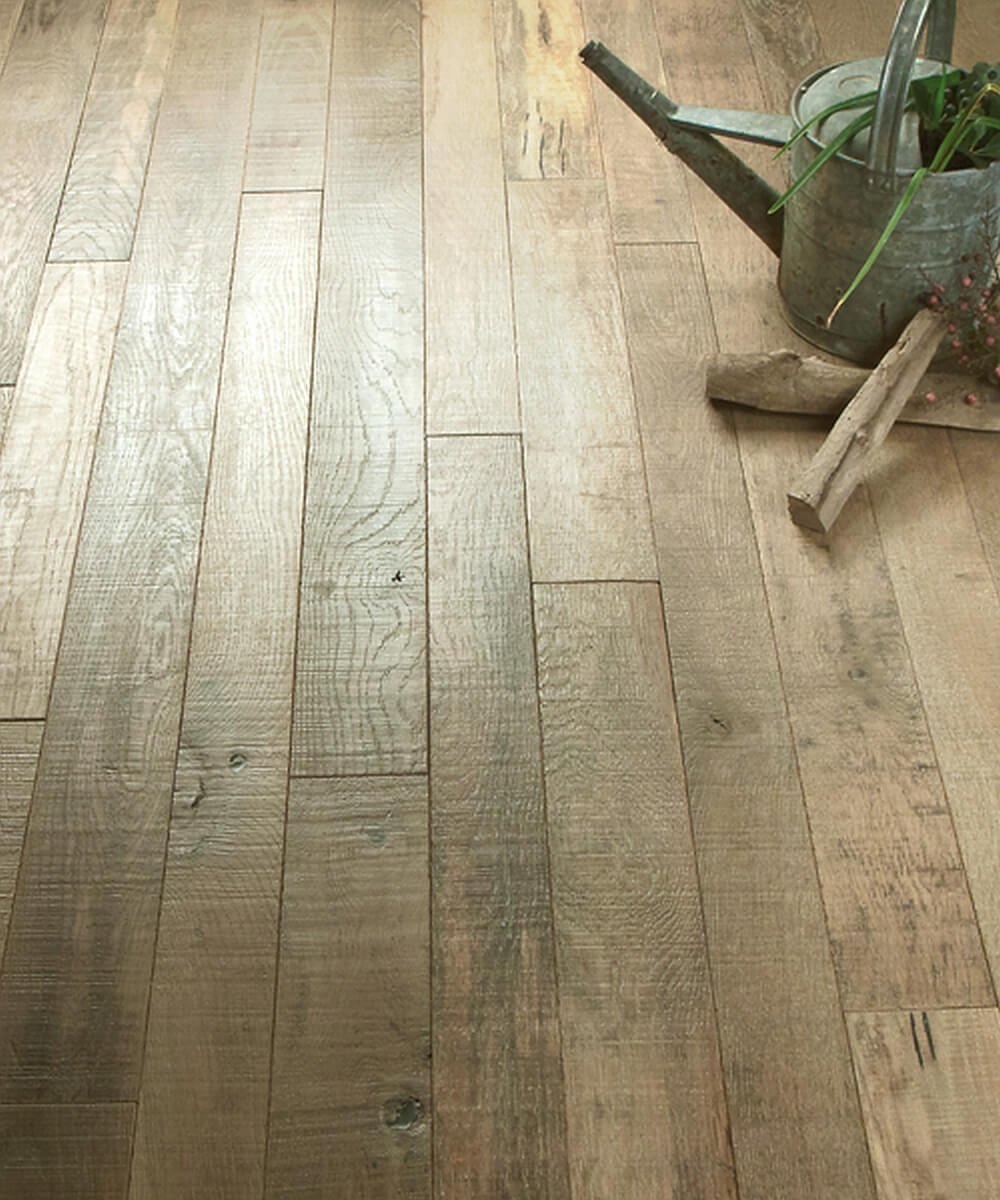
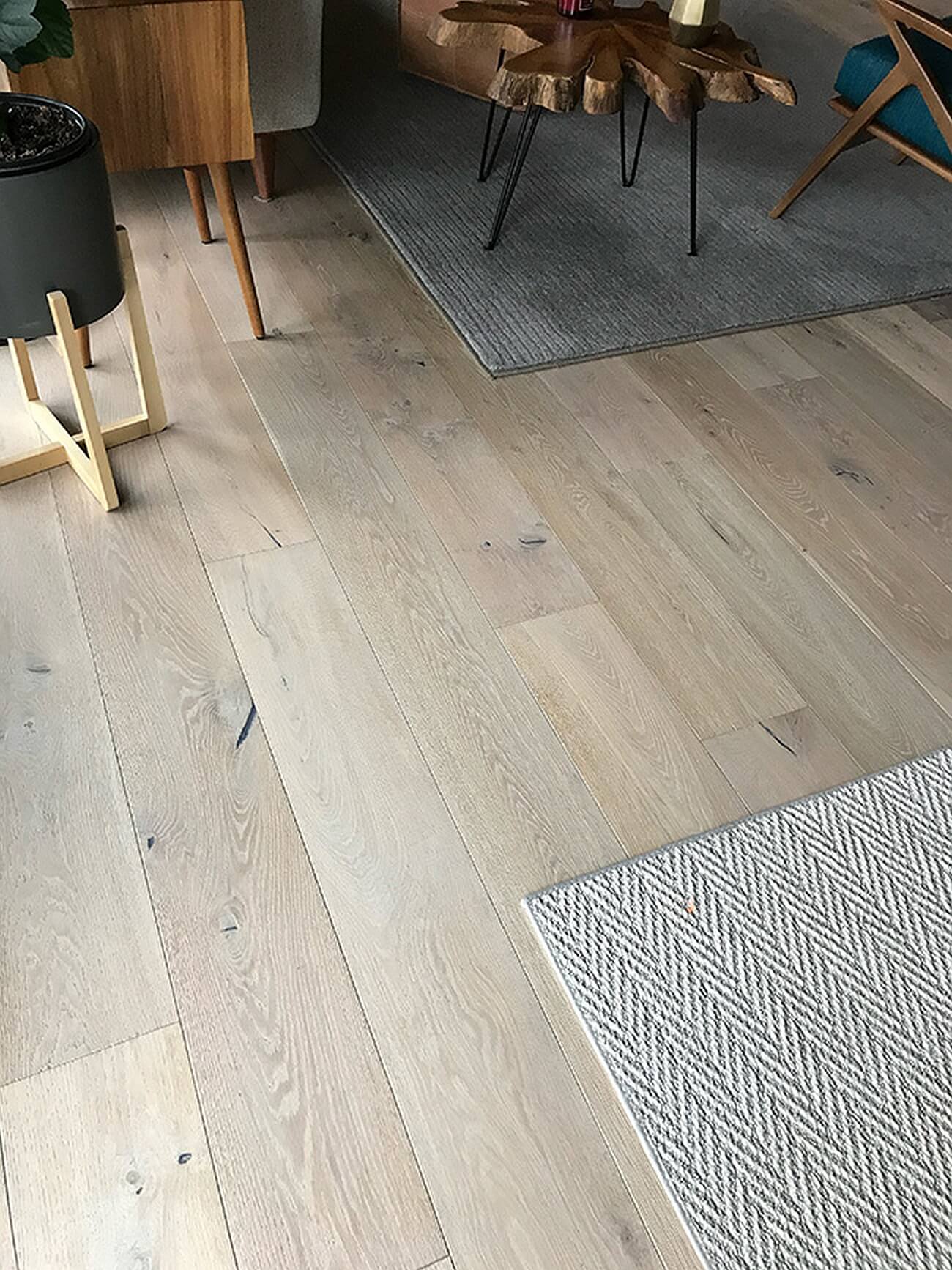
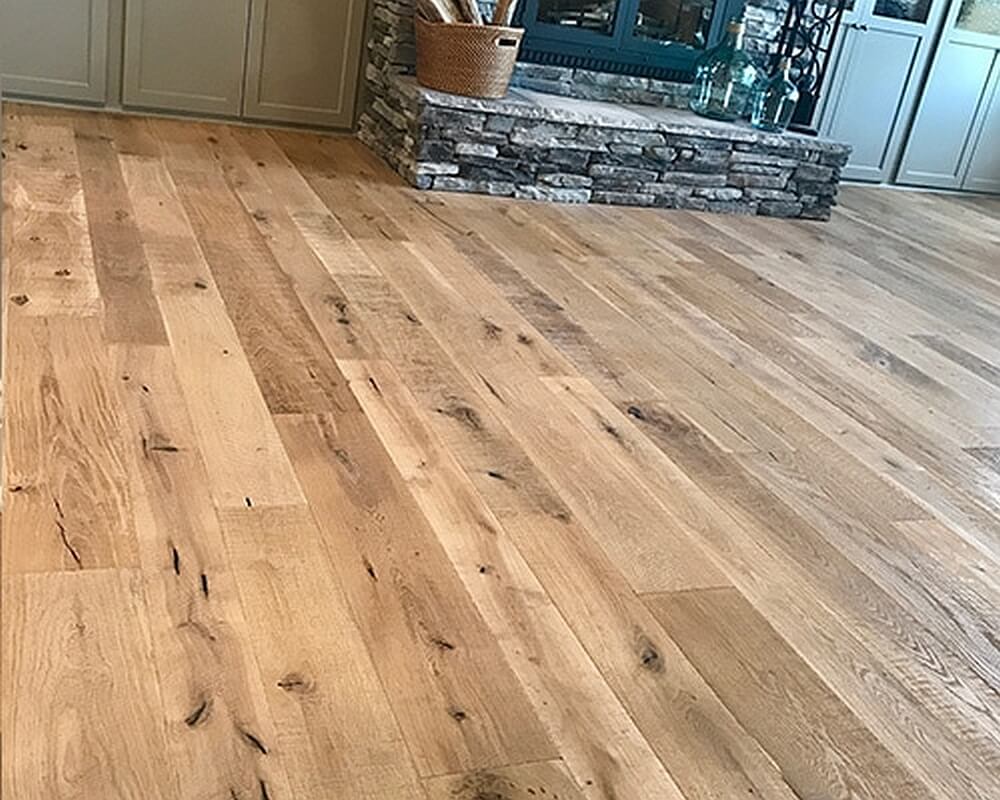
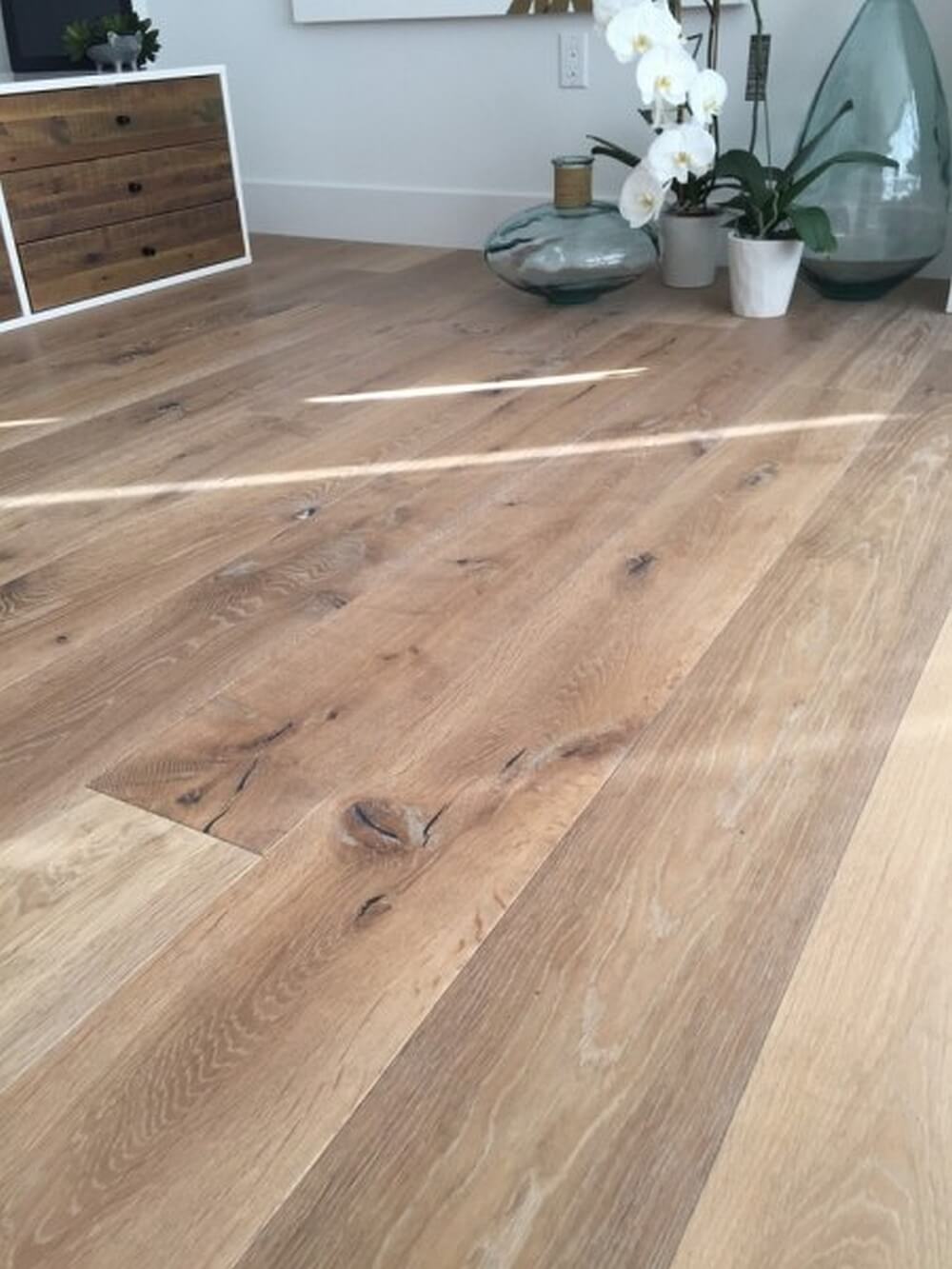
Unlike Red Oak, which carries strong pink and amber undertones, the white oak hardwood flooring, leans into a more neutral palette. It features a sophisticated blend of subtle golden-brown, wheat, and cool gray tones.
This neutral canvas is highly prized for several reasons:
-
Light Reflection: The naturally light tones of white oak bounce sunlight across a room, instantly making spaces feel larger, brighter, and more inviting—especially in sun-drenched or warm-weather climates.
-
Modern Grain Patterns: White Oak generally exhibits a tighter, more linear grain pattern compared to the heavy, sweeping swirls of other oaks. This gives it a smoother, cleaner texture that fits seamlessly into minimalist, Scandinavian, or modern organic aesthetics.
2. Unmatched Versatility with Stains and Finishes
Because white oak lacks strong red undertones, it is incredibly cooperative when it comes to staining.
Whether you want to apply a trendy white-wash finish to create a coastal vibe, keep it completely natural with a matte clear coat, or go dark and moody for a contemporary look, white oak hardwood flooring takes the stain beautifully without color distortion.
Additionally, it pairs exceptionally well with matte or low-sheen finishes. These protective coats seal the wood while preserving its natural texture, hiding daily dust and minor footprints better than high-gloss alternatives.
3. Built for Daily Life: Strength and Durability
Flooring shouldn’t just look stunning; it needs to withstand the chaotic realities of daily household life. Fortunately, White Oak is a true workhorse.
|
White Oak Performance | Why It Matters to Homeowners | |
|---|---|---|---|
| Janka Hardness Rating | 1,360 | Highly resistant to dents and scratches from dropped items or heavy furniture. | |
| Grain Concealment | Linear & Varied | Naturally masks minor surface wear, making it excellent for high-traffic zones. | |
| Moisture Resistance | High (Tyloses in wood structure) | More stable and less prone to moisture warping than many other standard domestic hardwoods. | |
Because of its high density, White Oak hardwood flooring holds up beautifully in homes with active families, kids, and pets. While no hardwood floor is completely scratch-proof, White Oak’s resilient fiber structure absorbs the impacts of daily traffic with grace.
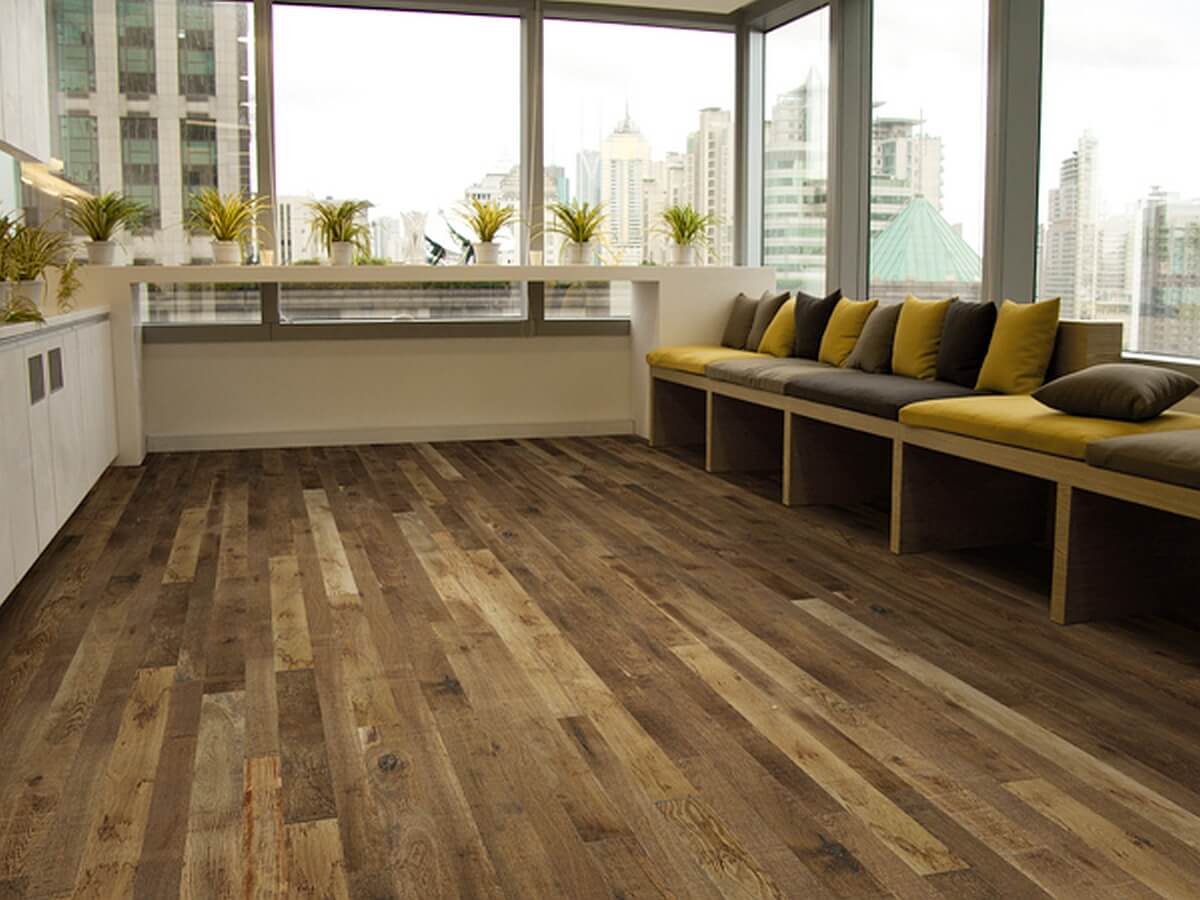
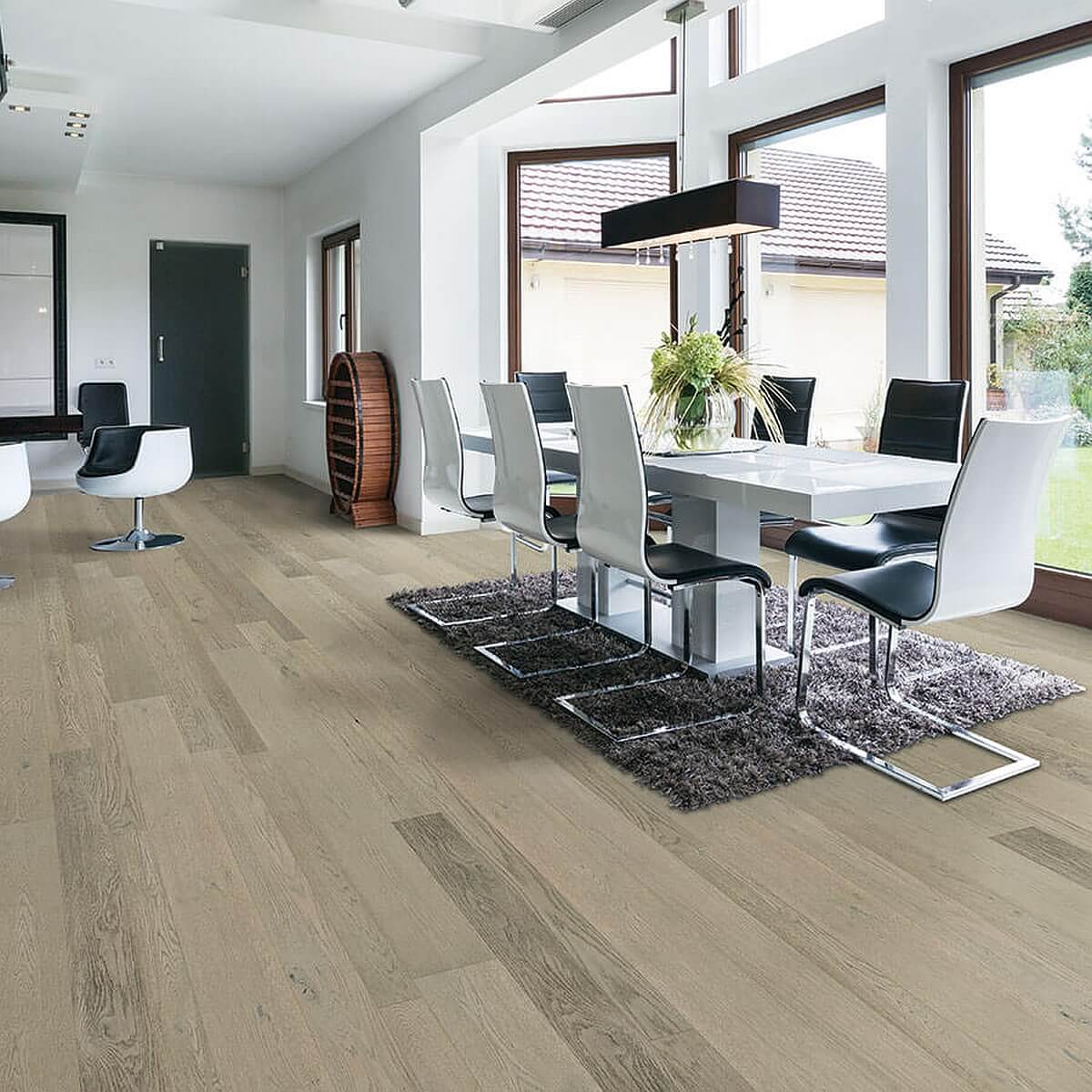
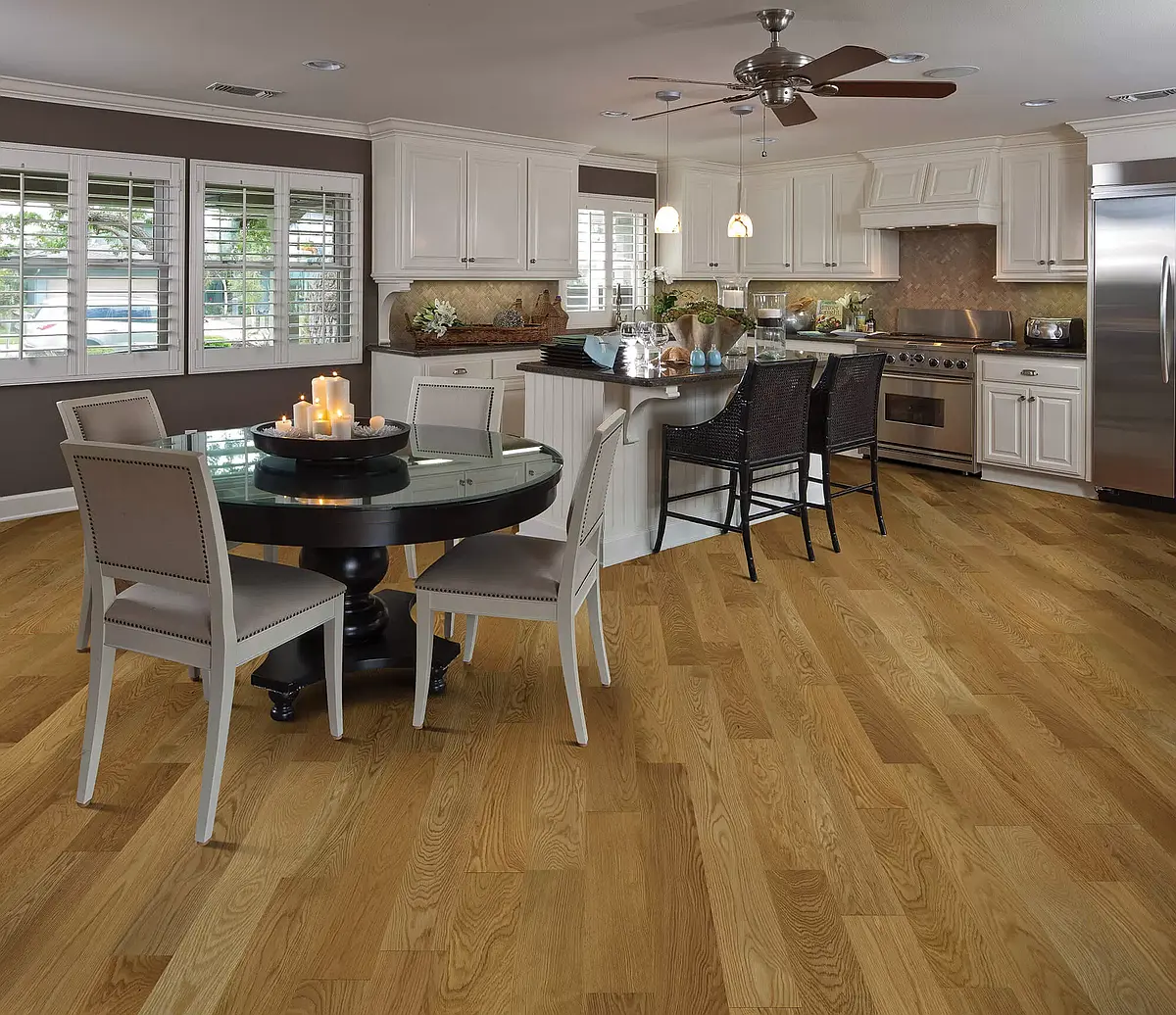
Solid vs. Engineered White Oak: Which Is Right For You?
When shopping for white oak, you’ll generally choose between two manufacturing styles:
-
Solid White Oak: A single, solid piece of wood from top to bottom. It offers incredible longevity because it can be sanded down and refinished multiple times over many decades. However, it is more susceptible to expanding and contracting with humidity changes.
-
Engineered White Oak: Features a real white oak wear layer bonded over a multi-layered, cross-ply core. This structural cross-graining makes engineered planks incredibly stable and resistant to warping, making it the ideal choice if you want wide-plank styles or are installing over concrete subfloors and radiant heating systems.
The Verdict: If you are searching for a flooring material that bridges the gap between classic warmth and clean, modern elegance, white oak hardwood flooring delivers on every front. It is a long-term investment that doesn’t just increase your home’s equity—it elevates your daily living space into a bright, beautiful sanctuary.


The Cost Differences Between Solid and Engineered White Oak Floors
Navigating the pricing differences between solid and engineered White Oak can be tricky because the cost of raw lumber is only one part of the puzzle. Total investment is driven heavily by labor styles, underlayment choice, and subfloor prep.
Here is a realistic breakdown of standard pricing per square foot across the industry to help you budget for your home.
Cost Comparison at a Glance
On a national average, homeowners spend between $6 and $25 per square foot for a complete hardwood floor installation (materials and labor combined). White Oak sits comfortably in the mid-to-high tier of domestic hardwood options.
| Flooring Category | Material Cost (per sq. ft.) | Labor Cost (per sq. ft.) | Total Installed Cost (per sq. ft.) |
| Solid White Oak | $4 – $15 | $3 – $8 | $11 – $25 |
| Engineered White Oak | $3 – $12 | $3 – $8 | $9 – $20 |
Breaking the Line Items
1. Material Costs
The Quality Tiers
For both solid and engineered planks, White Oak prices fluctuate based on the width of the planks (wide planks over 5 inches cost more) and the grade of the wood (clean, uniform wood costs more than rustic grades with knots).
-
Budget/Mid-Range ($3 – $7/sq. ft.): Typically 3-inch to 5-inch width planks. For engineered wood, this tier usually features a thinner 3-ply core structure and a smaller wear layer.
-
Premium/High-End ($8 – $16+/sq. ft.): Wide-plank formats (6 to 9+ inches wide) or engineered platforms featuring 7+ core layers of Baltic birch and a thick, sandable top wear layer (4mm to 6mm).
2. Labor Costs & Installation Methods
Standard professional installation labor runs $3 to $8 per square foot. The exact rate depends heavily on how the floors are being secured:
-
Nail/Staple Down (Common for Solid): Typically costs $3 to $5 per square foot. It requires a clean, level plywood subfloor underneath.
-
Floating (Common for Engineered): Planks click or glue together at the seams and float over an underlayment pad. This is often the fastest and most budget-friendly method for DIYers or quick professional turnarounds.
-
Glue-Down (Premium Engineered): Direct gluing to a concrete slab or subfloor requires specialized, high-grade adhesives to act as a moisture barrier. Labor and materials for glue-down applications frequently push the total installation cost to $8 to $10+ per square foot.
3. Hidden “Real World” Expenses
When estimating a home remodel budget, the old floor removal and subfloor preparation are what usually trip up a project budget:
-
Old Flooring Removal: Demolition and disposal fees range from $1.50 to $4.50 per square foot depending on whether you are tearing up old carpet, vinyl, or old glued-down tile.
-
Underlayment: Expect $0.40 to $2.50 per square foot for required sound-dampening foam, cork, or acoustic moisture barriers.
-
Subfloor Levelling: If your subfloor is uneven or damaged once the old carpet comes up, patching or self-leveling compounds can add $1 to $5 per square foot in unexpected prep work.
Budgeting Strategy: Because wood prices and subfloor conditions vary wildly by local market demand, it is highly recommended to set aside an extra 10% to 15% cash buffer above your initial quote to handle unexpected subfloor leveling or trim adjustments once the old flooring is ripped away.
How many times we can refinish engineered white oak hardwood floors?
ANSWER WITH LIFESPAN
The lifespan of an engineered White Oak floor depends almost entirely on the thickness of its top “wear layer.” This is the layer of real hardwood bonded to the plywood core. Once you sand through that layer and hit the plywood, the floor cannot be refinished again.
Professional sanding typically removes about 0.75mm to 1mm of wood. Using that as a guide, here is how many refinishes you can expect based on standard industry thicknesses.
Refinish Potential by Wear Layer Thickness
Wear Layer Thickness Est. Refinishes Typical Lifespan Notes
1mm – 2mm 0 15–25 Years Too thin to safely sand. You can only do a “screen and recoat” (adding a new top coat of poly).
3mm 1 – 2 30–40 Years The “standard” quality. Allows for at least one full sand and refinish to change the color or remove deep scratches.
4mm 2 – 3 40–60 Years High-end territory. Offers longevity similar to solid hardwood floors.
6mm 4 – 5 60–80+ Years Ultra-premium. Often found in luxury collections (like some Hallmark or Alta Vista lines).
Factors That Impact Your “Refinish Count”
While the math above is a great baseline, three factors can “steal” a refinish from your floor’s lifetime:
Professional Skill: An inexperienced flooring contractor might sand too aggressively, removing 1.5mm in a single pass. A skilled professional using modern dust-containment systems can be much more surgical, preserving the layer.
Floor Levelness: If your subfloor is uneven, the sanding machine will naturally hit the “high spots” harder. In those areas, you might burn through a 3mm wear layer much faster than in the rest of the room.
Deep Damage: If a heavy appliance is dragged across the floor creating a 2mm deep gouge, a contractor has to sand the entire room down to that depth to make the floor level again. This can essentially “use up” two refinishes in one session.
The “Screen and Recoat” Alternative
Most ordinary homeowners don’t actually need a full sand and refinish very often. If your floor just looks dull or has light surface scuffs, you can perform a “Screen and Recoat.”
The Process: A professional lightly buffs the existing top finish (without hitting the wood) and applies a fresh coat of polyurethane.
The Benefit: This uses zero of your wear layer. You can do this every 5–7 years to keep the floor looking brand new indefinitely without ever touching the actual White Oak.
Pro Tip: If you are buying a floor today with the intent to change the stain color in 10 years, look for a minimum 3mm wear layer. If you want a “forever floor” that your kids can refinish decades from now, aim for 4mm or higher.
ANSWER TO NUMBER OF TIMES
The number of times you can sand and refinish an engineered floor is entirely dependent on the wear layer—the top slice of real White Oak bonded to the core. Unlike solid wood, which has a thick “meat” above the tongue-and-groove, engineered wood has a finite limit before you hit the plywood or HDF core.
A standard professional sanding typically removes about 0.75mm to 1mm of wood.
Refinishing Frequency by Wear Layer
If you are planning for the next 20 to 30 years, use this breakdown to determine how many “lives” your floor has:
Wear Layer Thickness Estimated Refinish Cycles Longevity Expectation
1mm – 2mm 0 Times: Too thin to sand. Professional screen-and-recoat only.
3mm 1 – 2 Times: The industry standard for high-quality residential flooring.
4mm 2 – 3 Times Excellent durability; mimics the refinishing life of solid wood.
6mm 4 – 5 Times Premium/Heirloom grade; can last 60+ years with proper care.
The Critical Difference: Sanding vs. Buffing
It is important to distinguish between a full “Refinish” and a “Screen and Recoat.”
Full Sand & Refinish: This involves grinding the wood down to bare fibers to remove deep scratches, dents, or to change the stain color entirely. This is what consumes the wear layer.
Screen & Recoat (Buffing): This only scuffs the top layer of polyurethane and applies a fresh topcoat. It does not remove any wood.
Homeowner Tip: If you screen and recoat every 7 to 10 years, you can keep your floors looking new for decades without ever performing a full sand, effectively bypassing the wear layer limit.
Factors That Can “Shorten” the Floor’s Life
Even with a thick wear layer, certain technical factors can reduce the number of times you can sand:
Professional Skill: A heavy-handed or inexperienced sander can accidentally remove 2mm in a single pass, “burning through” a floor in one go.
Subfloor Flatness: If the subfloor is wavy, the sanding machine will hit the high spots harder, potentially exposing the core in those specific areas while barely touching the low spots.
Wire-Brushing or Hand-Scraping: If your White Oak has a heavy texture, the first sanding must be deep enough to flatten that texture before a new finish can be applied, which usually “costs” at least one full refinishing cycle.
The “Ordinary Homeowner” Test: If you are buying a floor today and expect to live in the home for 15+ years with kids or pets, aim for a minimum 3mm wear layer. It provides that one “emergency” sand-and-finish if the floors take a beating over the first decade.
Suggested Videos