What is Engineered Hardwood Flooring?
The masterful fusion of organic beauty and structural stability.
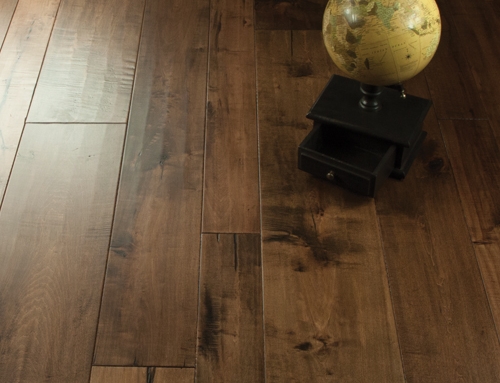
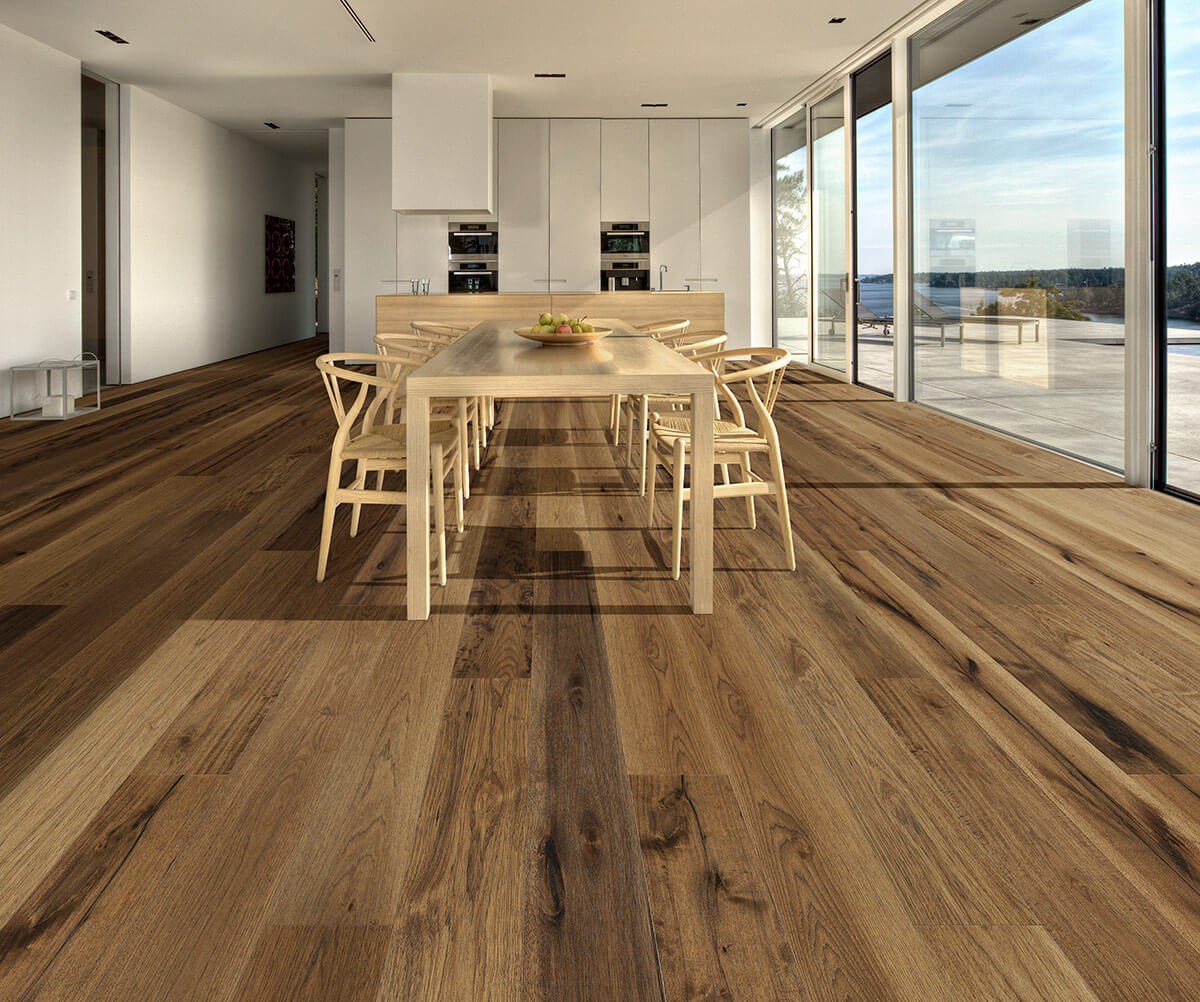
Engineered hardwood flooring represents a sophisticated marriage of natural aesthetics and structural engineering, designed to overcome the inherent physical limitations of solid wood. At its core, this flooring consists of a multi-layered construction that balances beauty with performance. The top layer, known as the wear layer or lamella, is composed of a genuine slice of hardwood, such as oak, hickory, or walnut. This ensures that the surface visible to the homeowner possesses the authentic grain patterns, knots, and color variations found in traditional solid planks.
Engineered Flooring Aspects
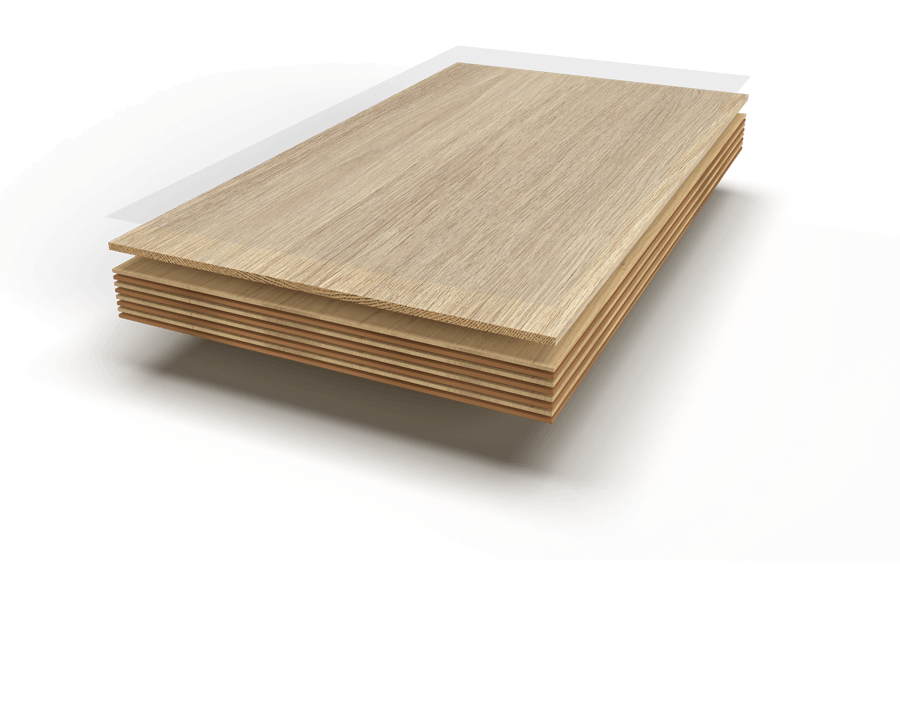
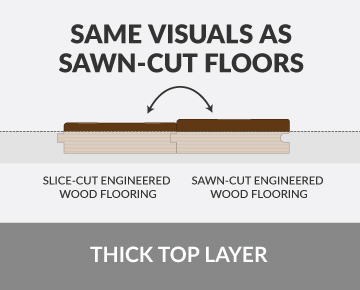

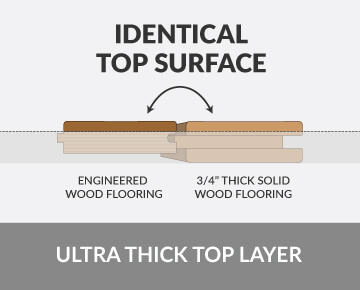
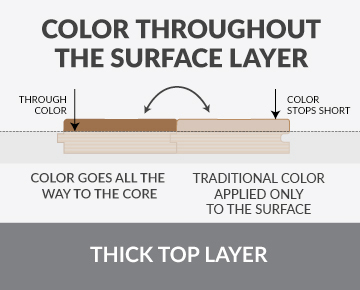
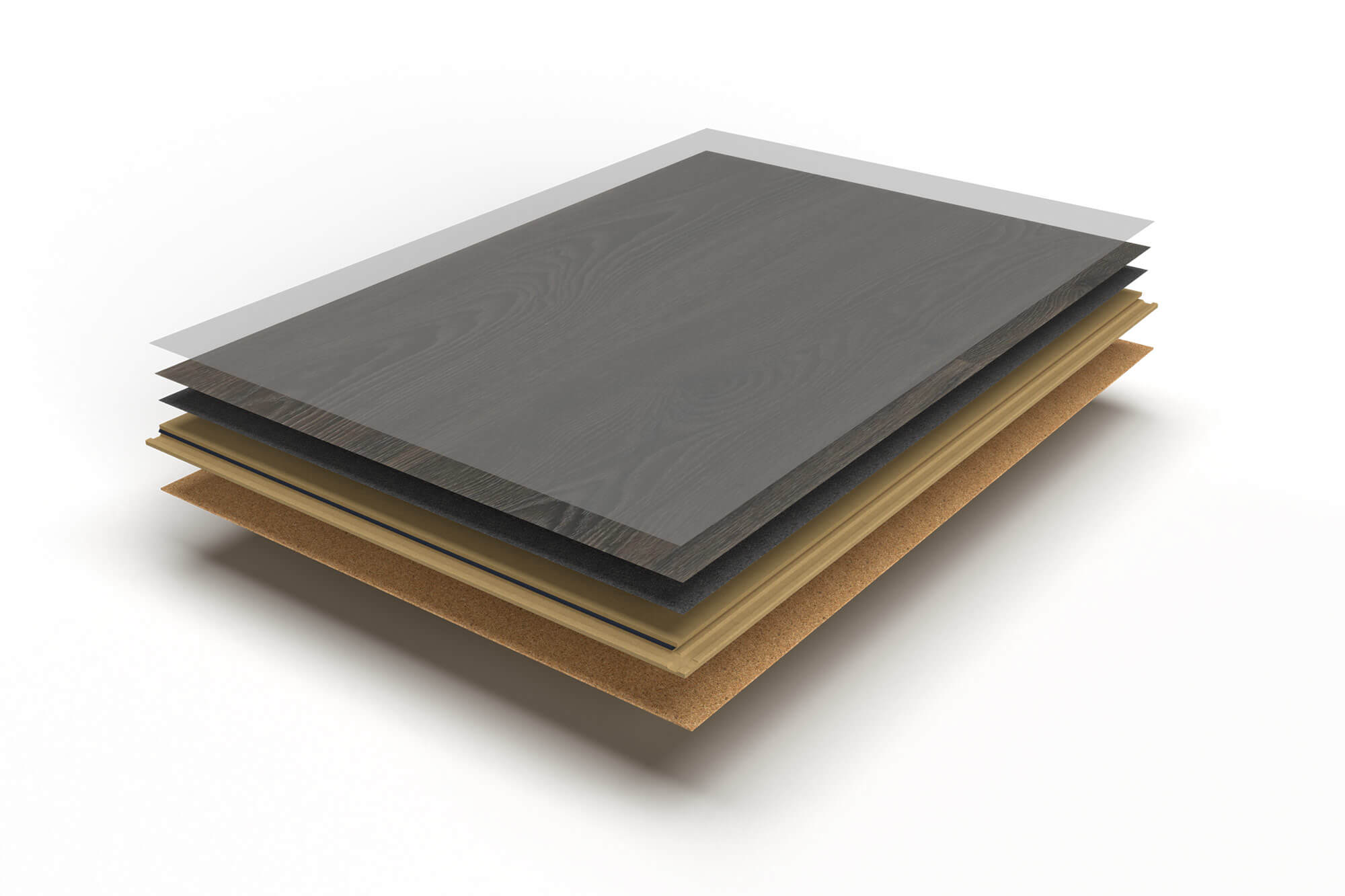
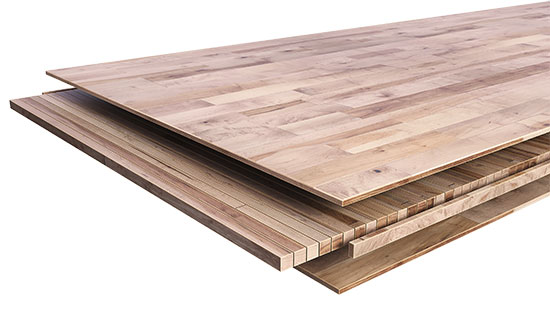
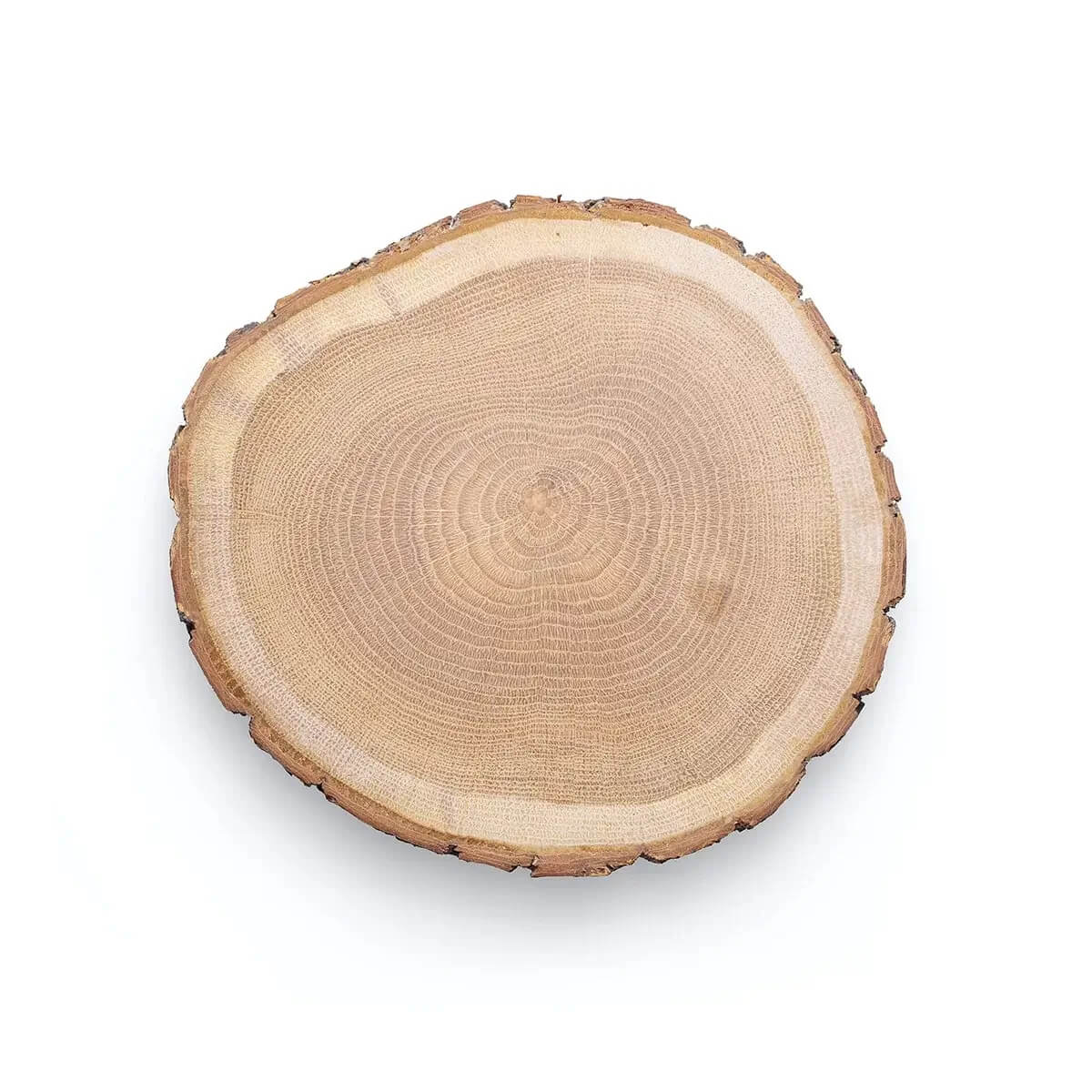
Beneath this authentic wood surface lies the engine of the plank’s stability: the core. Unlike solid hardwood, which is a single piece of timber prone to expanding and contracting with changes in humidity, engineered wood uses a cross-ply construction. This core is typically made of multiple layers of plywood or high-density fiberboard stacked in opposing directions. This orientation creates a structural “tug-of-war” that counteracts the natural tendency of wood to swell or shrink. Consequently, engineered hardwood is significantly more resistant to moisture-related issues like warping, cupping, or gapping, making it a viable option for installations in basements or over concrete slabs where solid wood might fail.
Engineered Hardwood Flooring by Hallmark Floors
The True Collection
Technical Profile
-
Construction: It features a multi-ply TrueCore structure, providing the high dimensional stability expected of a top-tier engineered floor.
-
Thickness: The total thickness of the planks is 5/8″.
-
Width: The collection offers a wide-plank look, typically measuring 7.5″ wide.
-
Wear Layer: It has a substantial sawn-cut wear layer, which gives it the authentic look of solid wood and allows for future refinishing.
-
Species: Primarily features North American White Oak, Hickory, and Maple.
-
Finish: It uses the Nu Oil® finish, which is a hybrid oil that provides a matte, natural texture.
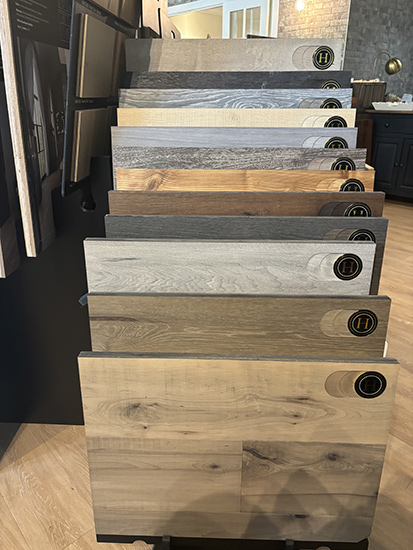
Hallmark Floors True Collection on display at Planet Hardwood showroom
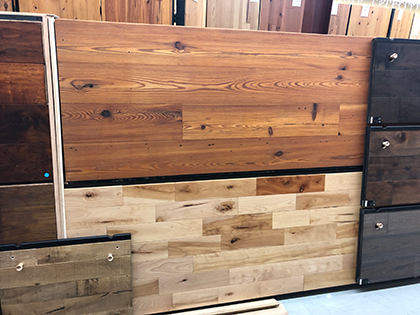
Ebbys showroom true hallmark floors
The Serenity Collection
Technical Profile
-
Core Construction: It typically features a high-density fiberboard (HDF) or a plywood core, which resists the natural expanding and contracting of the wood.
-
Finish: The planks are usually finished with a specialized coating, such as the Nu Oil® finish, which is intended to provide a matte, natural look while offering protection against daily wear.
-
Dimensions: These floors often come in wider widths (around 6 or 7 inches) and random lengths, which is a hallmark of premium engineered collections.
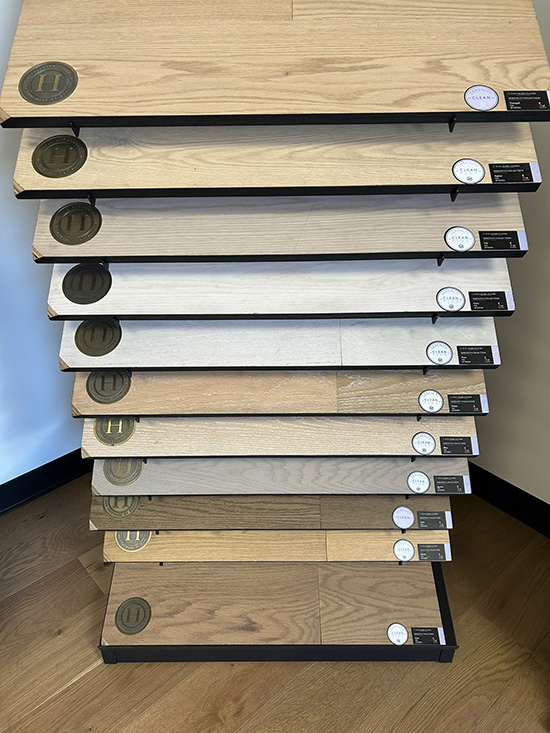
JDW Flooring serenity display
The Avenue Collection
Technical Profile
-
Construction: It features a multi-ply TrueCore centerply, which provides significant stability against shrinking or expanding.
-
Wear Layer: It has a 4mm thick sawn-cut face, which is substantial enough to allow for future sanding and refinishing, similar to solid hardwood.
-
Species Options: This collection is more diverse in its wood types, offering European Oak, American Hard Maple, and American Hickory.
-
Finish: It uses the TrueMark® GlazeTek finish—a 12-coat system that includes a hand-glazed look with a low-sheen, satin appearance.
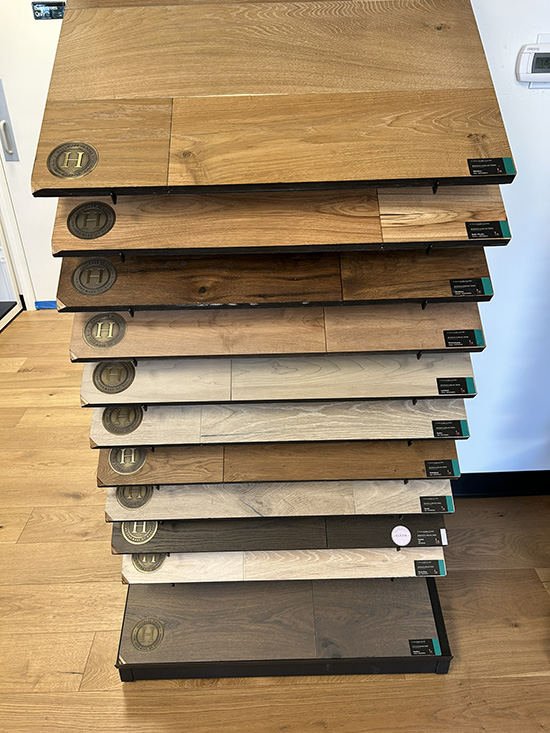
JDW Flooring avenue display
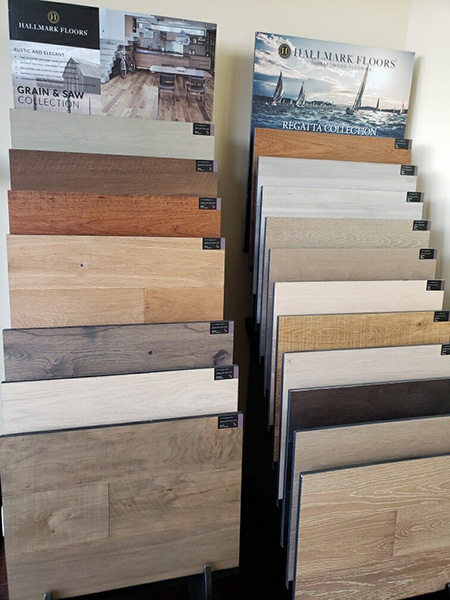
The Grain & Saw Collection
Technical Profile
-
Construction: It uses an engineered slice-cut structure, which provides the stability needed for varying climates while maintaining the look of solid wood.
-
Dimensions: The planks are typically 6 inches wide and 7/16-inch thick, with random lengths up to roughly 6 feet.
-
Wear Layer: It generally features a 1.5mm slice-cut wear layer. This is thinner than the Avenue Collection (which has a 4mm layer), meaning it is built more for stability and style than for multiple rounds of heavy sanding.
-
Species: This collection is versatile, offering options in European Oak, American Hickory, and American Maple.
-
Finish: It utilizes the TrueMark® GlazeTek finish, a low-sheen, multi-coat system that is very durable and easy to maintain in active homes.
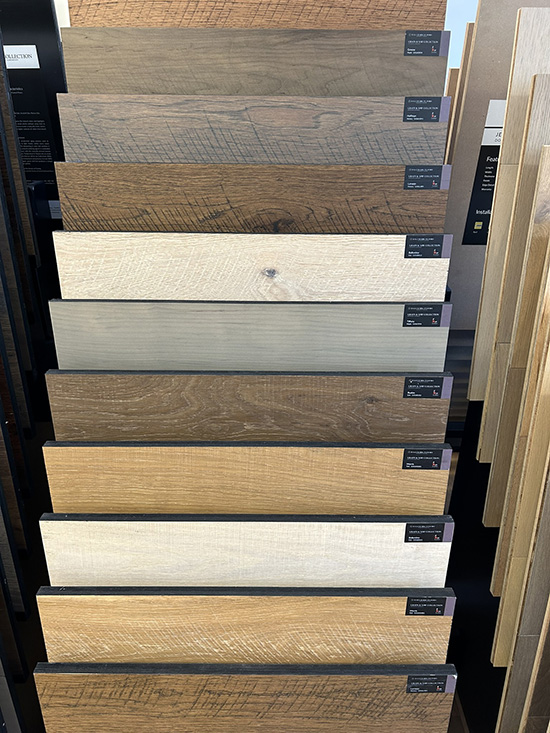
JDW Flooring grain & saw-display by Hallmark Floors
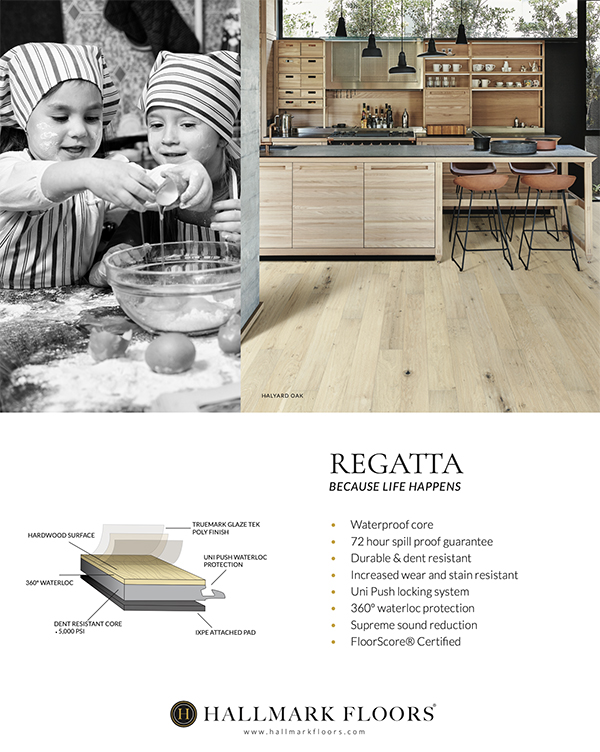
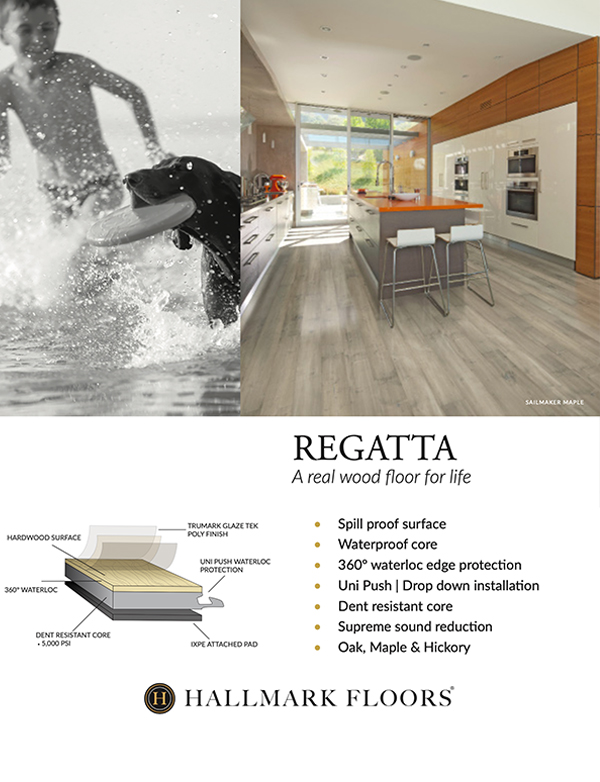
The Regatta Collection
Technical Profile
-
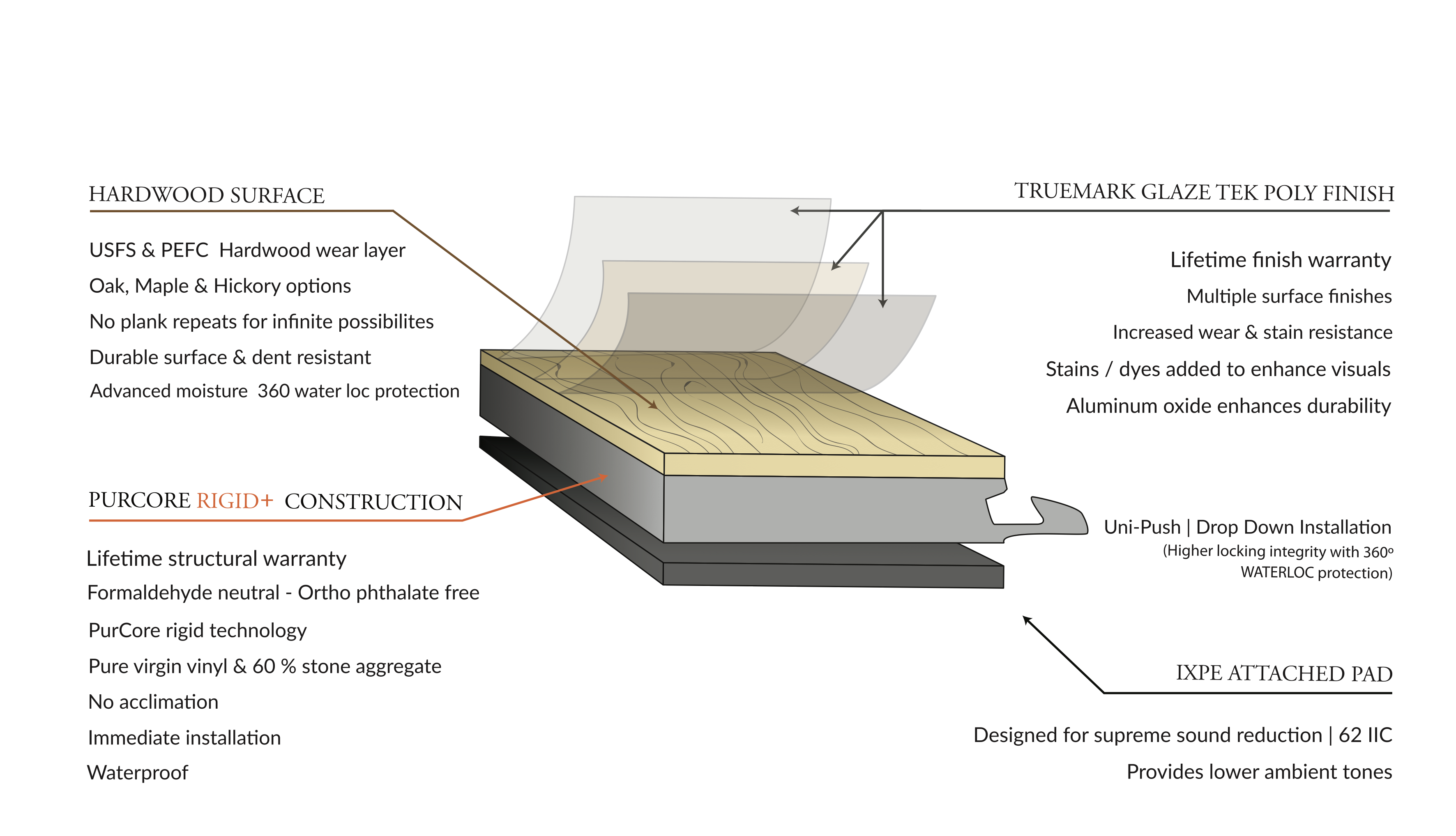
Construction: It features a waterproof rigid core (SPC) with a real wood top layer. It also comes with an attached Quiet Comfort padding on the back for sound reduction and easier installation.
-
Dimensions: The planks are 6 inches wide and approximately 7.5mm thick.
-
Wear Layer: It uses a 1.2mm slice-cut real wood veneer. Because this layer is thinner and attached to a rigid core, it is not intended to be sanded or refinished.
-
Species: Available in European Oak, American Hard Maple, and American Hickory.
-
Finish: It is treated with the TrueMark® GlazeTek finish, which includes an antimicrobial defense and is higly resistant to scratches and stains.
Regatta and Grain & Saw display at Carolina Hardwoods
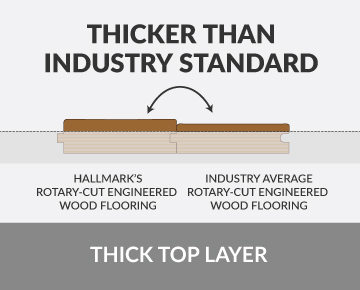
The thickness of the wear layer is a critical factor in the flooring’s longevity and value. High-quality engineered planks often feature a substantial wear layer that allows the floor to be sanded and refinished several times over its lifespan, much like solid wood. However, thinner versions are also common, designed for high-traffic durability with advanced factory-applied finishes. These finishes often include aluminum oxide or UV-cured oils, which provide a robust shield against scratches and wear while maintaining the wood’s natural feel.