Plank Hardwood Flooring

Types, Costs, Pros & Cons

The Complete Guide to Plank Hardwood Flooring

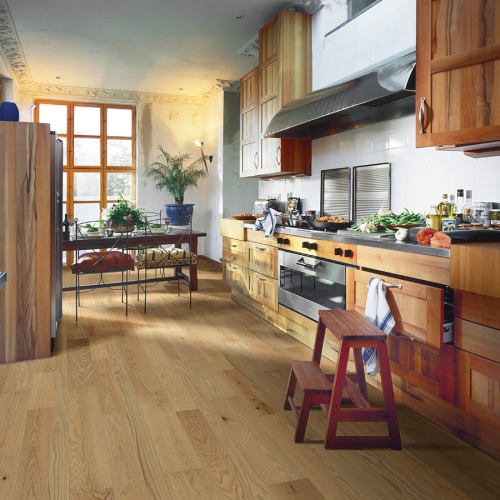
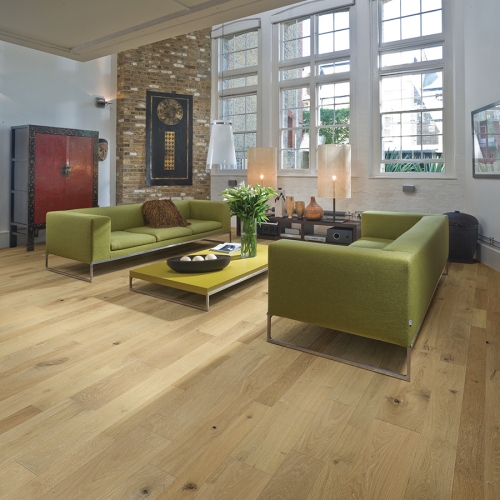
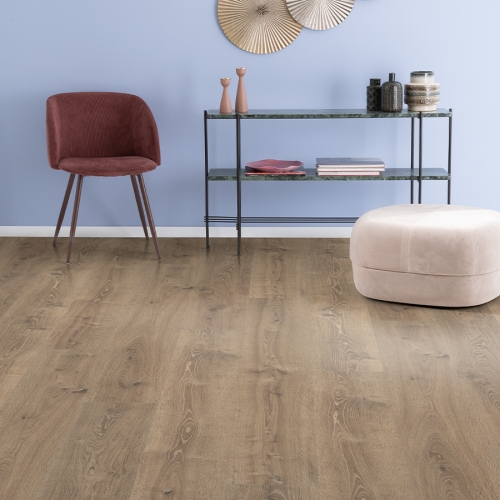
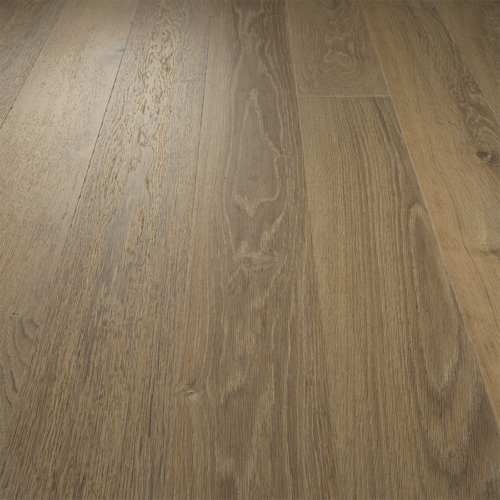
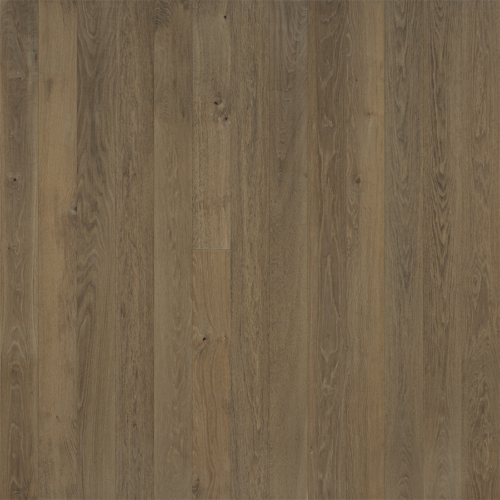
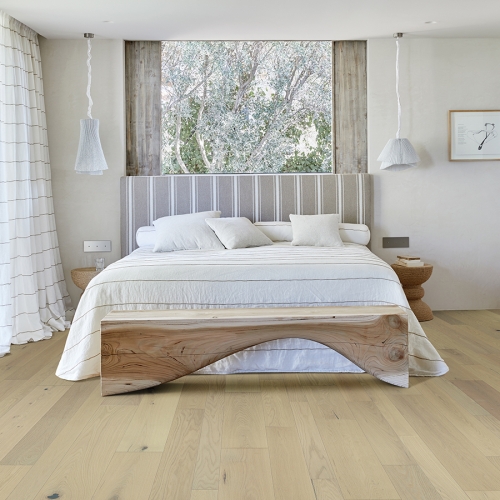
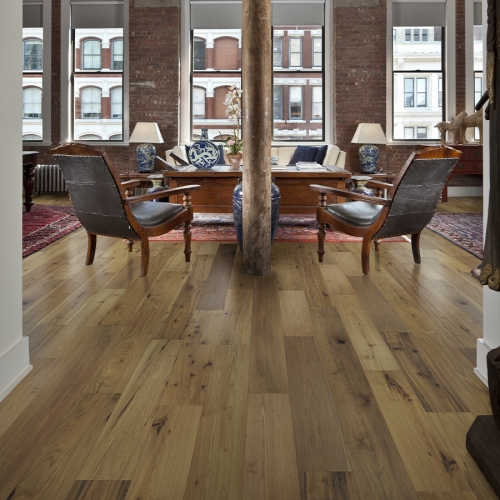
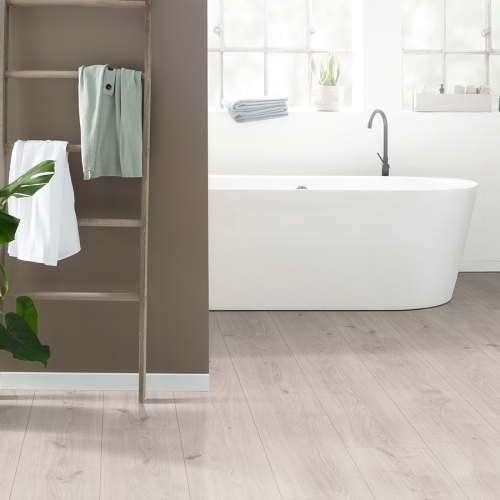
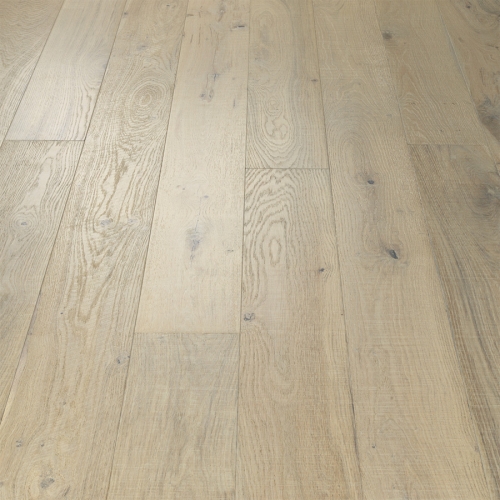
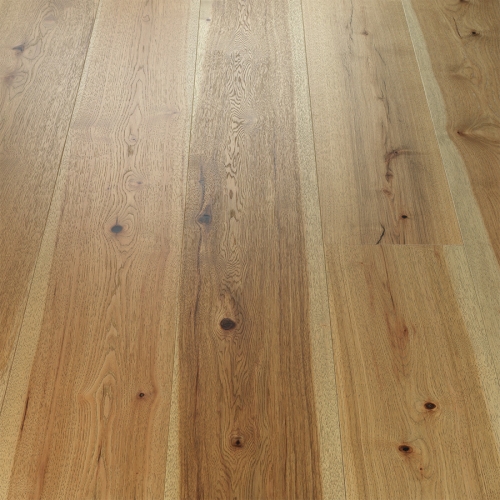
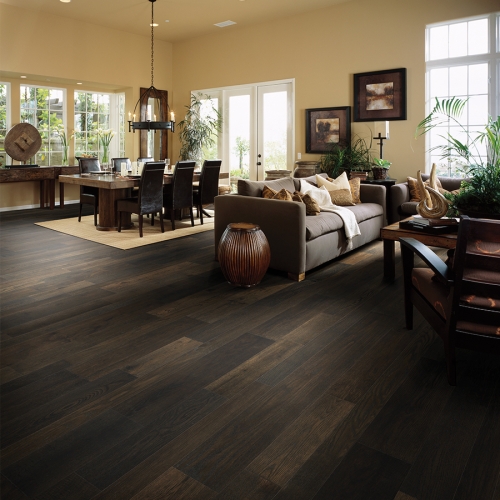
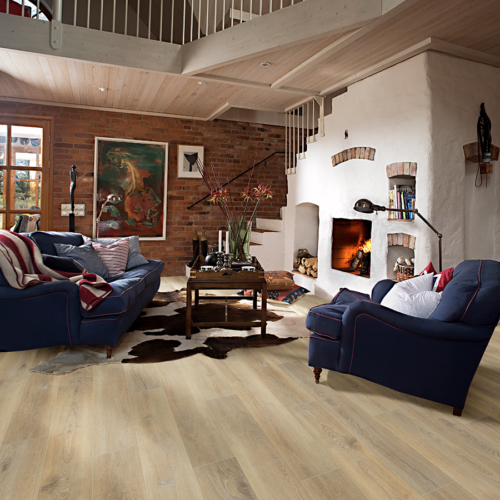
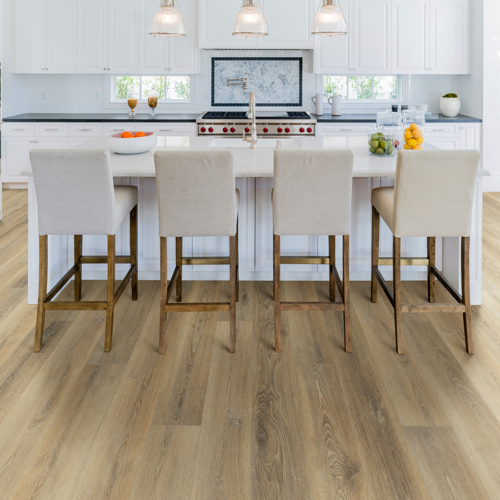
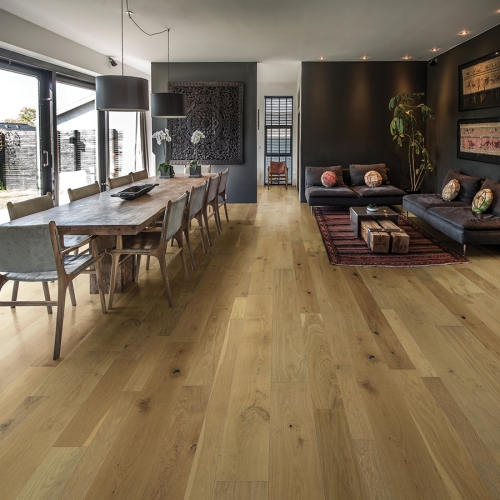
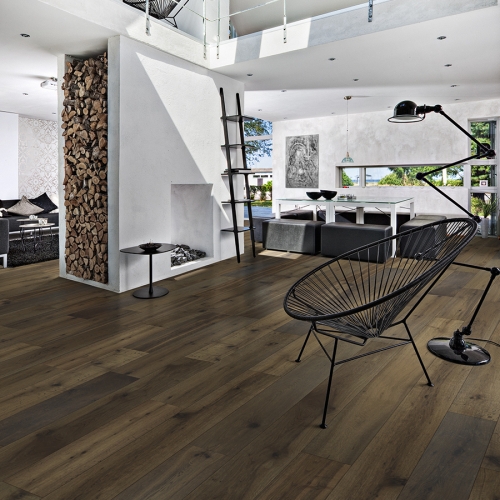
Wide-plank hardwood flooring has evolved from a historical building necessity into one of the most sought-after interior design features. Whether you are updating a single room or redesigning an entire home, understanding the nuances of plank width, construction, wood species, and installation methods will ensure you select a floor that lasts for decades.

1. What Defines Plank Hardwood Flooring?

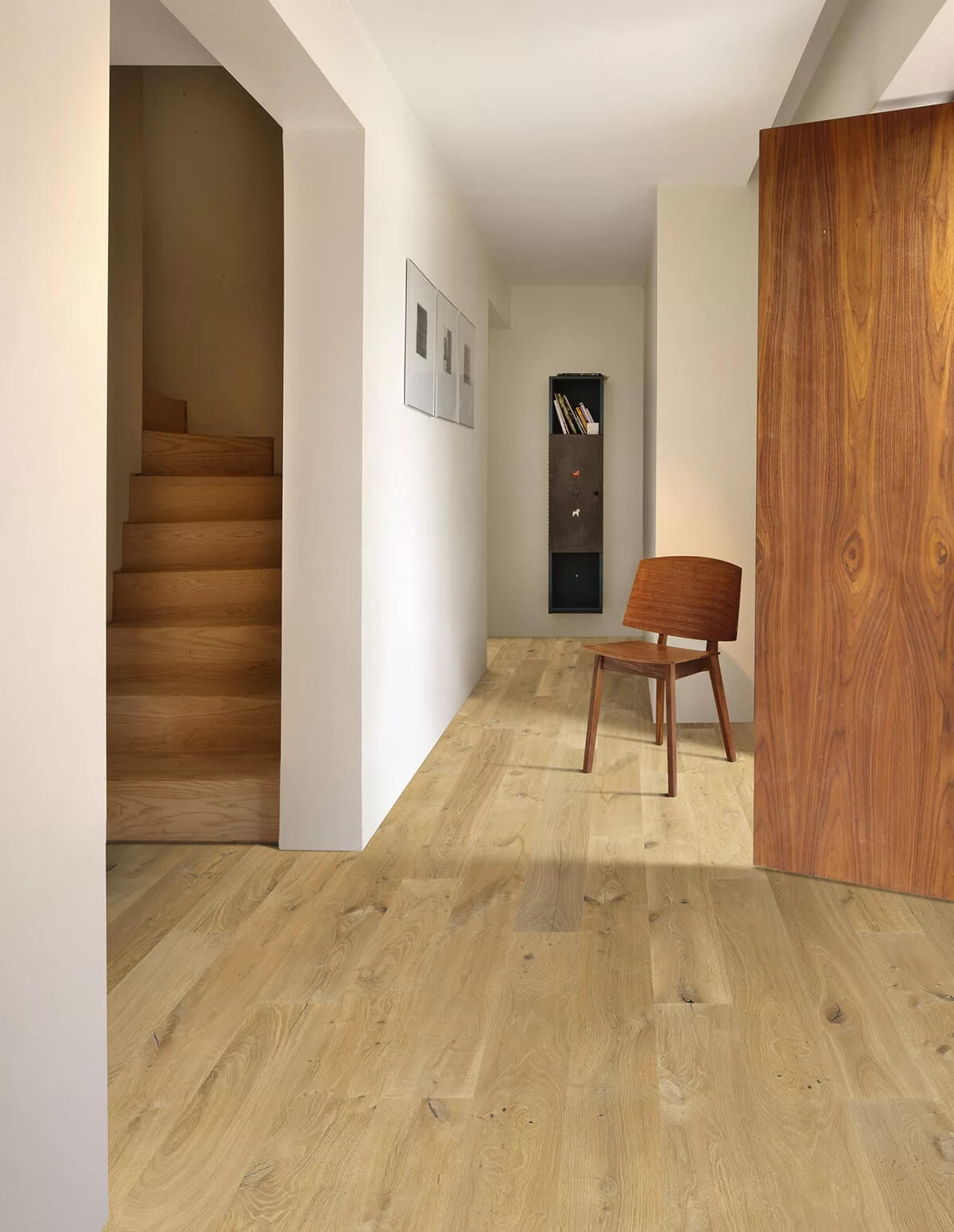
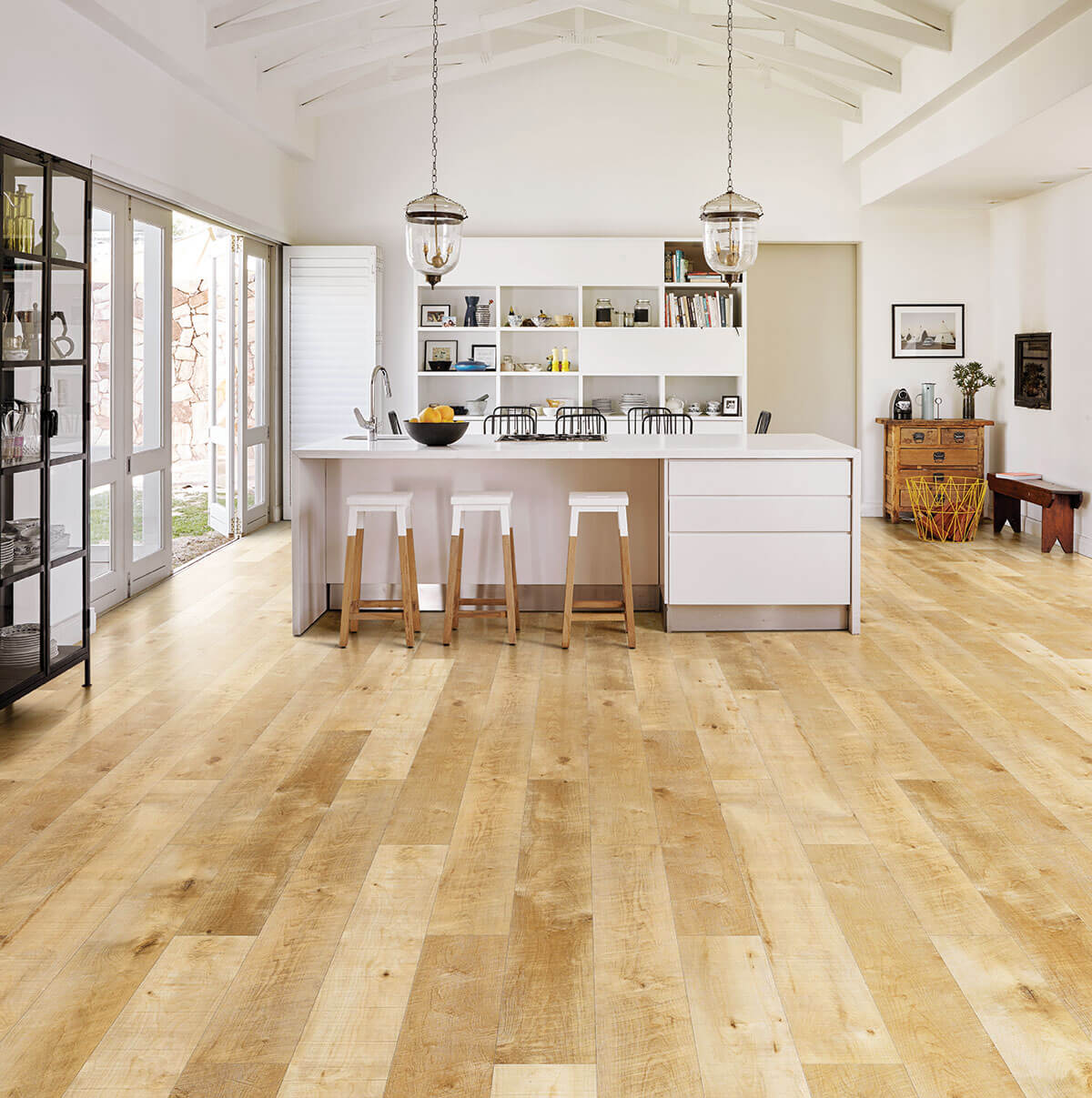
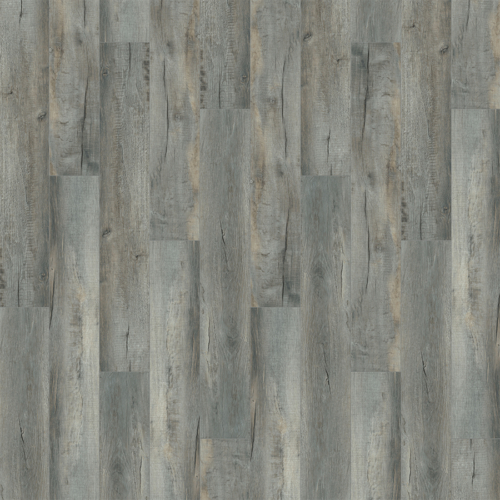
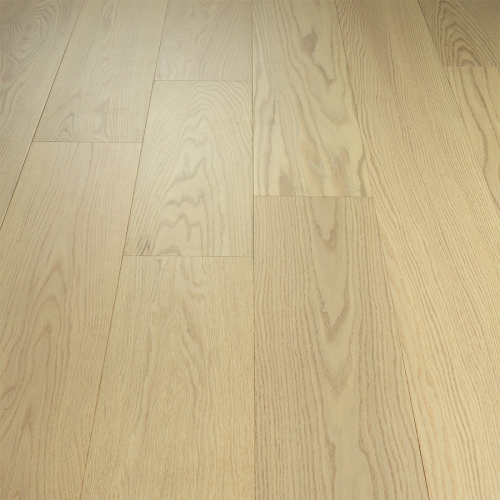
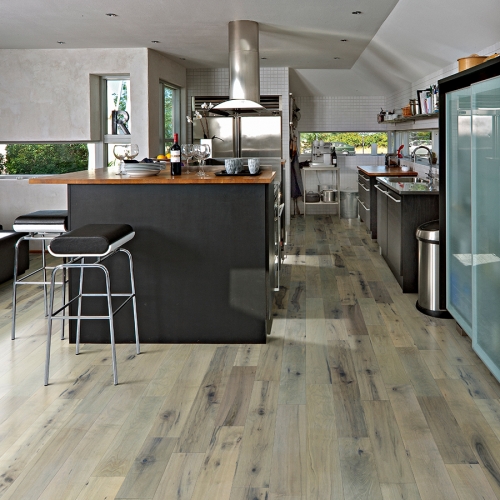
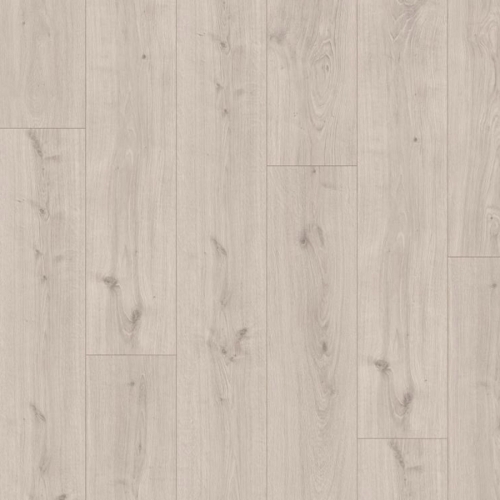
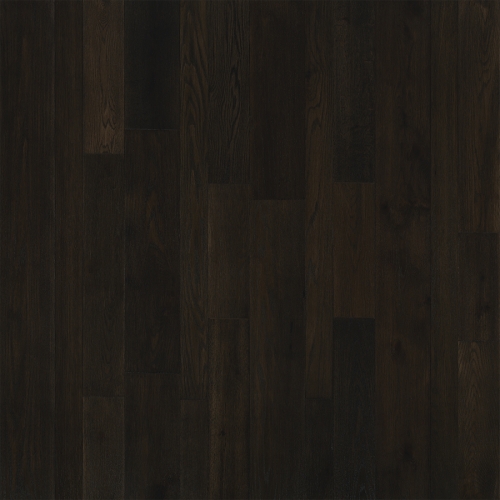
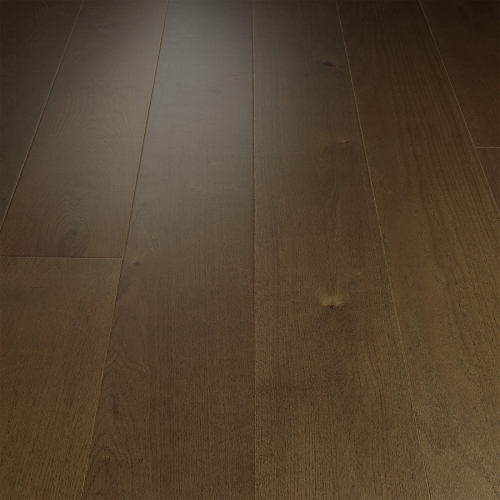
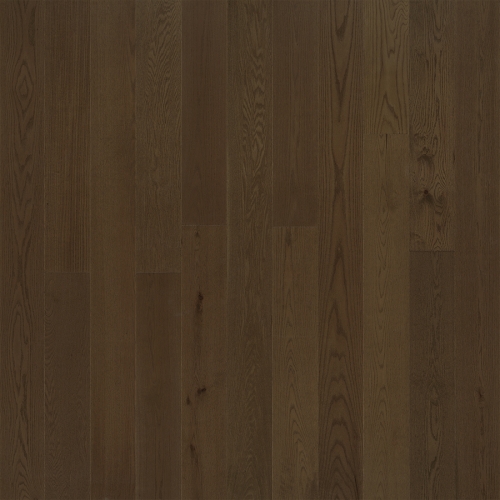
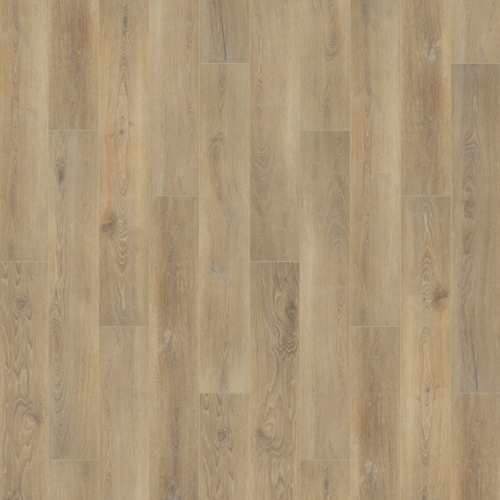
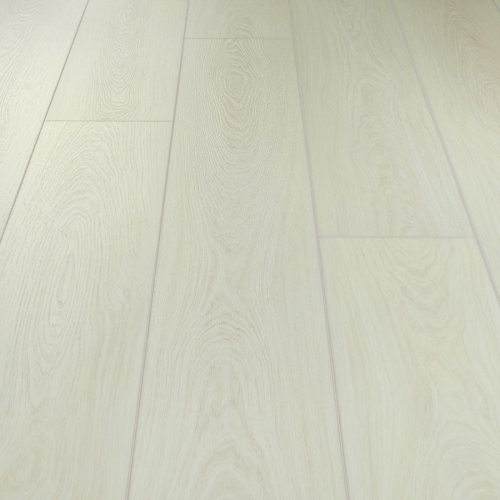
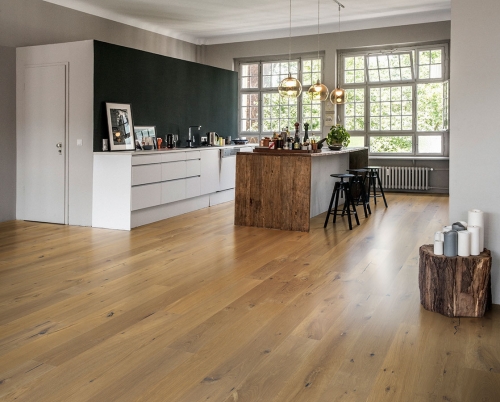
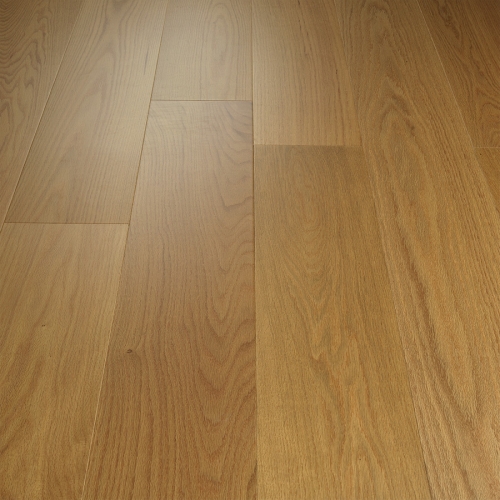
Traditional strip hardwood flooring typically measures between 2¼ inches and 3 inches in width. In contrast, plank hardwood flooring usually starts at 4 inches wide and can extend to 10 inches or more.

 Strip Flooring    : [ 2¼" to 3" ]
 Plank Flooring    : [ 4" to 10"+ ]

Key Differences at a Glance

Feature Strip Flooring Plank Hardwood Flooring
Visual Effect Busier, more seam lines Seamless, expansive, modern
Room Impact Makes small rooms feel structured Makes rooms feel larger and open
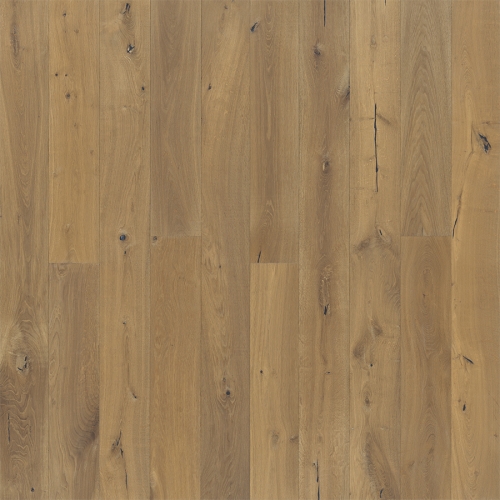
Grain Visibility Fragmented pattern view Full grain characteristics on display
Installation Speed More boards required per sq. ft. Fewer boards required per sq. ft.

2. Solid vs. Engineered Plank Flooring

When selecting wide planks, choosing between solid wood and engineered wood is a critical performance decision.

Solid Hardwood Planks

Milled from a single continuous piece of lumber.

  • Best for: Above-grade installations, low-humidity environments, long-term longevity.

  • Pros: Can be sanded and refinished multiple times over its lifetime.

  • Cons: Prone to expansion, contracting, and cupping in wide widths if ambient humidity fluctuates.

Engineered Hardwood Planks

Features a real hardwood top veneer (wear layer) bonded to high-density plywood core layers running in cross-directional orientations.

  • Best for: Wide plank designs (6″+), basements, high-humidity regions, installations over concrete slabs.

  • Pros: Exceptional dimensional stability; resists warping, cupping, and gaping.

  • Cons: Sanding frequency depends on the wear layer thickness (typically 2mm to 6mm).

3. Popular Wood Species for Plank Floors

Different species offer distinct hardness ratings, graining patterns, and color variations.

Janka Hardness Scale (Higher = More Dent Resistant)
--------------------------------------------------
Red Oak     : [1290]
White Oak   : [1360]
Ash         : [1320]
Hickory     : [1820]

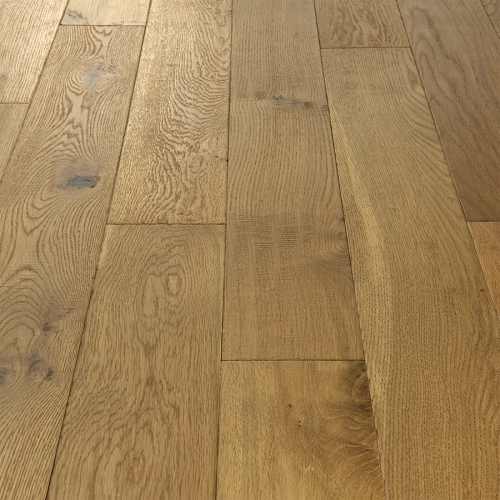
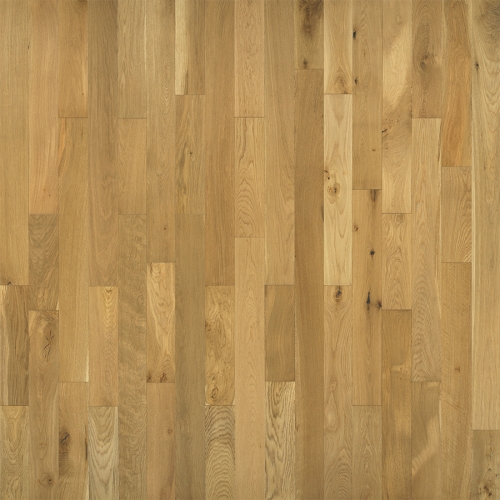
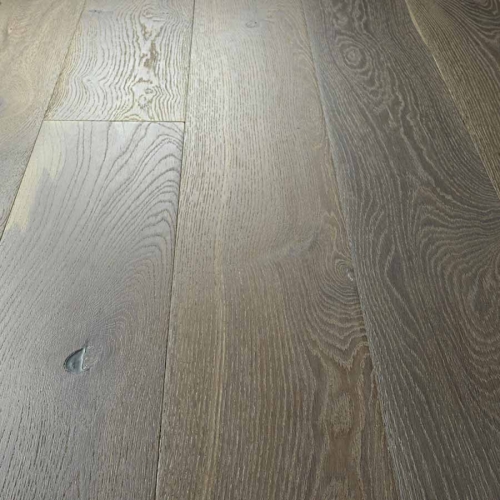
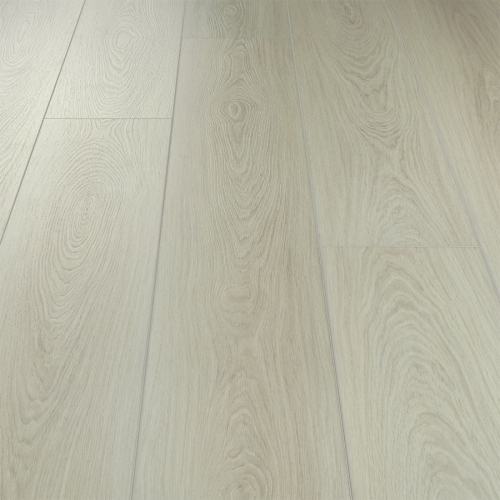
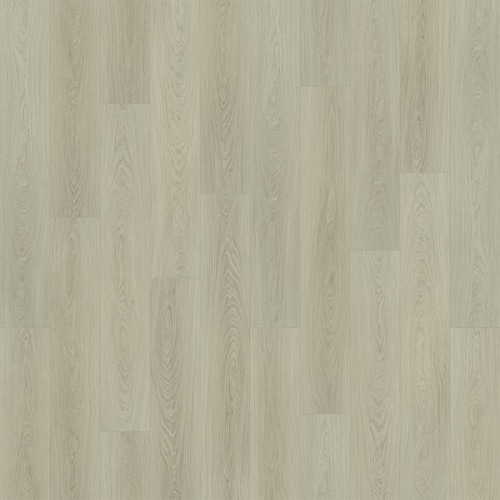
1. White Oak

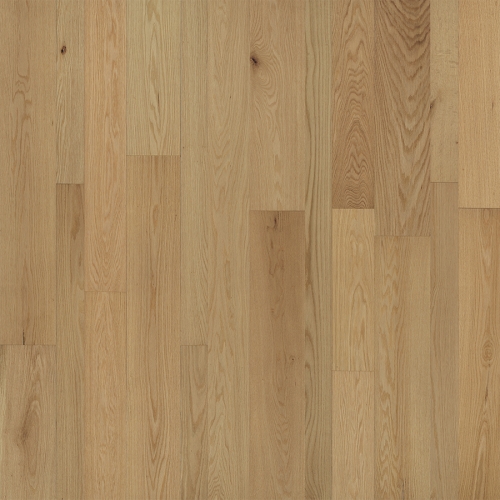
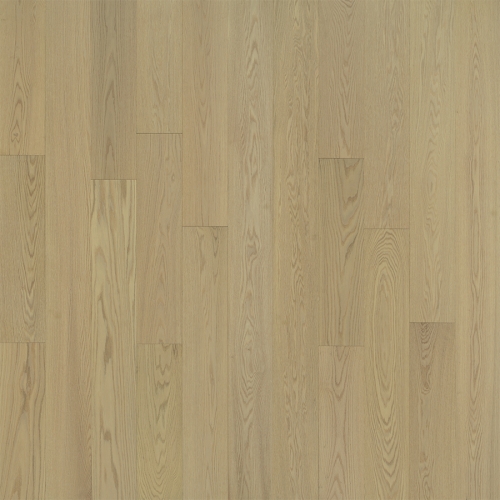
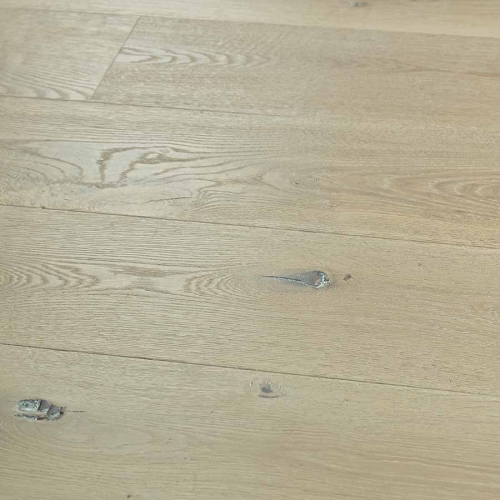
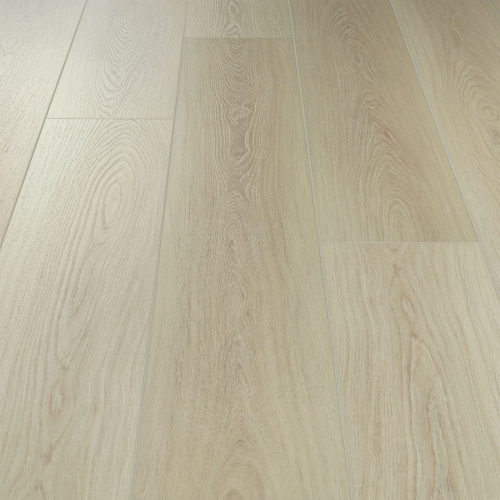
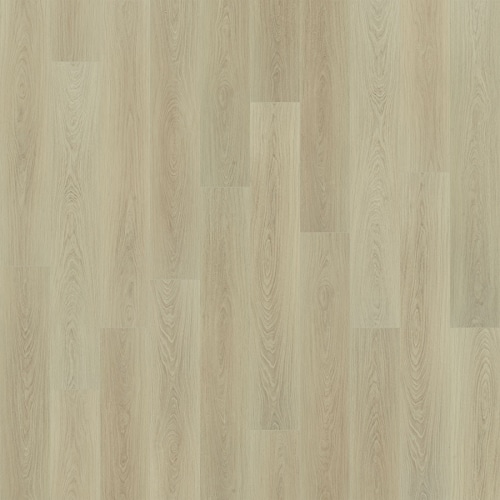
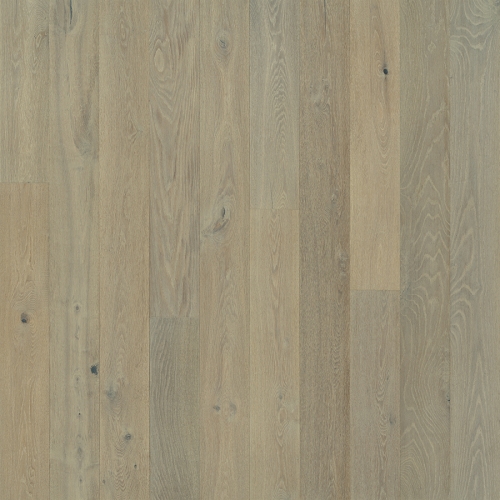
  • Grain: Subtle, linear graining with rays.

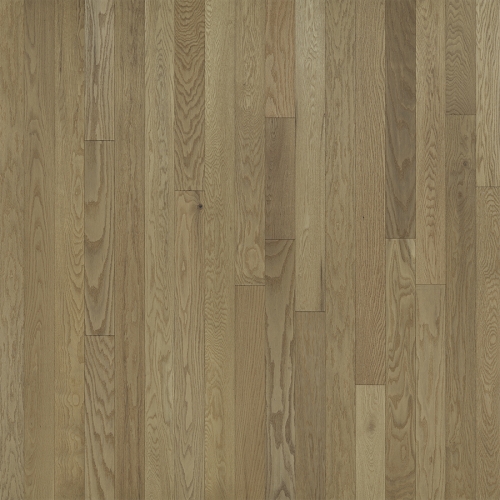
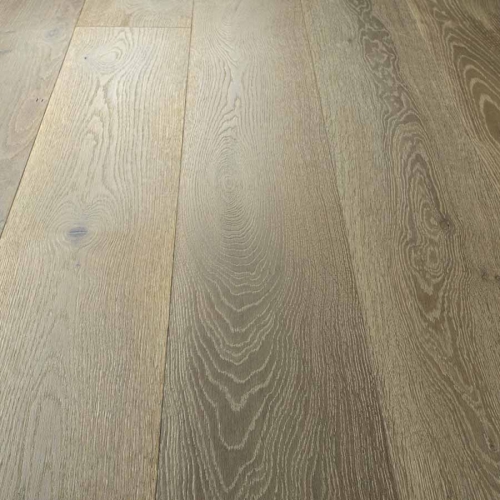
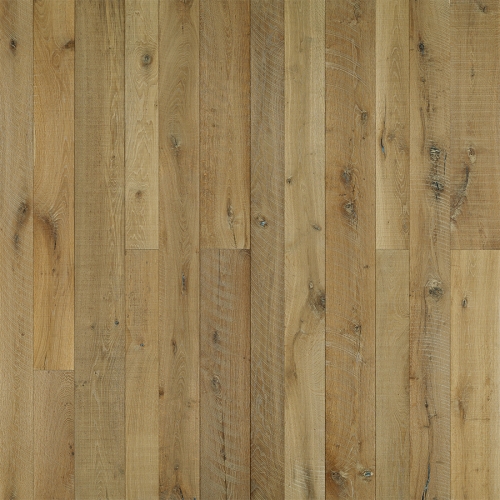
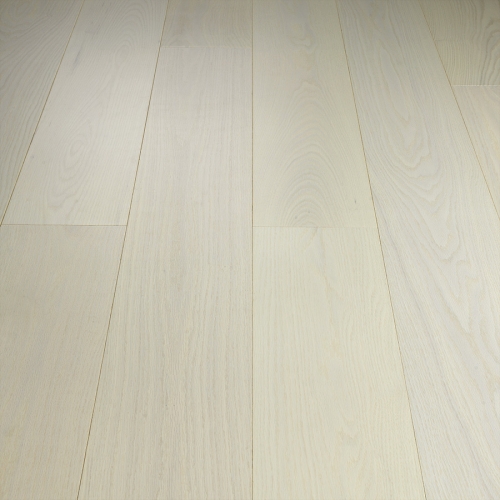
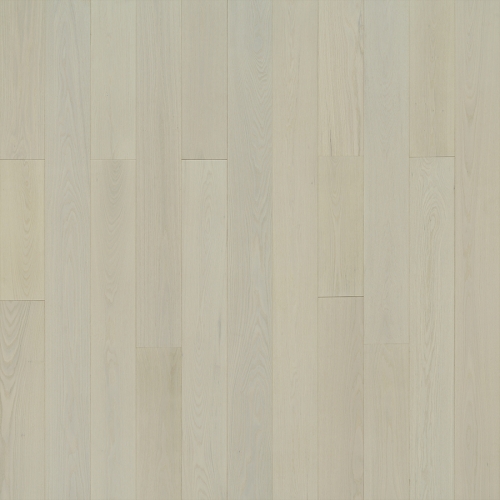
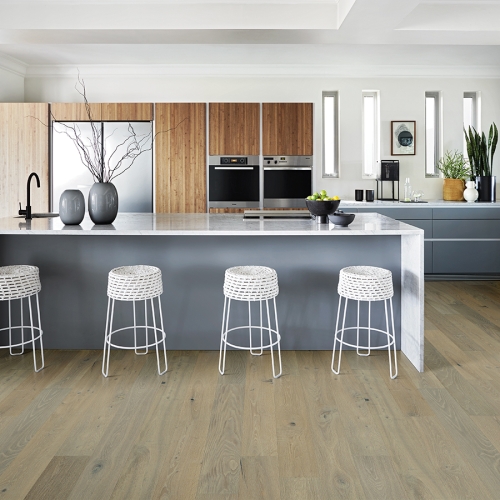
  • Best Usage: Takes light, gray, and neutral stains exceptionally well without reddish undertones.

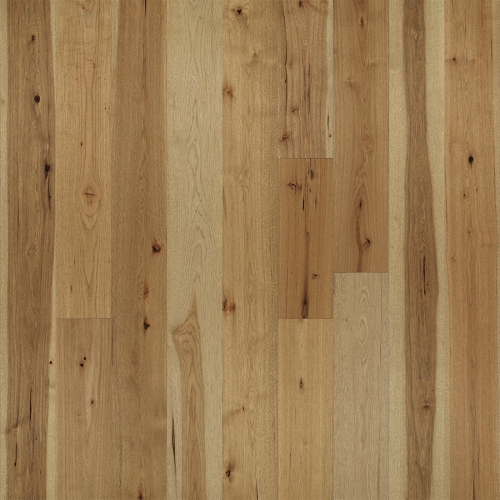
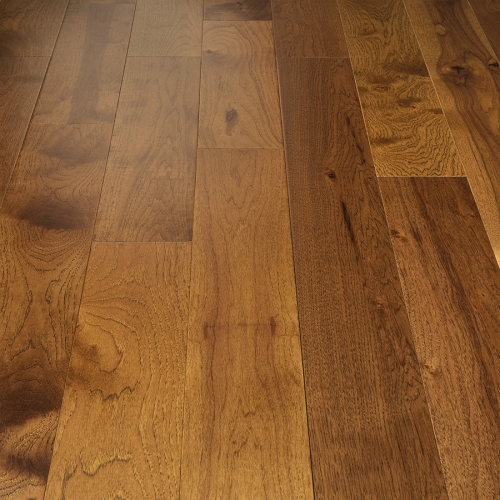
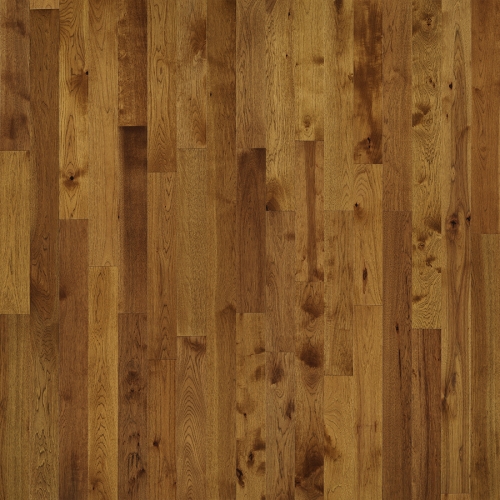
2. Hickory

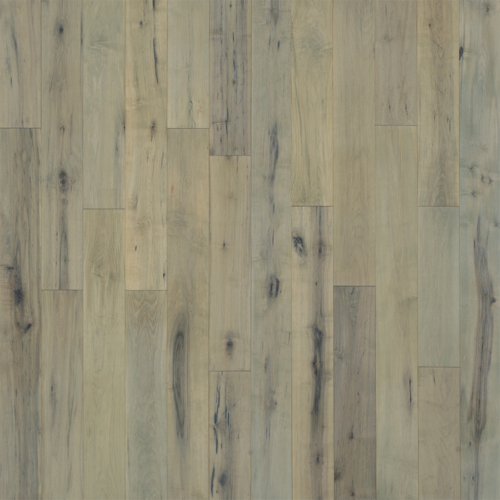
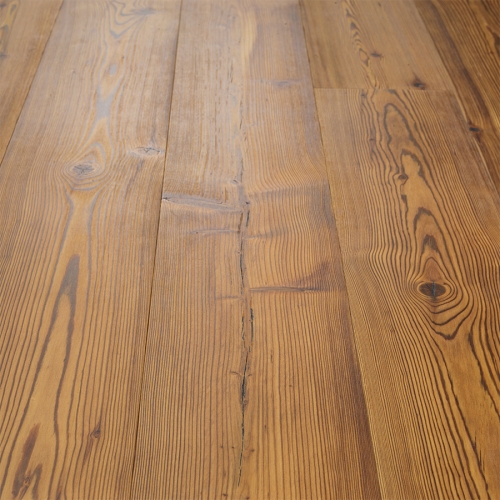
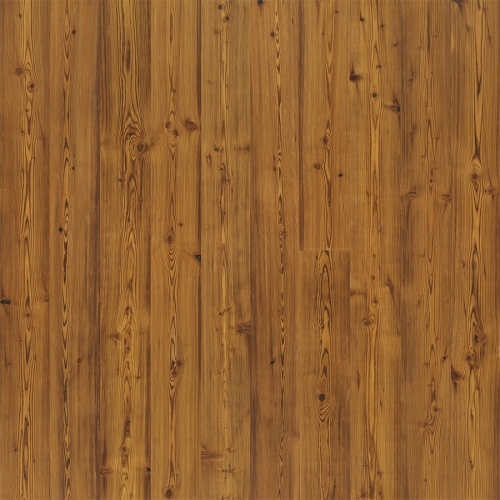
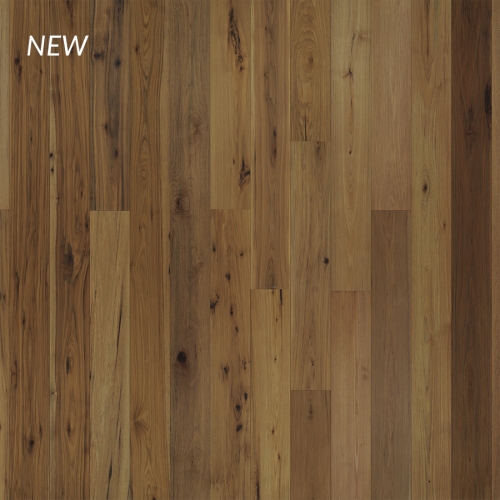
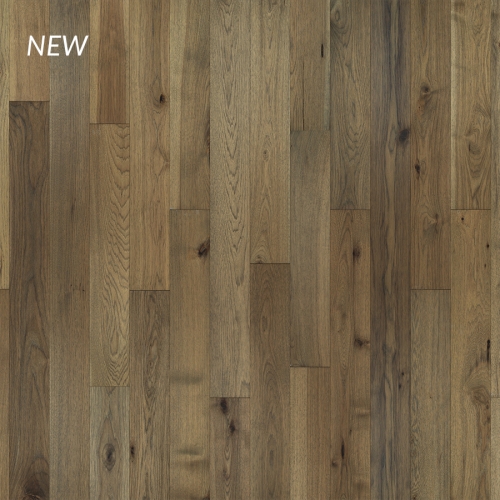
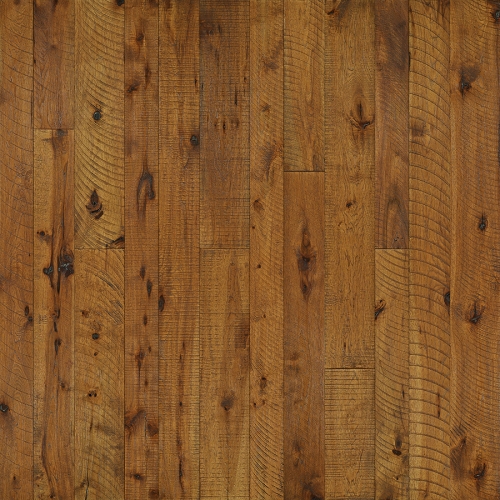
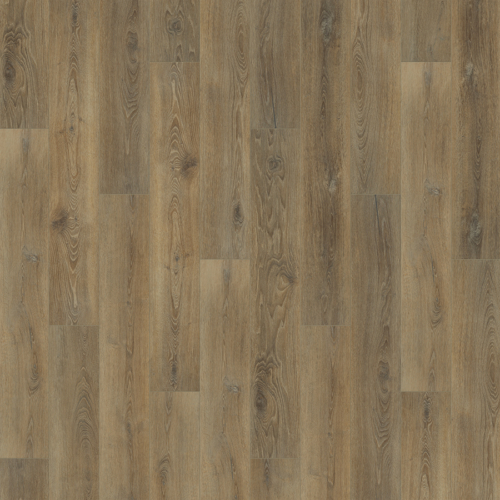
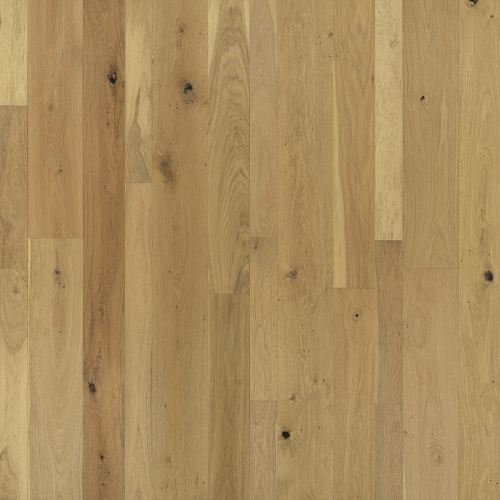
  • Grain: Bold, contrasting natural color variations from cream to dark brown.

  • Best Usage: High-traffic areas, rustic or modern farmhouse aesthetics, and households requiring maximum scratch and dent resistance.

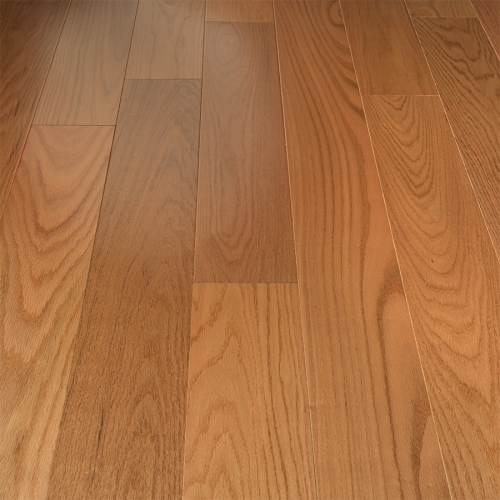
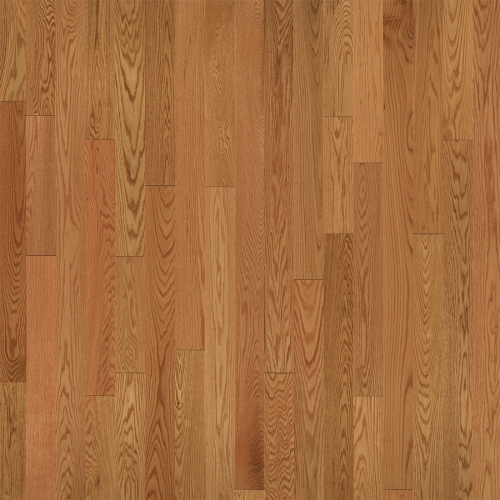
3. Red Oak

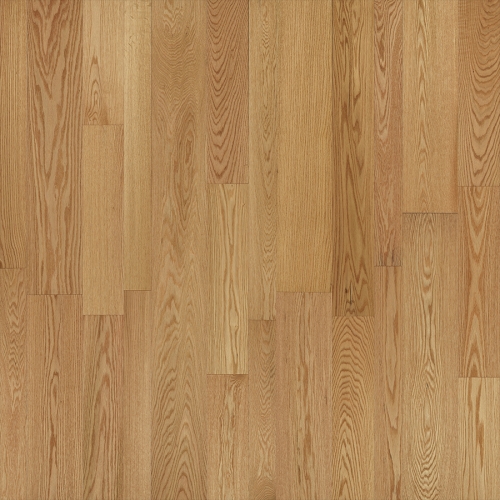
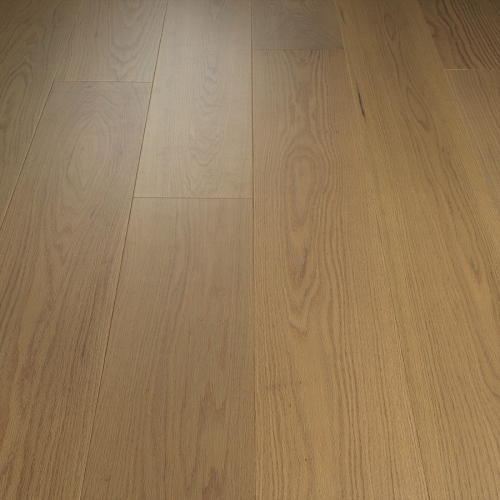
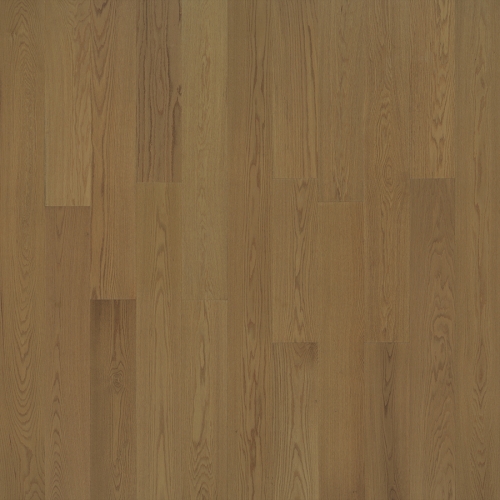
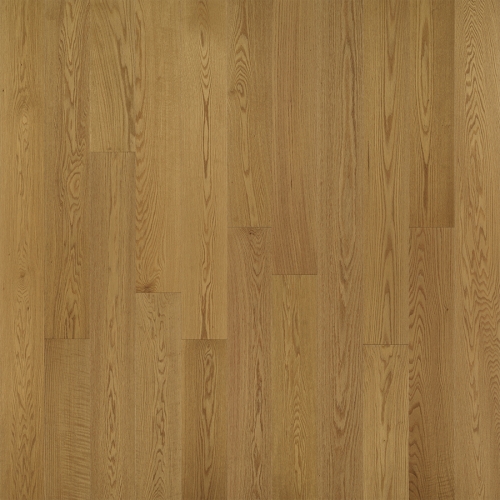
  • Grain: Pronounced, classic graining patterns with warmer undertones.

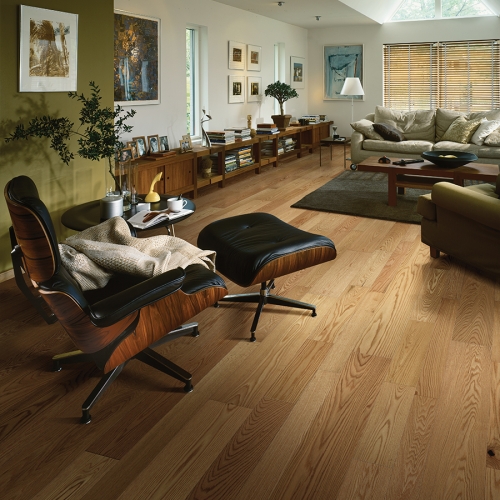
  • Best Usage: Traditional homes seeking a timeless look with strong wear characteristics.

4. Key Factors to Consider Before Buying

1. Subfloor Prep & Acclimation

Wide planks require an exceptionally flat subfloor (typically within $\frac$ inch over a 10-foot radius). Solid planks must acclimate on-site in the installation room for at least 5 to 7 days to adjust to indoor relative humidity (ideally kept between 35% and 55%).

2. Installation Methods

While narrower strips are usually blind-nailed through the tongue, wide planks (especially 5 inches and wider) often require a glue-assist method. Combining pneumatic nails with serpentine beads of elastomeric wood flooring adhesive prevents squeaks, movement, and gaping over time.

3. Surface Finishes & Textures

  • Pre-Finished (Factory Applied): Cured with UV aluminum oxide for superior scratch protection out of the box.

  • Site-Finished: Sanded and stained on site for a continuous, seam-free finish.

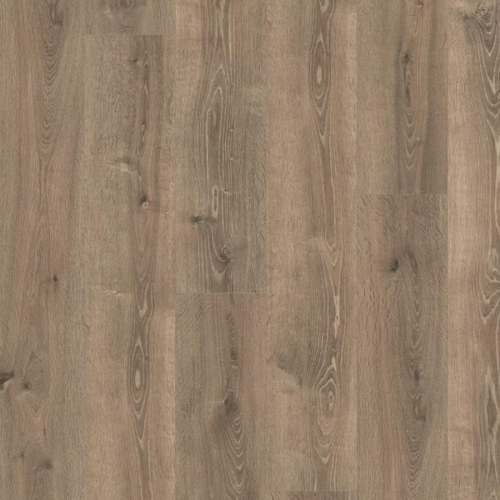
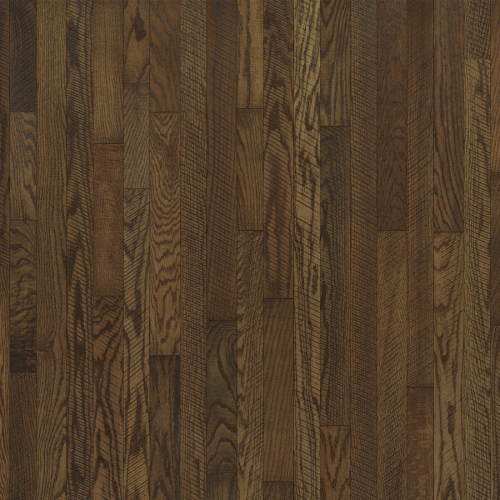
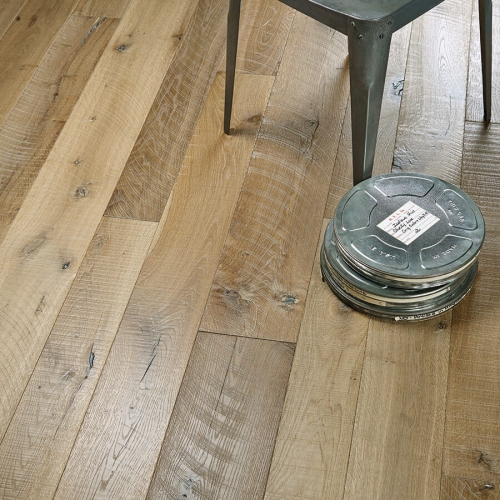
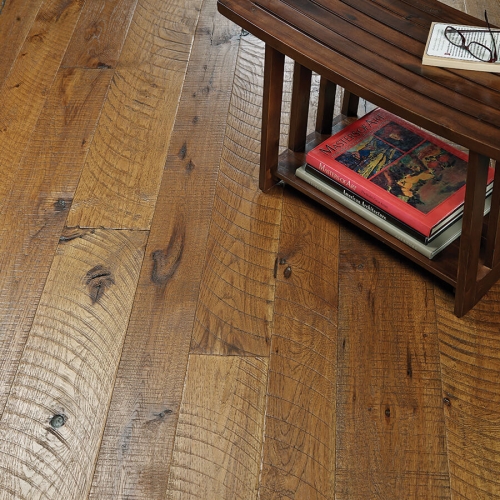
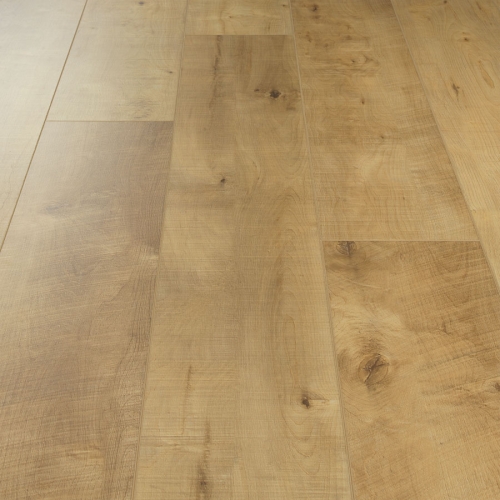
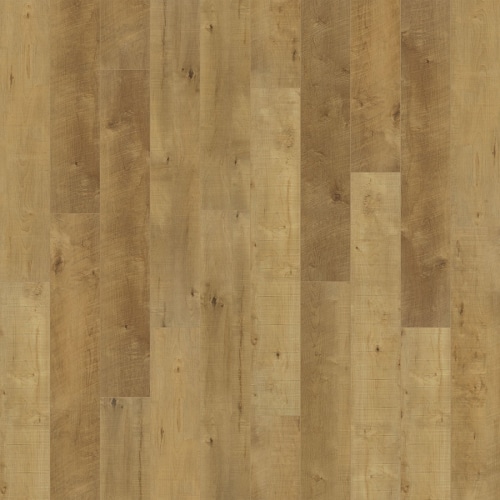
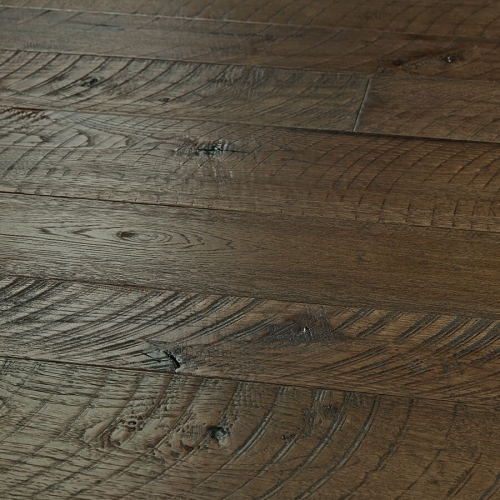
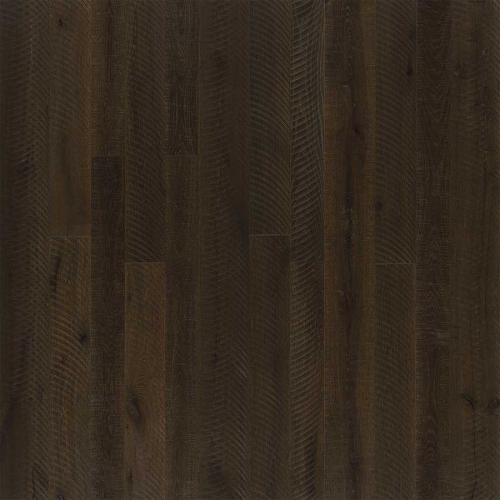
  • Textured Surfaces: Wire-brushed, hand-scraped, or saw-marked textures add character and help mask day-to-day pet scratches and light wear.

Summary Checklist

  • [ ] Choose Engineered for widths over 6 inches or for sub-grade/concrete slab installations.

  • [ ] Verify wear layer thickness if you plan on refinishing in the future.

  • [ ] Confirm glue-assist installation for any plank 5 inches or wider.

  • [ ] Maintain indoor relative humidity between 35%–55% year-round.

Plank Hardwood Flooring

Types, Costs, Pros & Cons

Why Hallmark Floors Is a Premier Choice for Wide Plank Engineered Wood

When selecting wide plank engineered hardwood, manufacturing quality and stability are paramount. Among leading brands, Hallmark Floors consistently stands out as a top-tier choice for homeowners, interior designers, and contractors alike.

   HALLMARK FLOORS ADVANTAGE
 ┌──────────────────────────────────────────────┐
 │  NuOil® & Surface Glide Finishes             │
 │  Multi-ply Core for Maximum Stability        │
 │  Sustainably Harvested Premium Hardwoods     │
 └──────────────────────────────────────────────┘

1. Proprietary Finish Technology (NuOil®)

One of Hallmark’s biggest differentiators is its revolutionary NuOil® hybrid oil finish. Unlike traditional surface coatings that sit on top of the wood and show scratches easily, NuOil® penetrates deep into the wood fibers while forming a protective top barrier. This creates a rich, natural matte sheen with superior stain and scratch resistance—making it ideal for busy homes with children and pets.

2. Industry-Leading Structural Stability

Wide planks naturally carry a higher risk of expanding, contracting, or cupping with humidity changes. Hallmark mitigates this by pairing thick, premium hardwood wear layers with precision-engineered multi-ply cores. Their cross-grained core construction neutralizes natural wood movement, allowing you to install ultra-wide planks (up to 7.5″ and wider) over concrete slabs, in basements, or over radiant heat systems with total confidence.

3. Distinctive Craftsmanship Across Collections

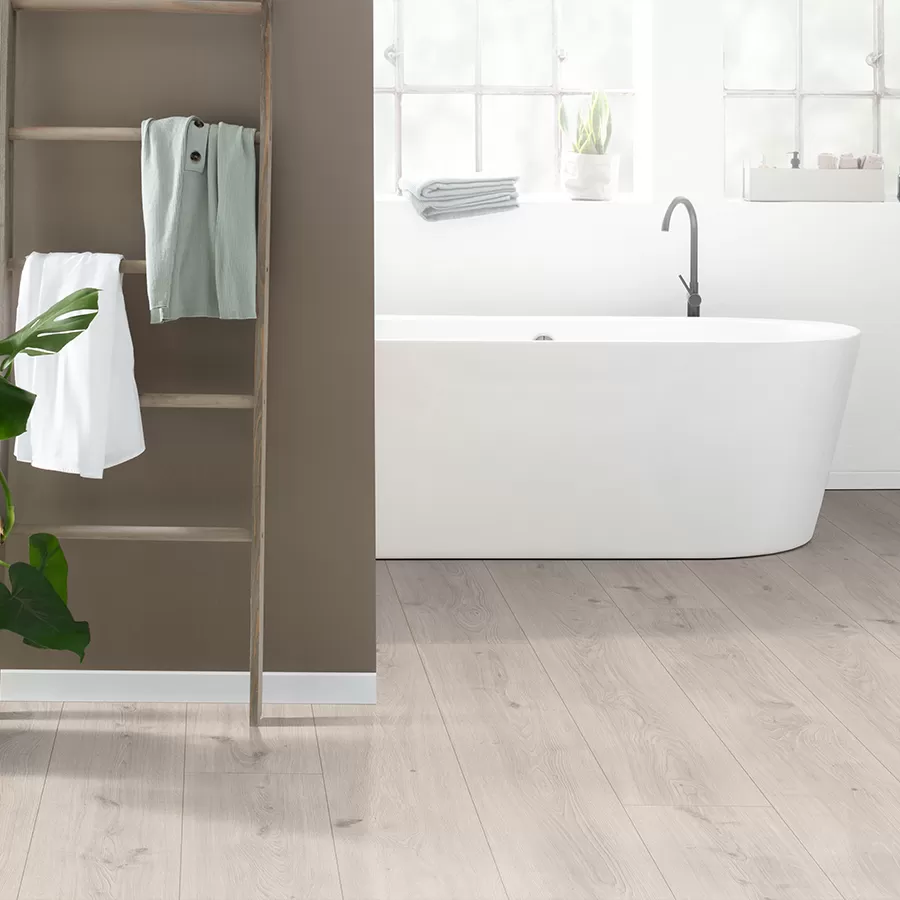
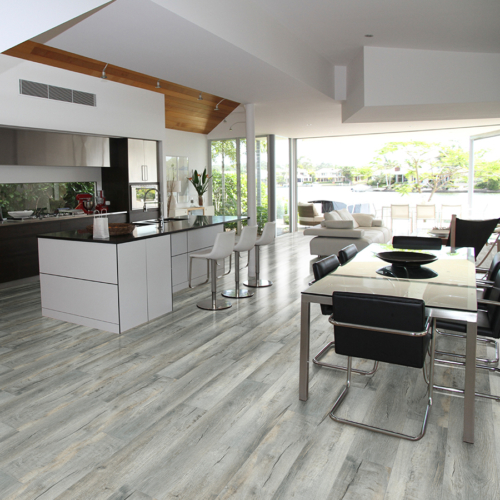
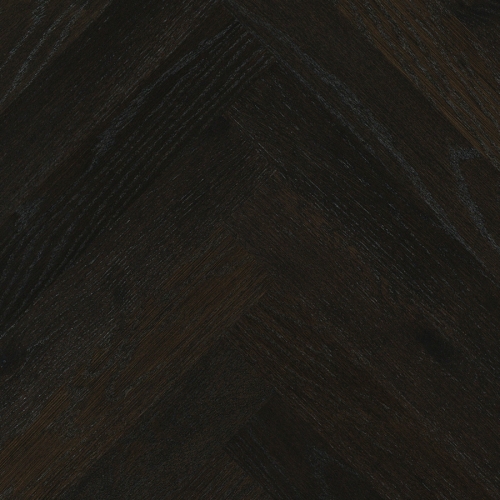
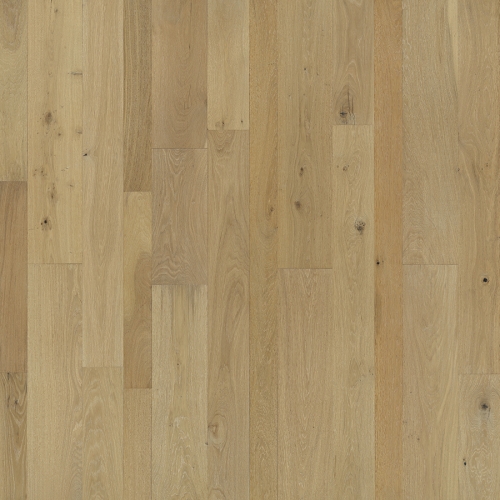
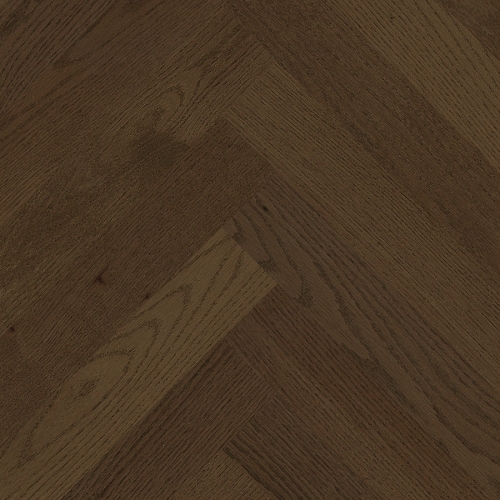
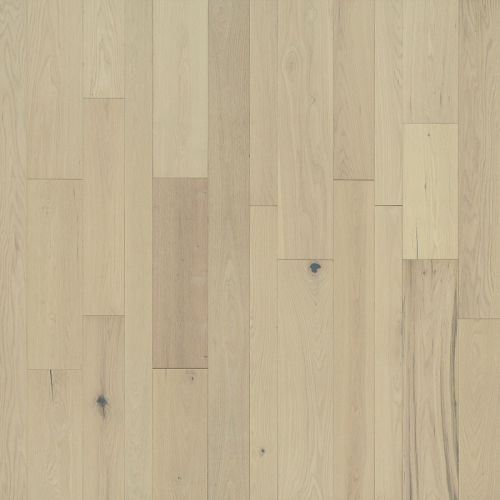
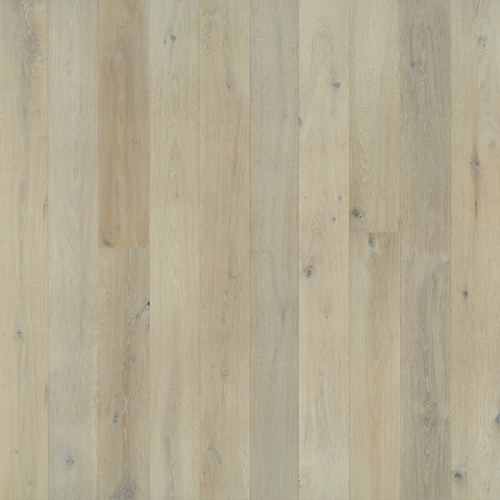
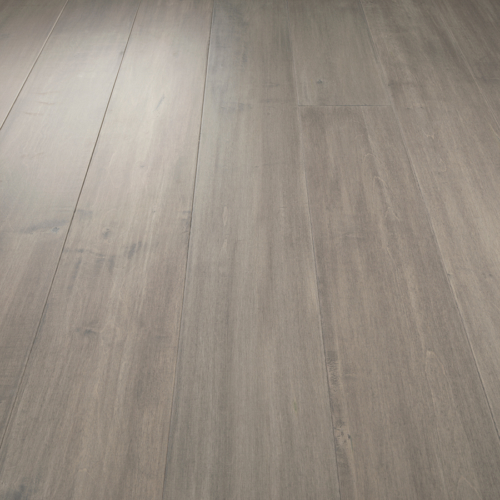
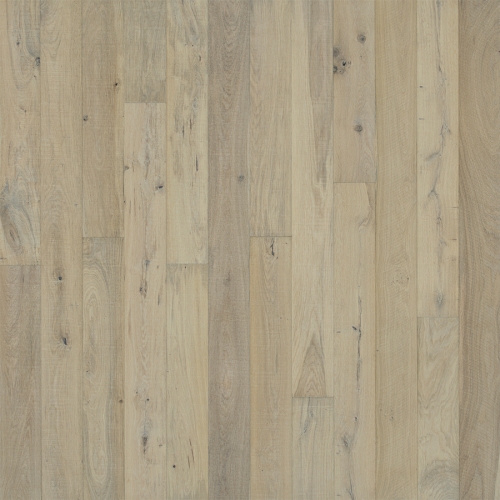
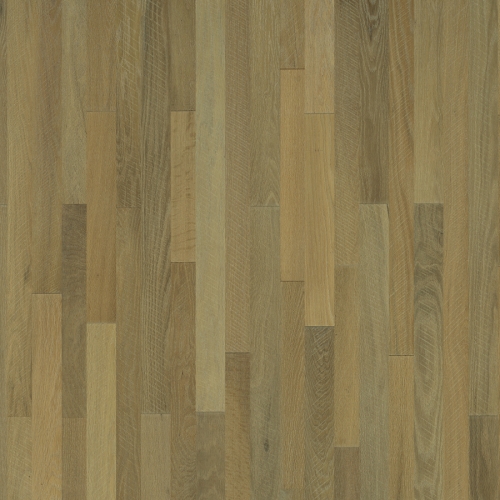
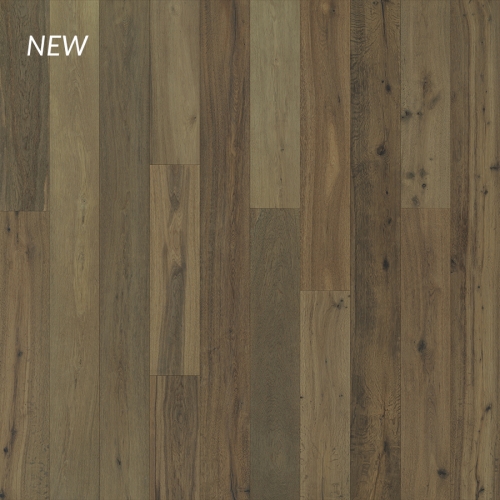
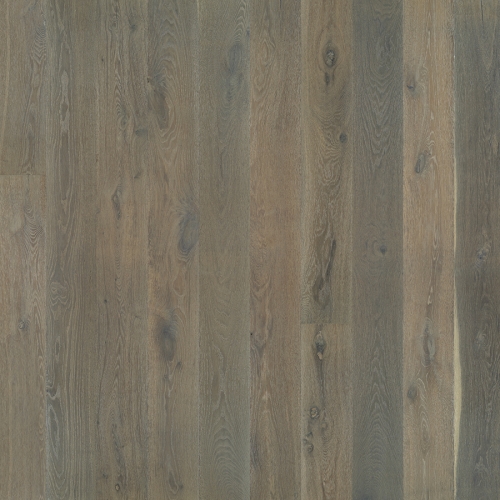
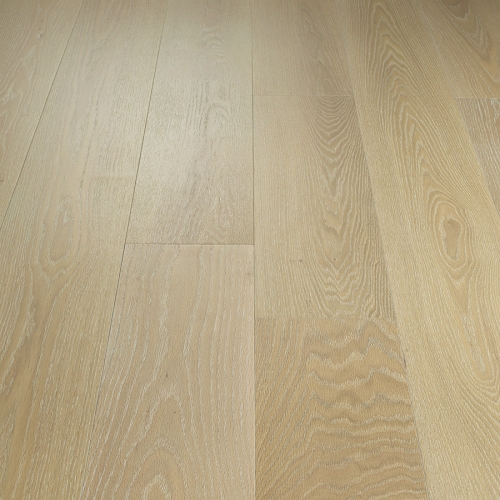
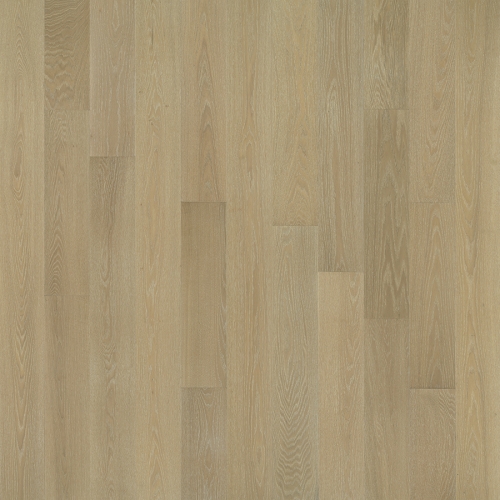
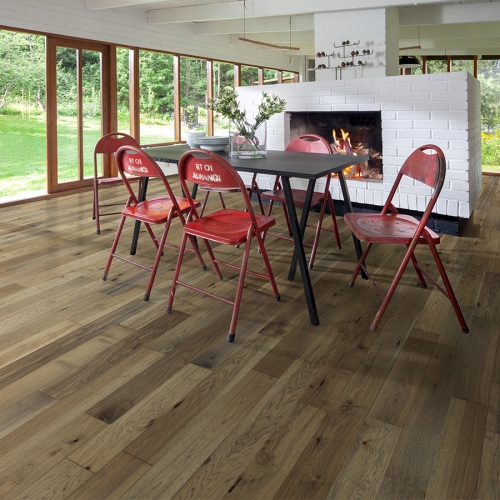
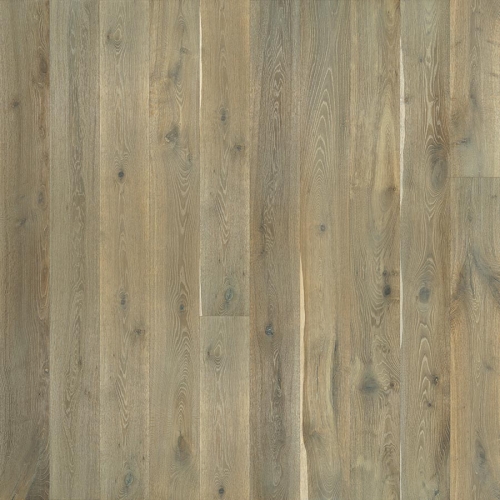
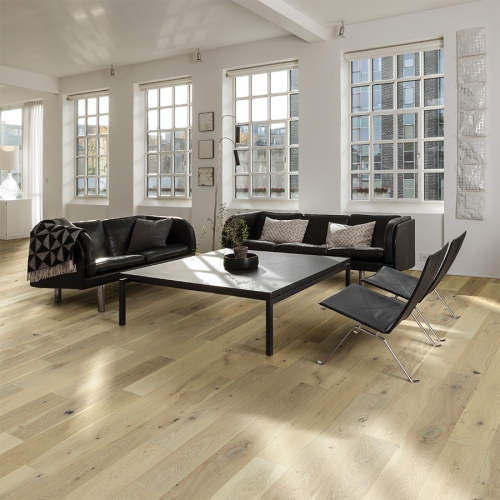
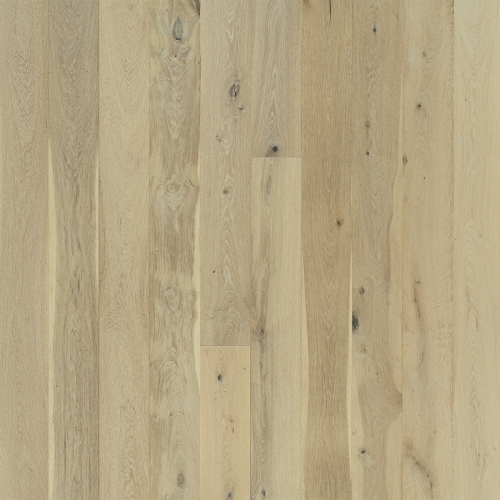
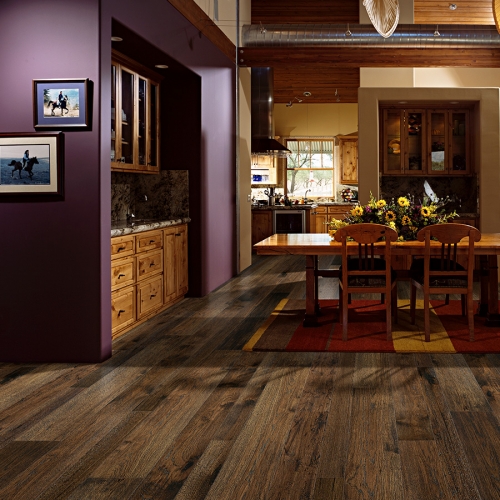
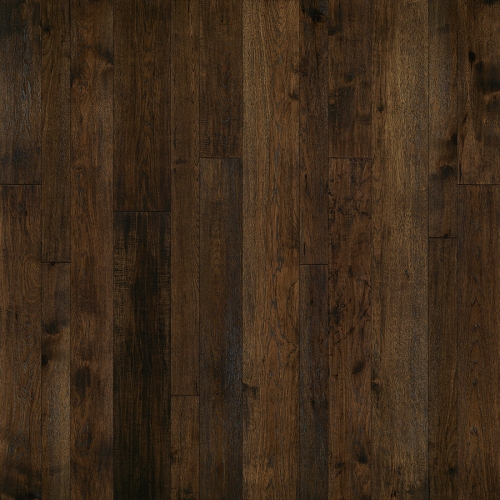
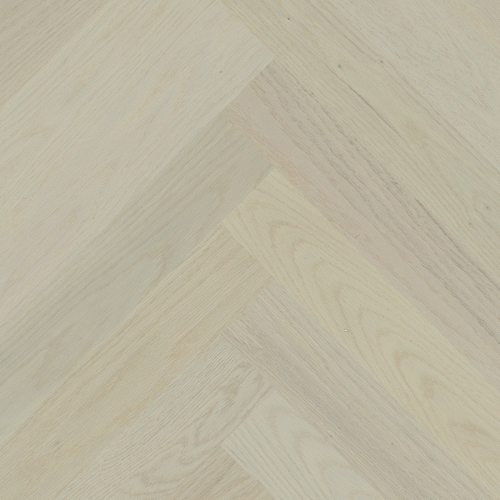
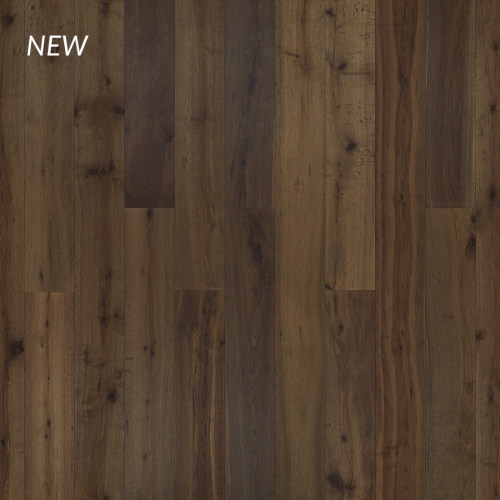
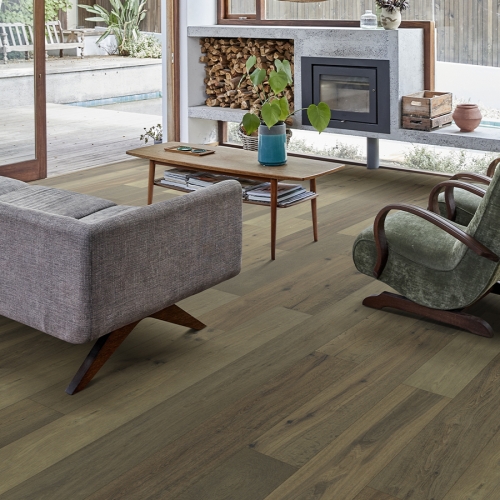
Hallmark offers a wide variety of architectural collections tailored to modern design trends—ranging from light, airy White Oaks in wire-brushed finishes to rich, heavily textured Hickories. Popular lines like Alta Vista, Monterey, and Serenity feature handcrafted elements such as wire-brushing, saw marks, and smoked effects that bring out the true depth and character of the wood grain.

4. Commitment to Air Quality and Sustainability

All Hallmark engineered hardwood collections are FloorScore® certified and comply with strict indoor air quality standards (including CARB Phase 2 and TSCA Title VI). Their products emit ultra-low VOCs, ensuring that your new floor is as healthy for your indoor living space as it is beautiful.