Hardwood vs. Engineered Wood: A Homeowner’s New Guide in 2026
Solid Hardwood and Modern Alternatives
I –INTRODUCTION
Hardwood and flooring, in plain layman’s comprehension many decades ago, are two words meant to describe “hardwood” and “flooring” as the same exact thing but in reality, as we know today, each word is different from the other. The word hardwood is the material type while flooring is described as the area or section of your home for instance where hardwood can be used such as the kitchen.
Choosing between solid hardwood and modern alternatives is one of the most significant decisions a homeowner will make. While the aesthetic goal—the warm, inviting look of wood—is often the same, the structural reality of these materials dictates how they will perform under the pressure of daily life, pets, and fluctuating humidity.
Solid Hardwood Installations
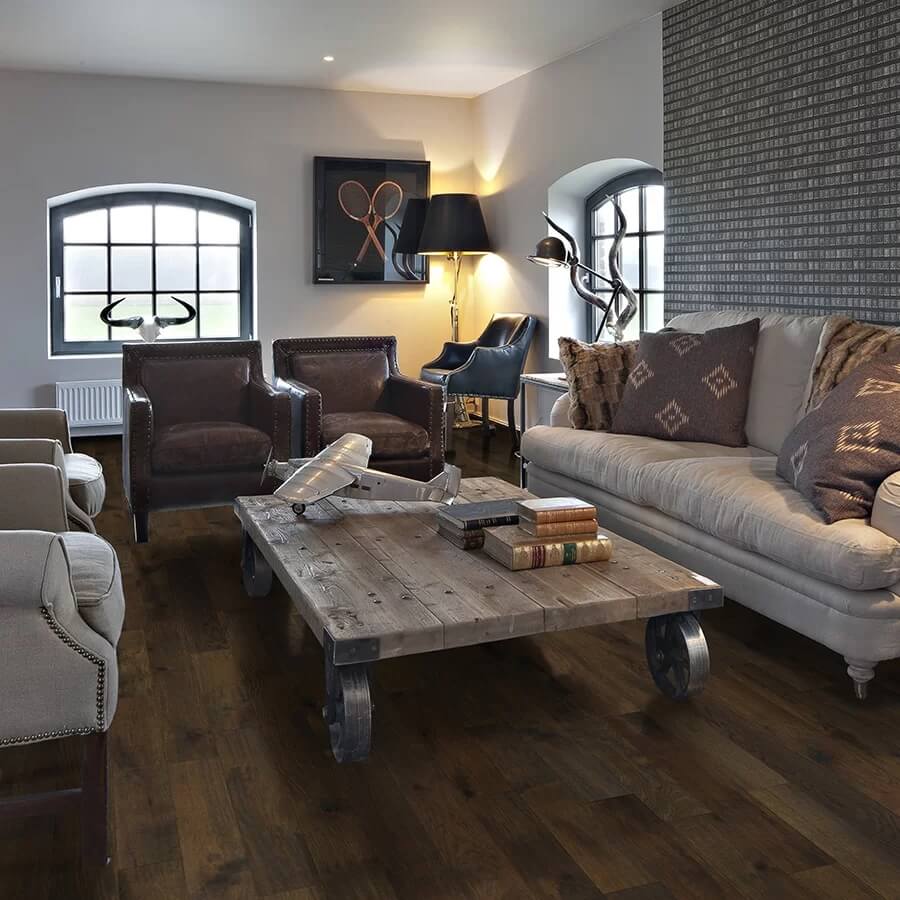
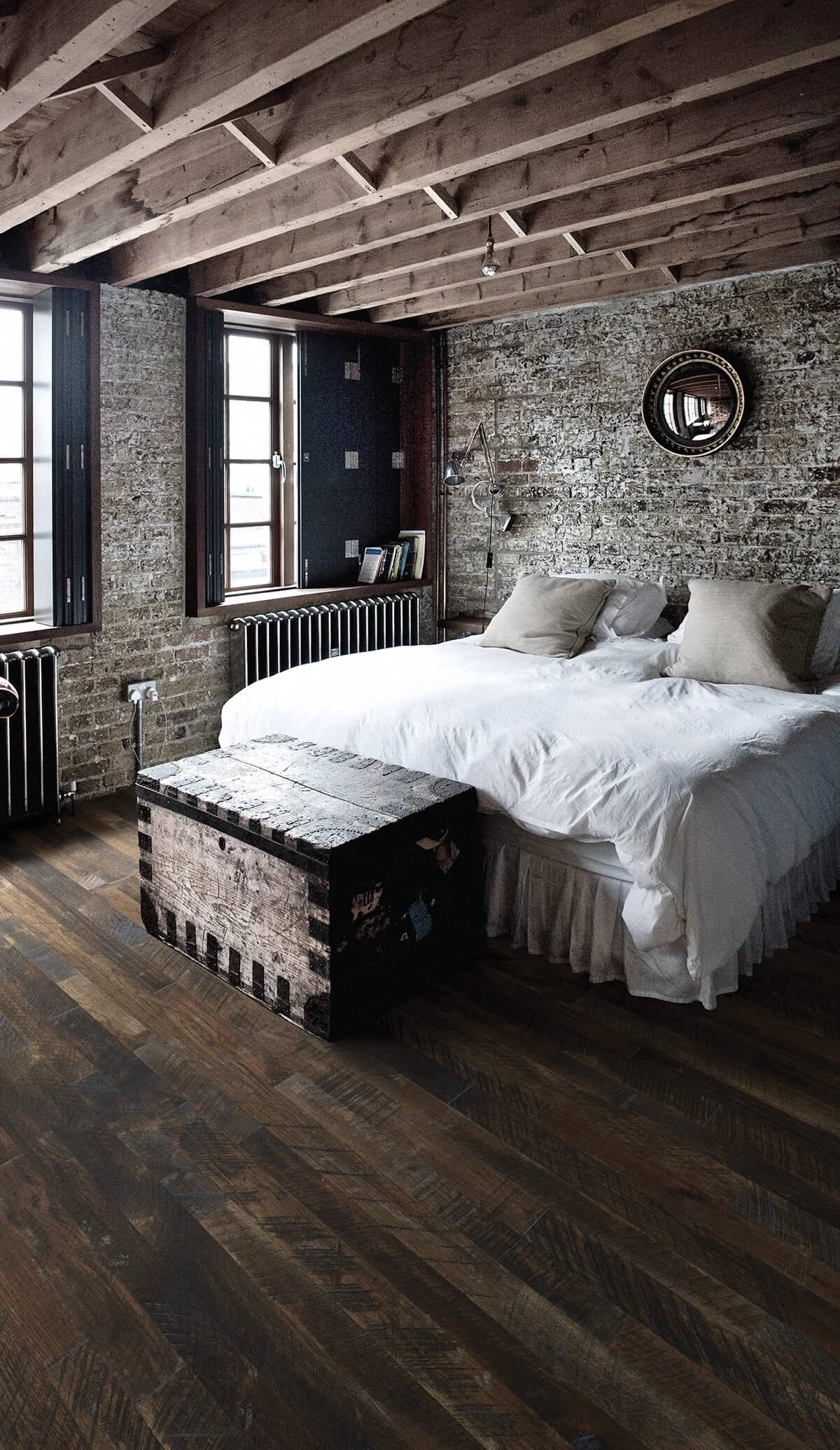
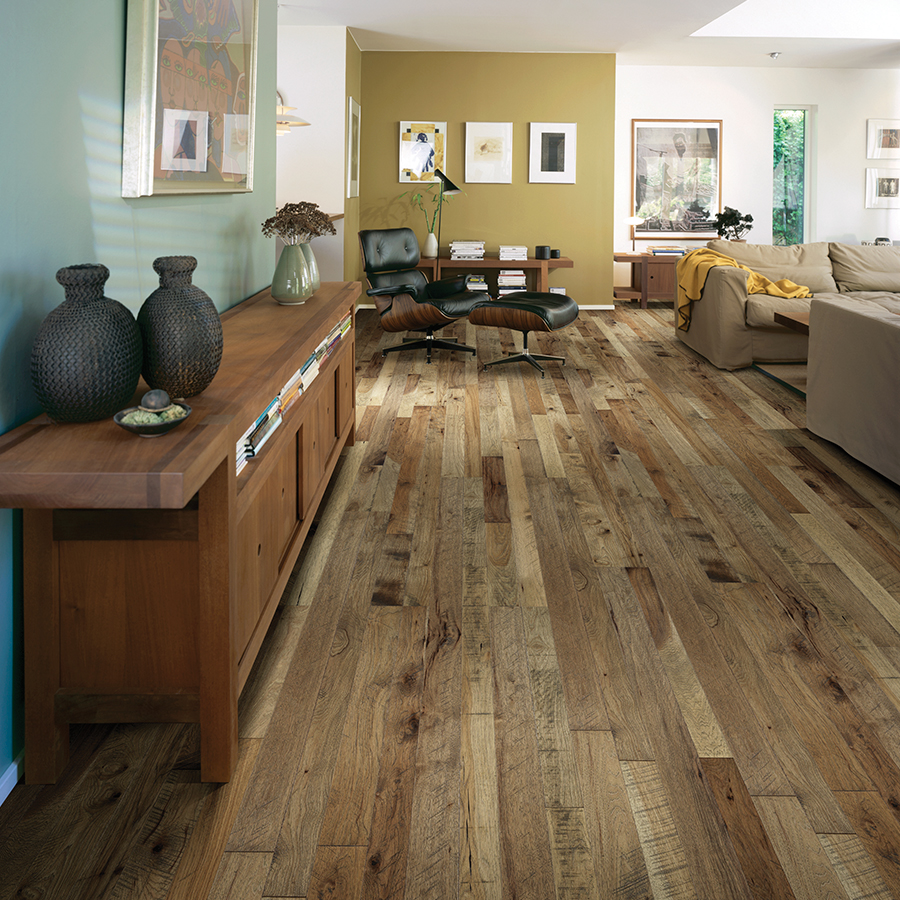
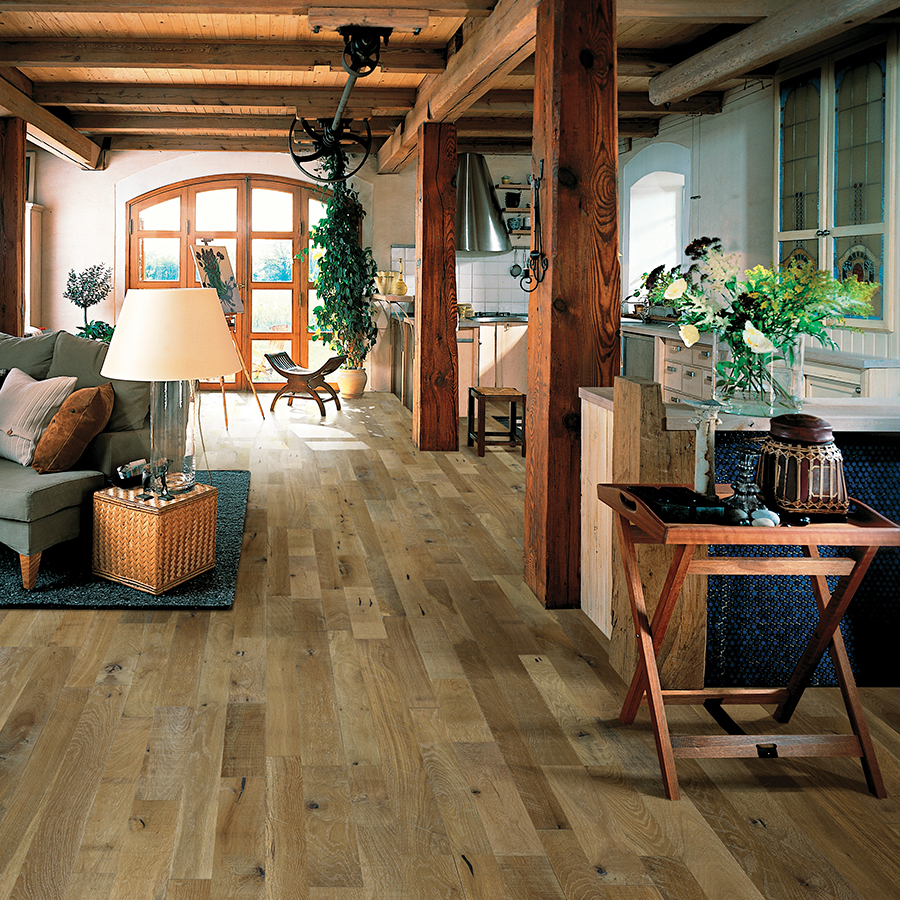
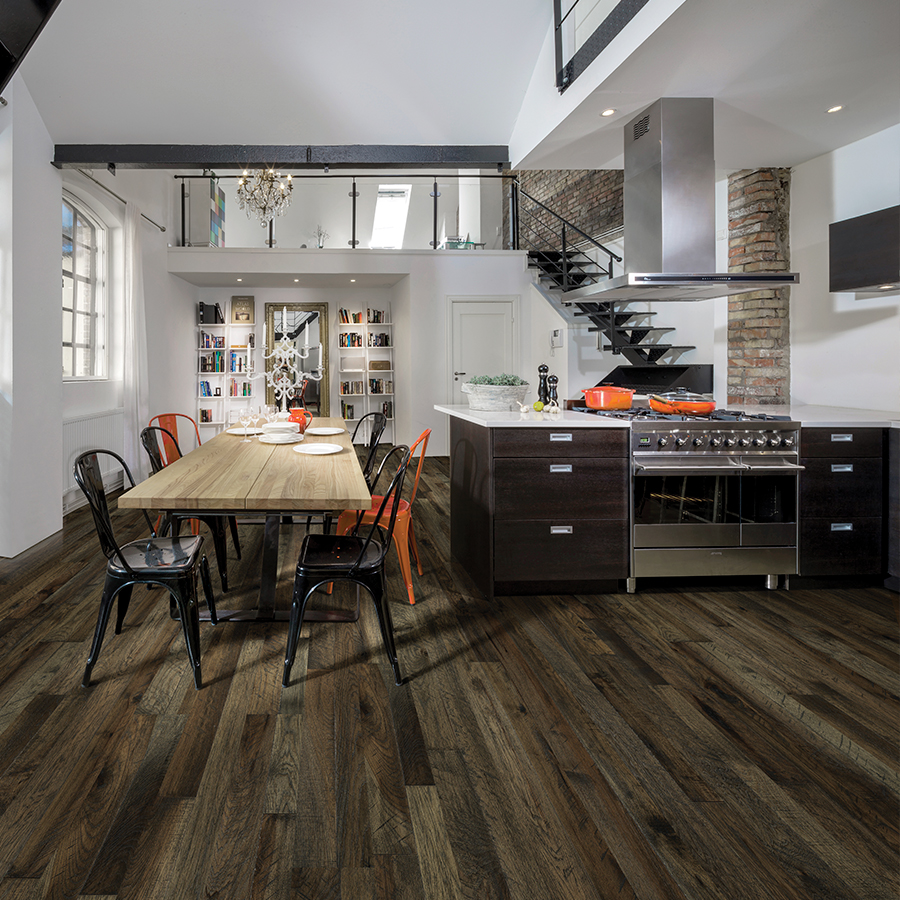
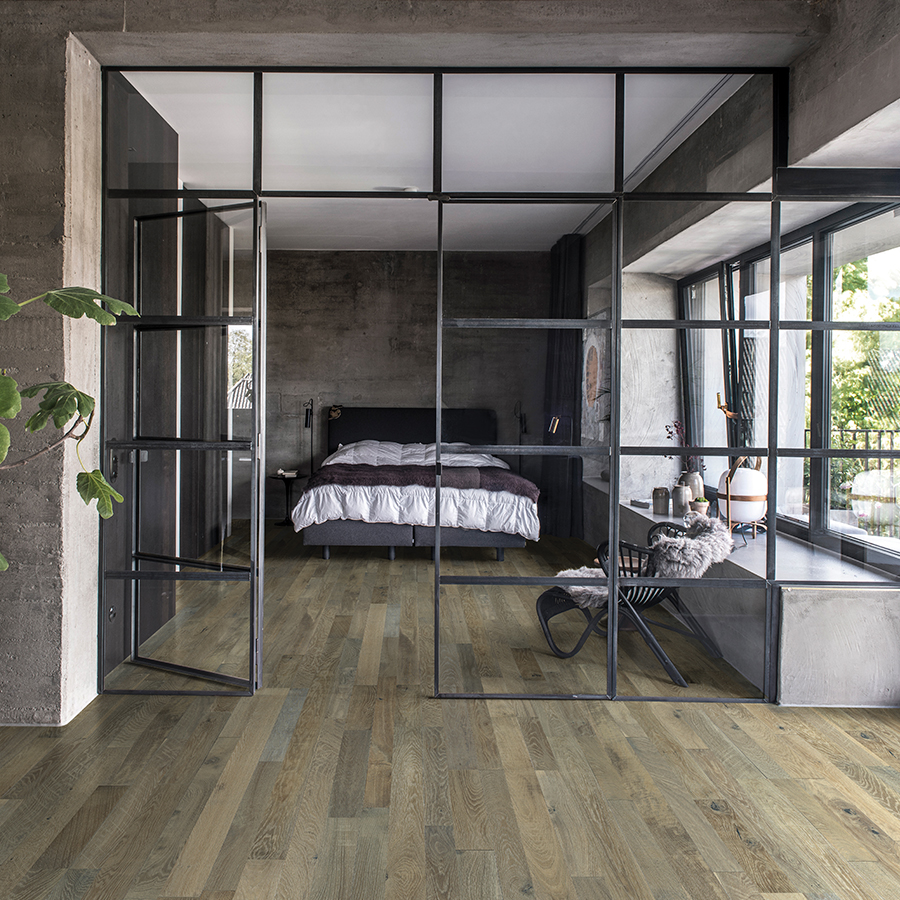
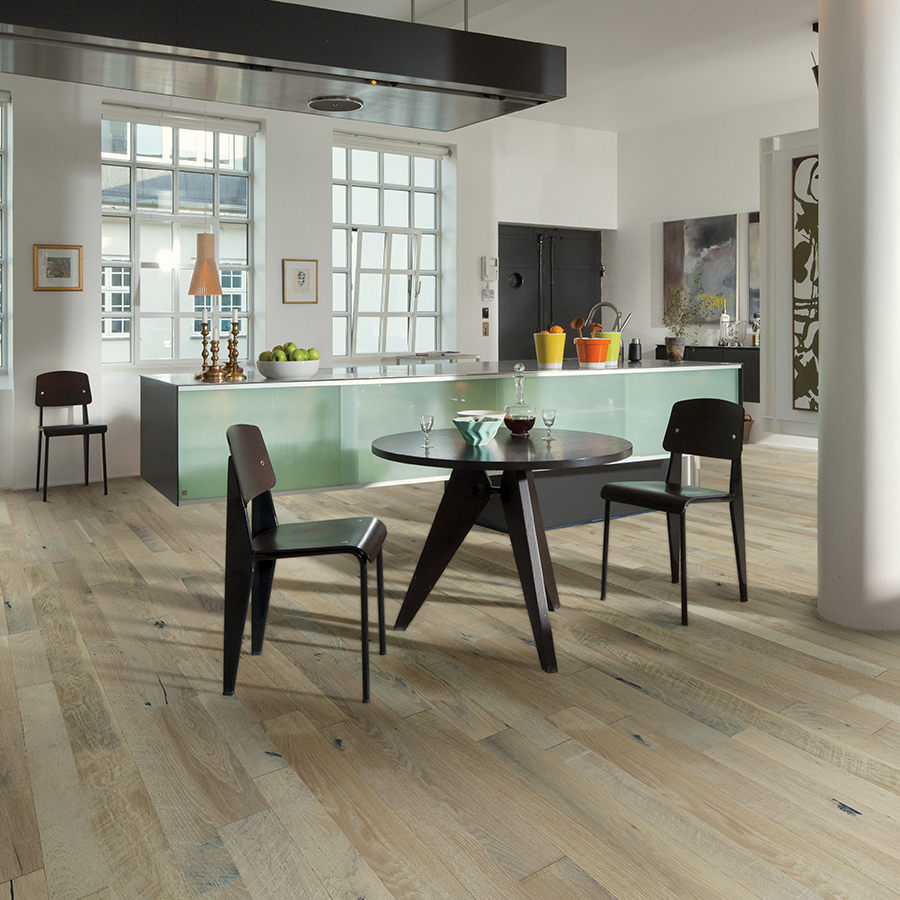
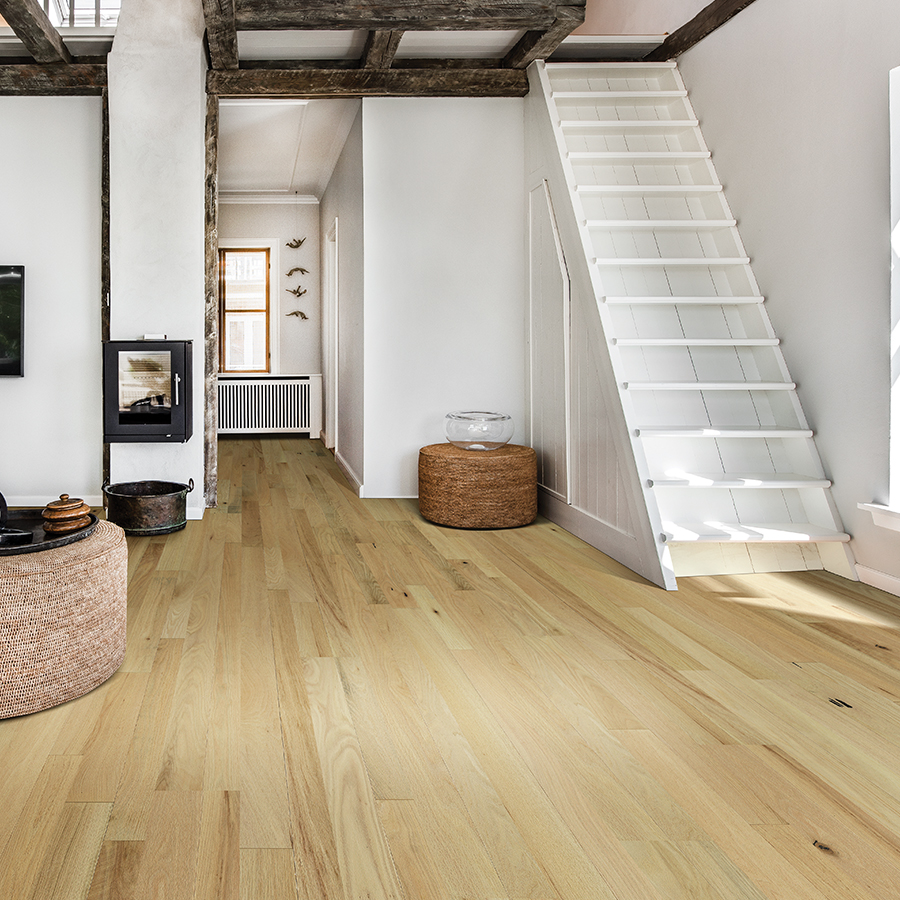
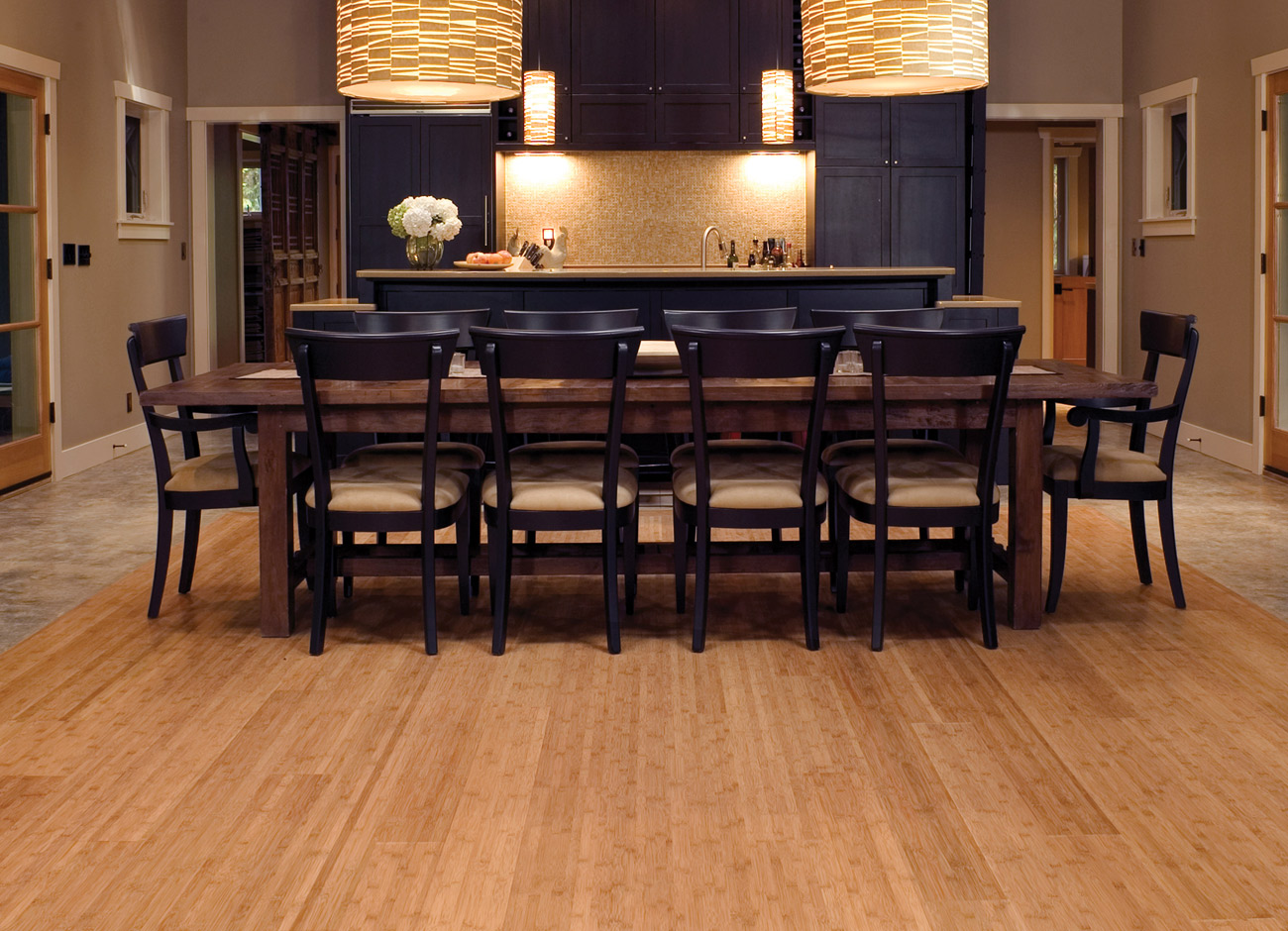
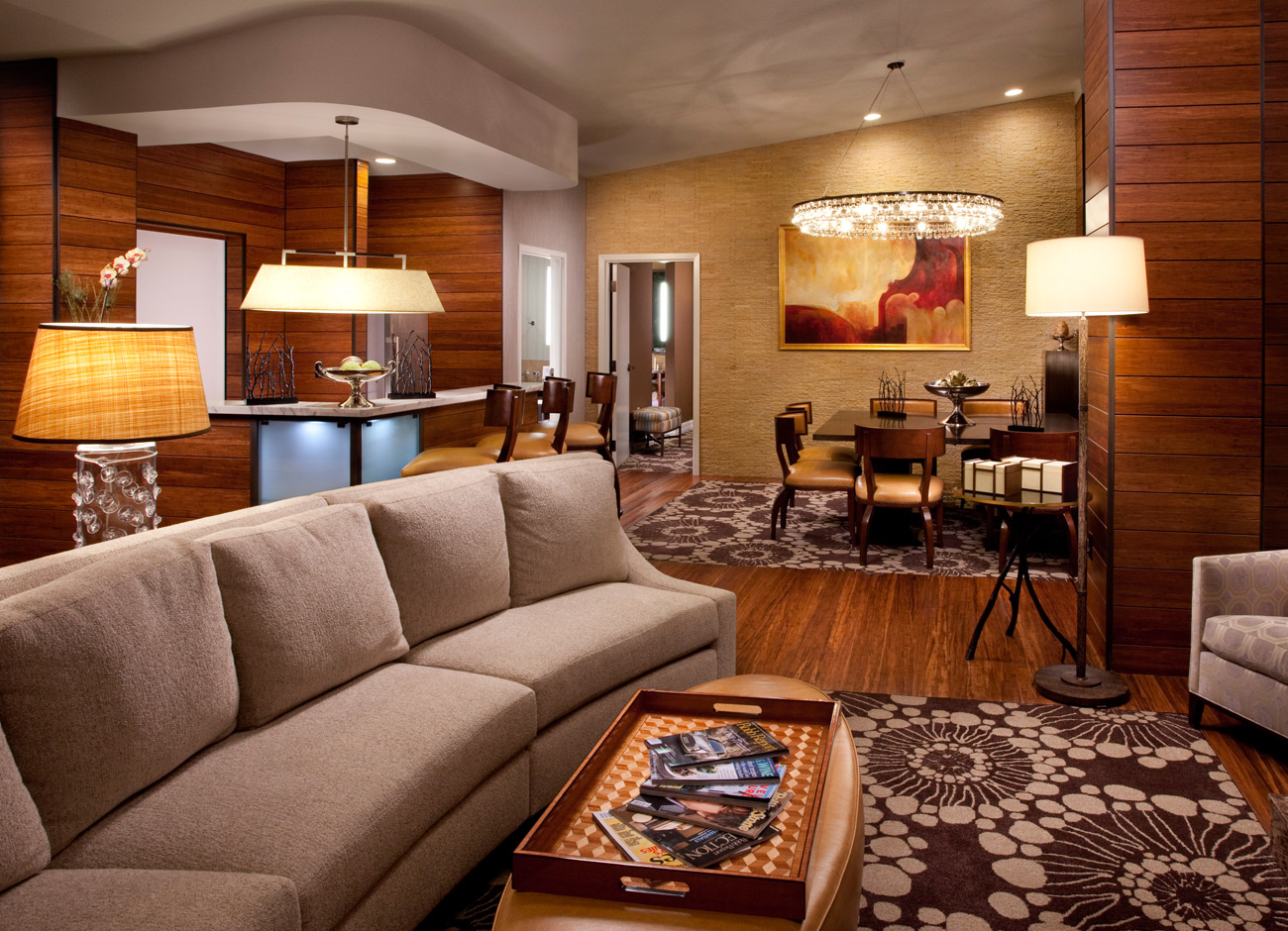
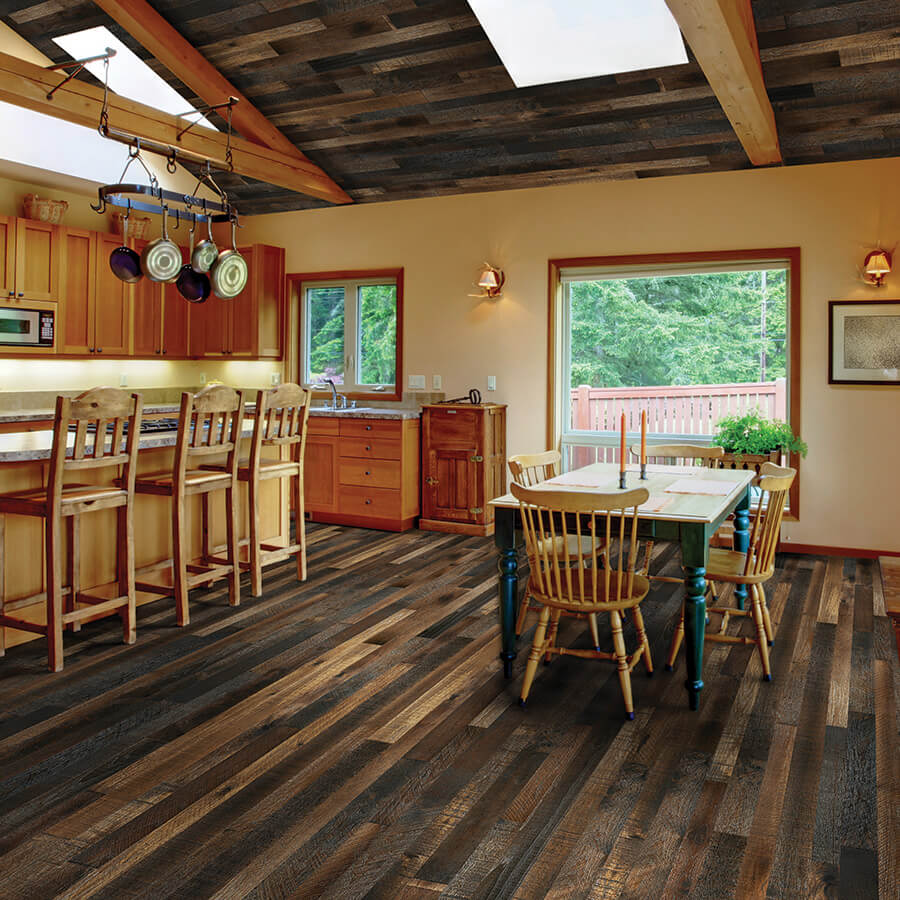
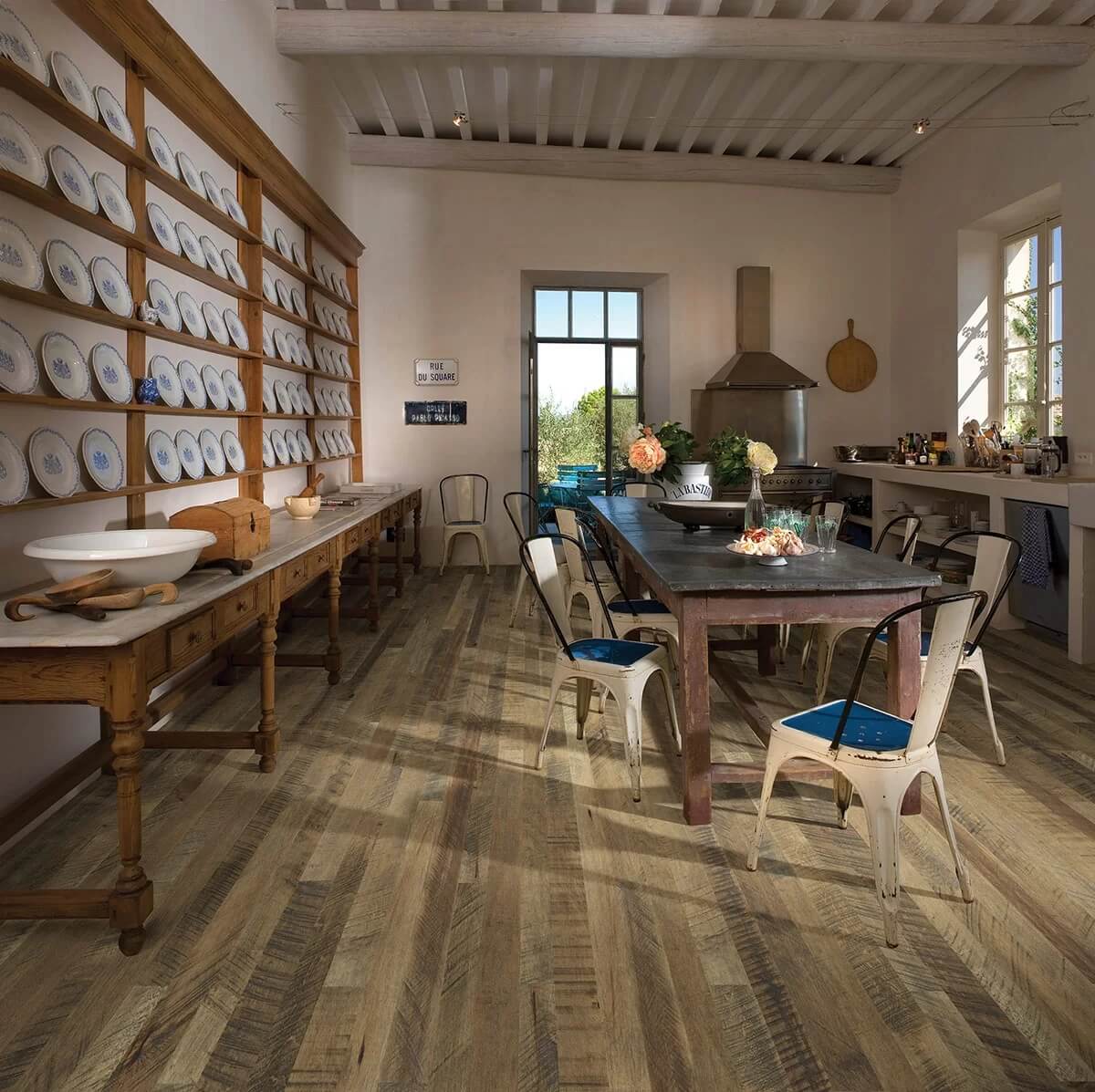
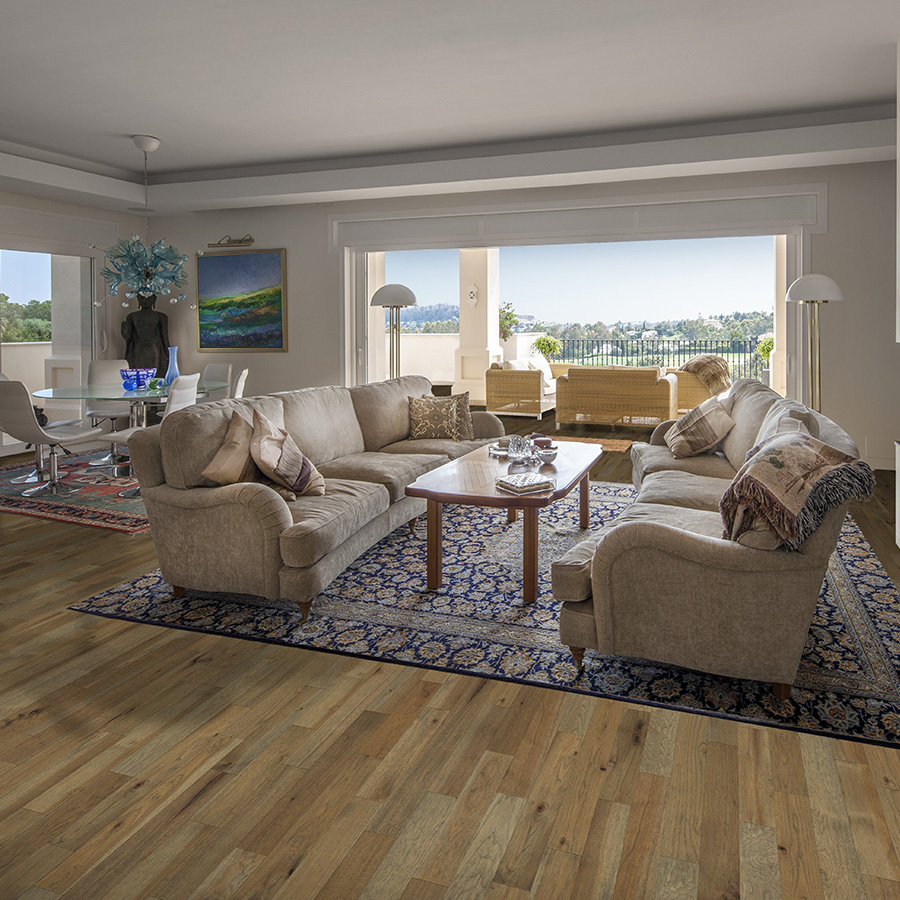
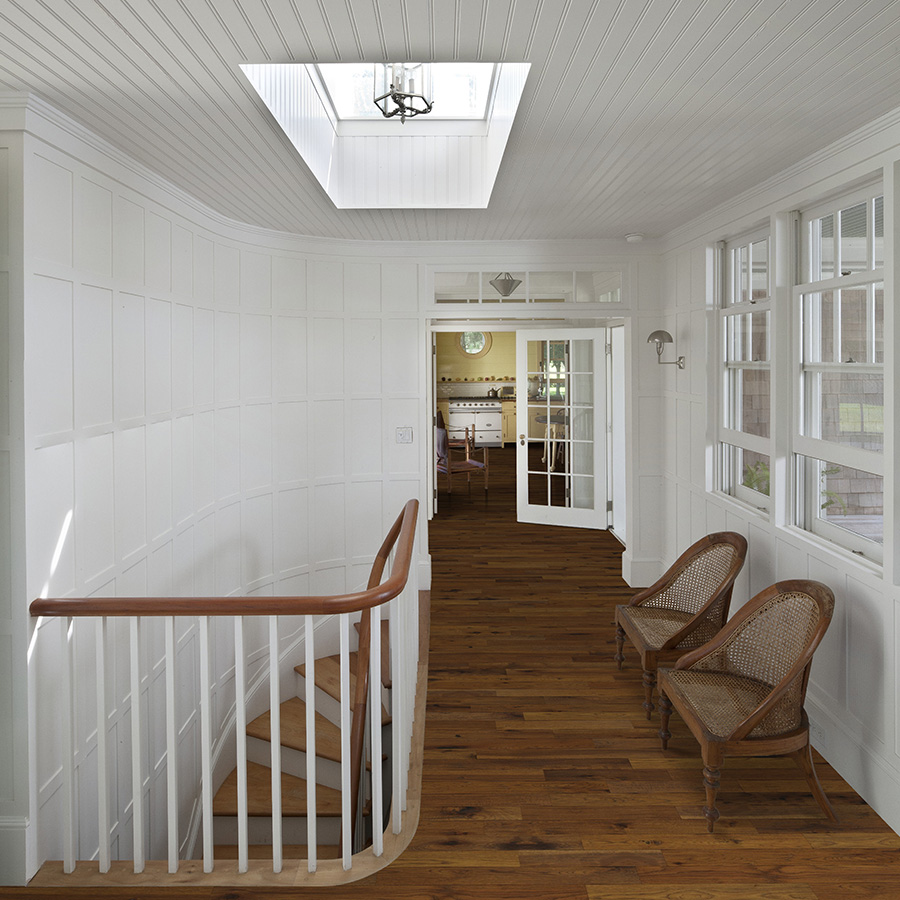
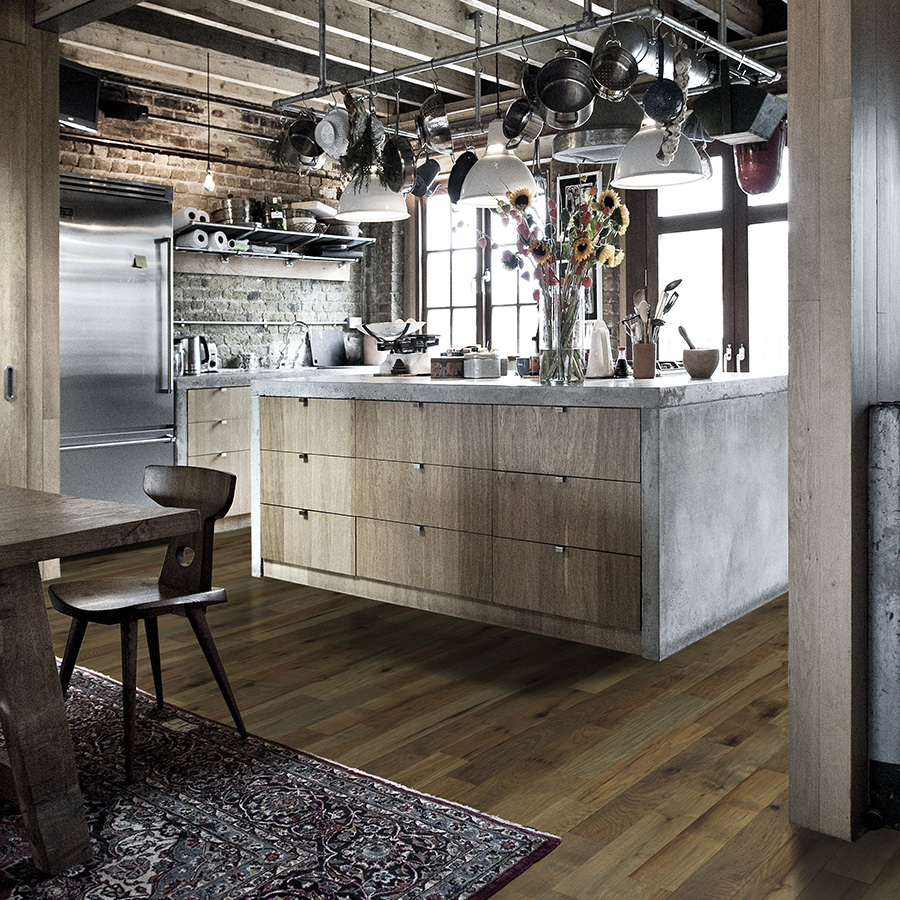
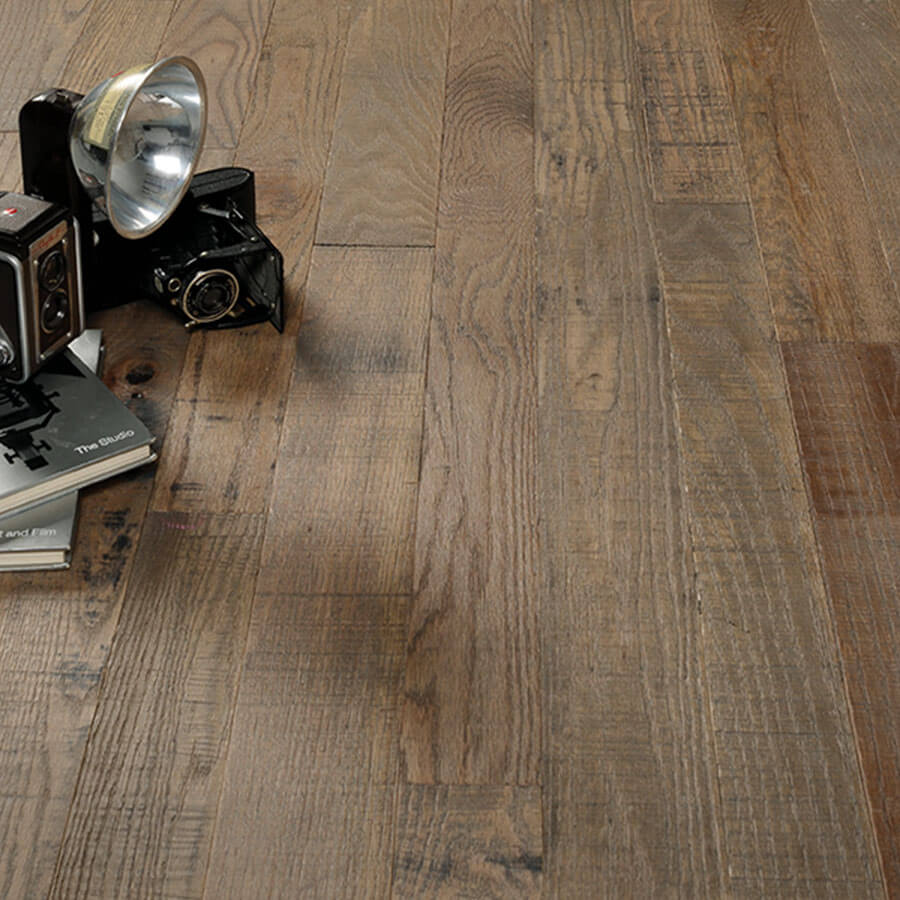
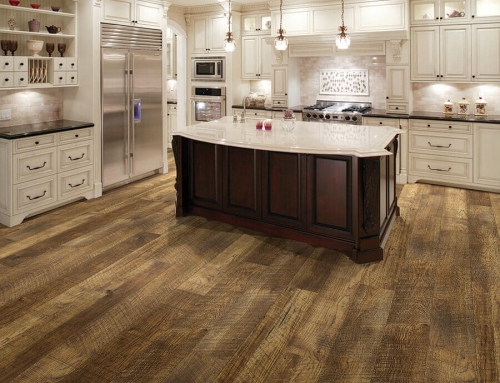
Solid hardwood is frequently called the “gold standard” of flooring for its unmatched longevity. Each plank is a single, solid piece of timber, typically $3/4$ of an inch thick. Its primary advantage is its ability to be sanded and refinished multiple times over many decades, allowing a homeowner to erase years of scratches or even change the floor’s color to match new design trends.Because of this, solid hardwood is a permanent investment that often increases a home’s resale value more than any other material. However, it is also the most demanding; it is highly sensitive to moisture and cannot be installed in basements or bathrooms without a high risk of warping, cupping, or gapping.
Engineered Hardwood Installations
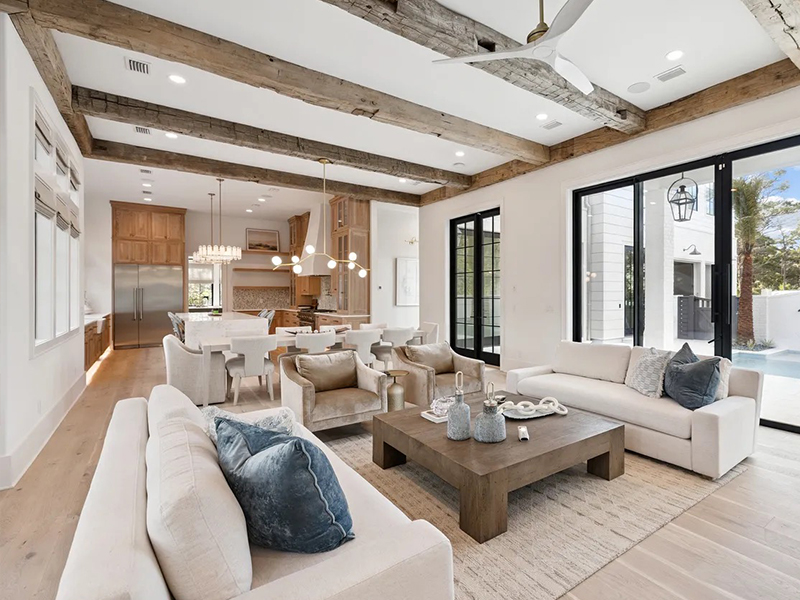
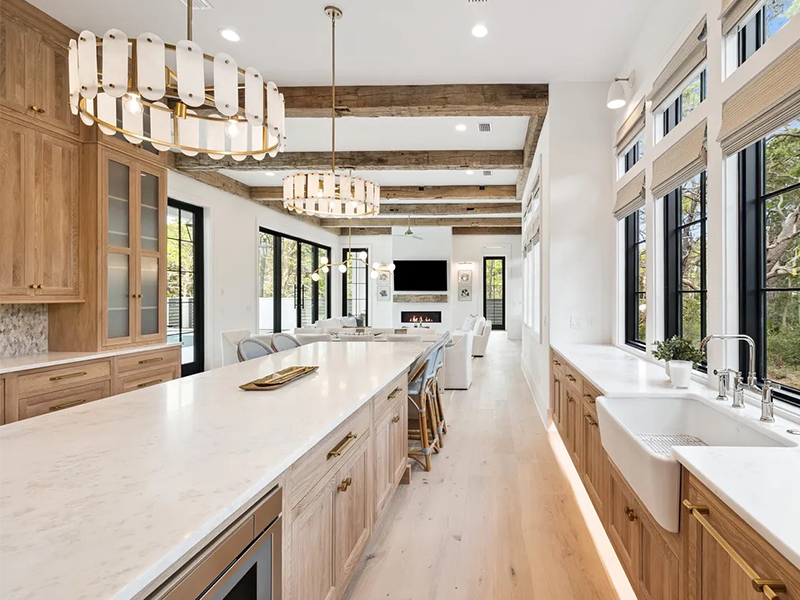
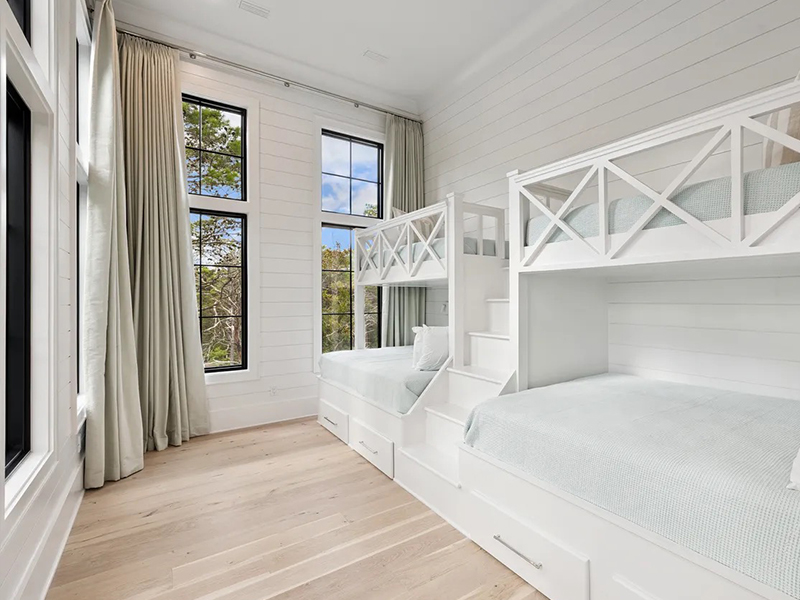
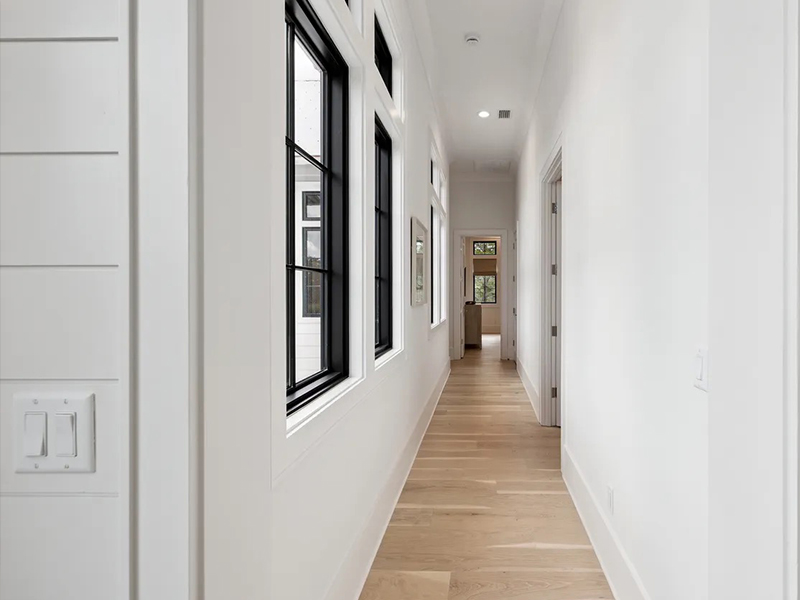
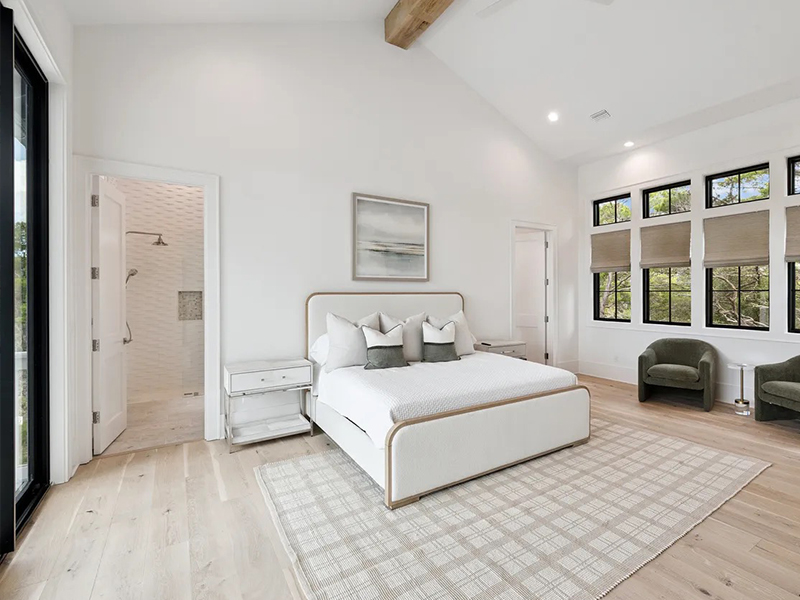
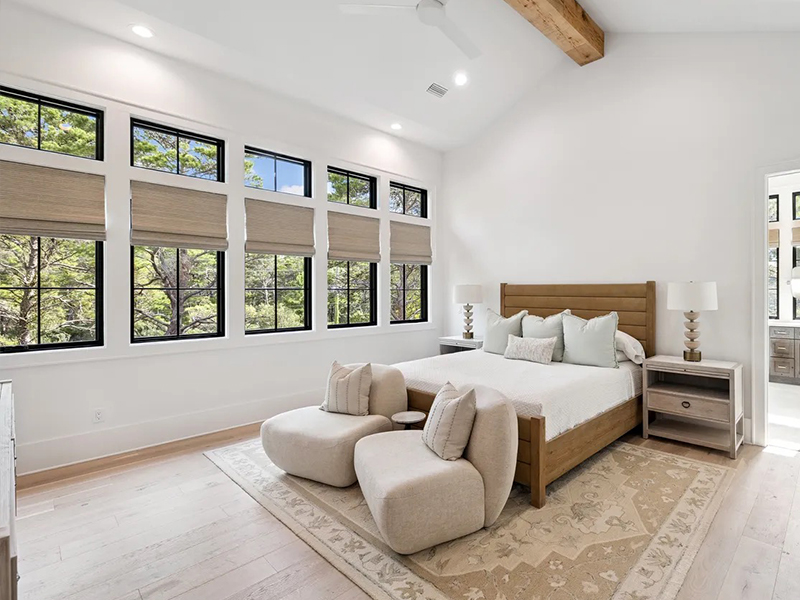
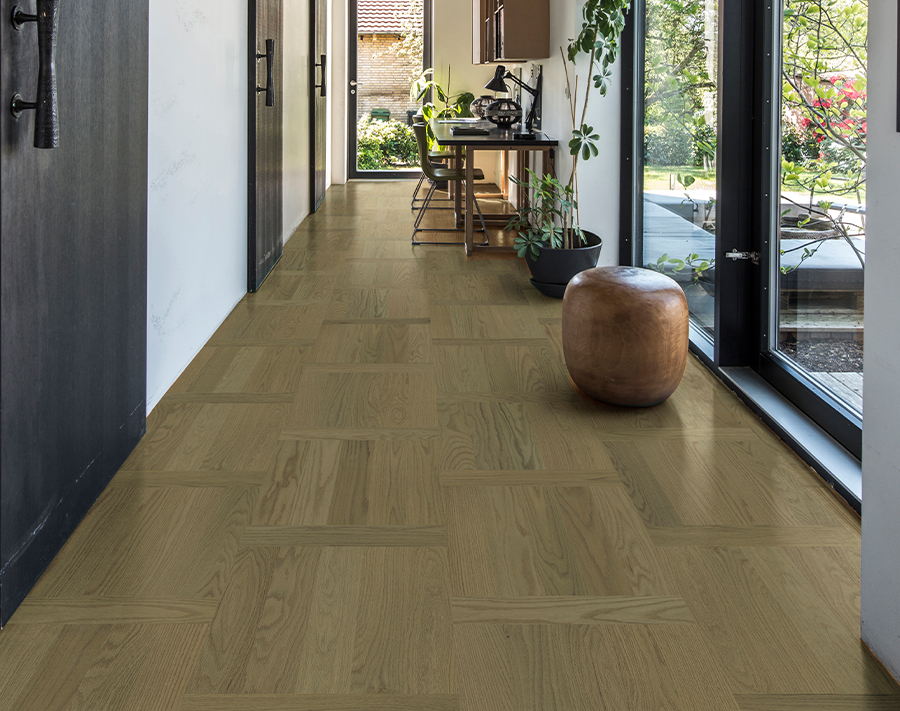
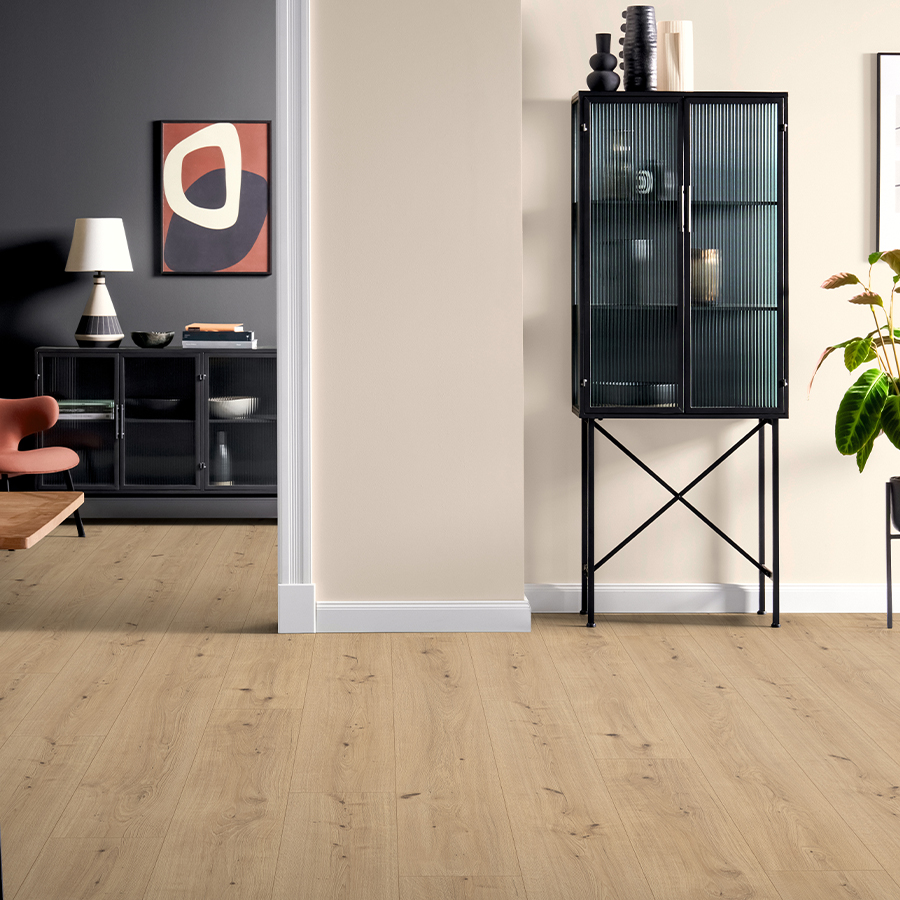
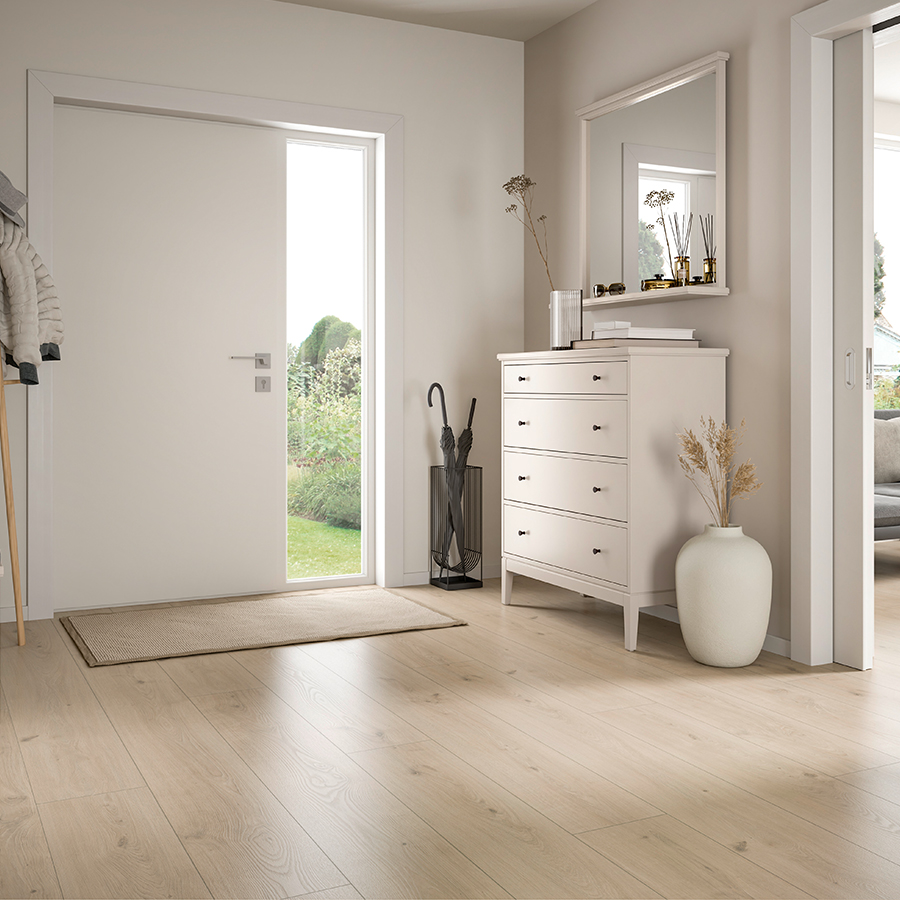
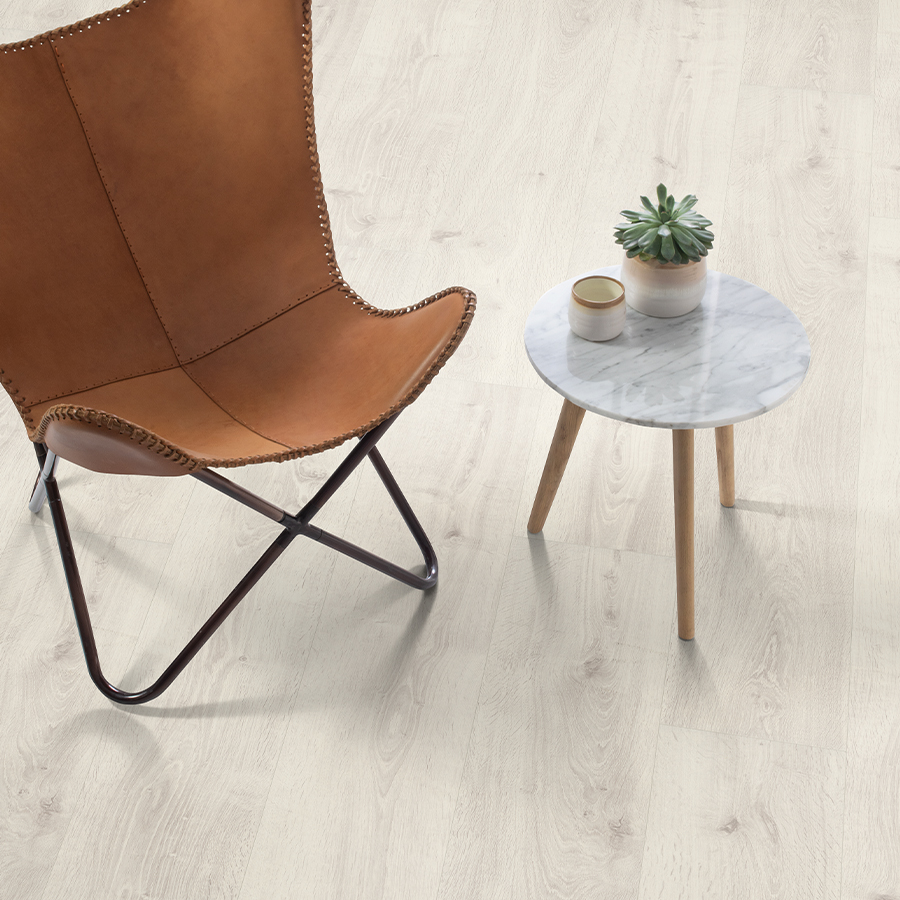
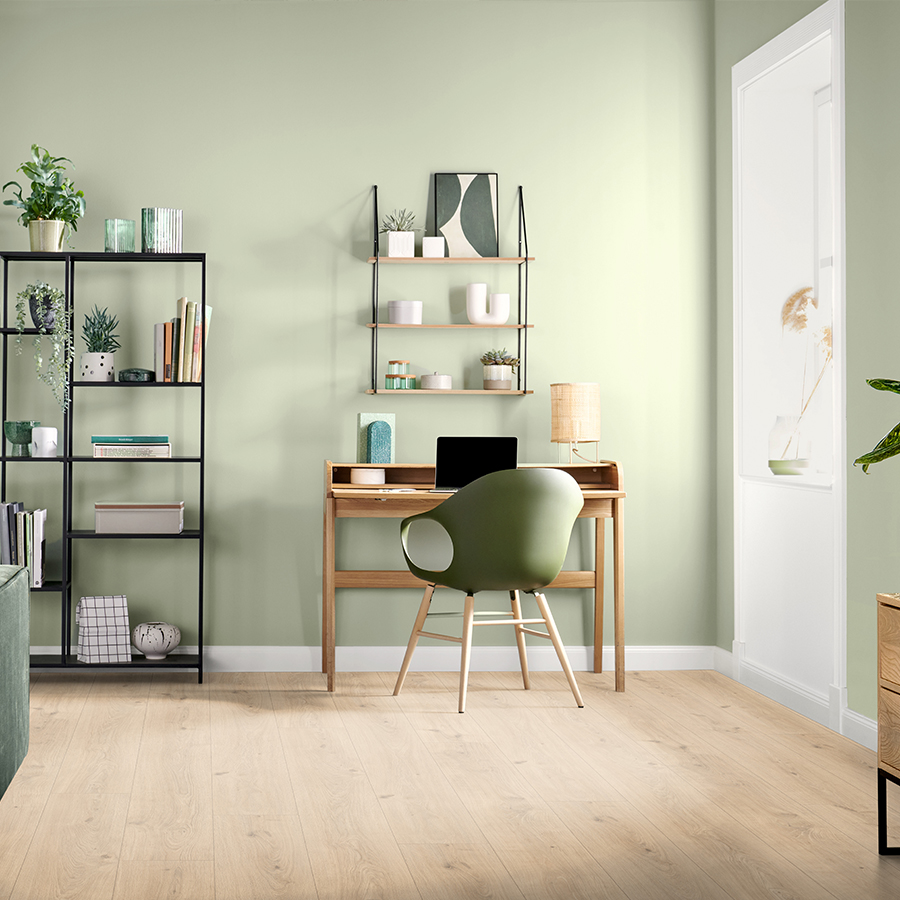
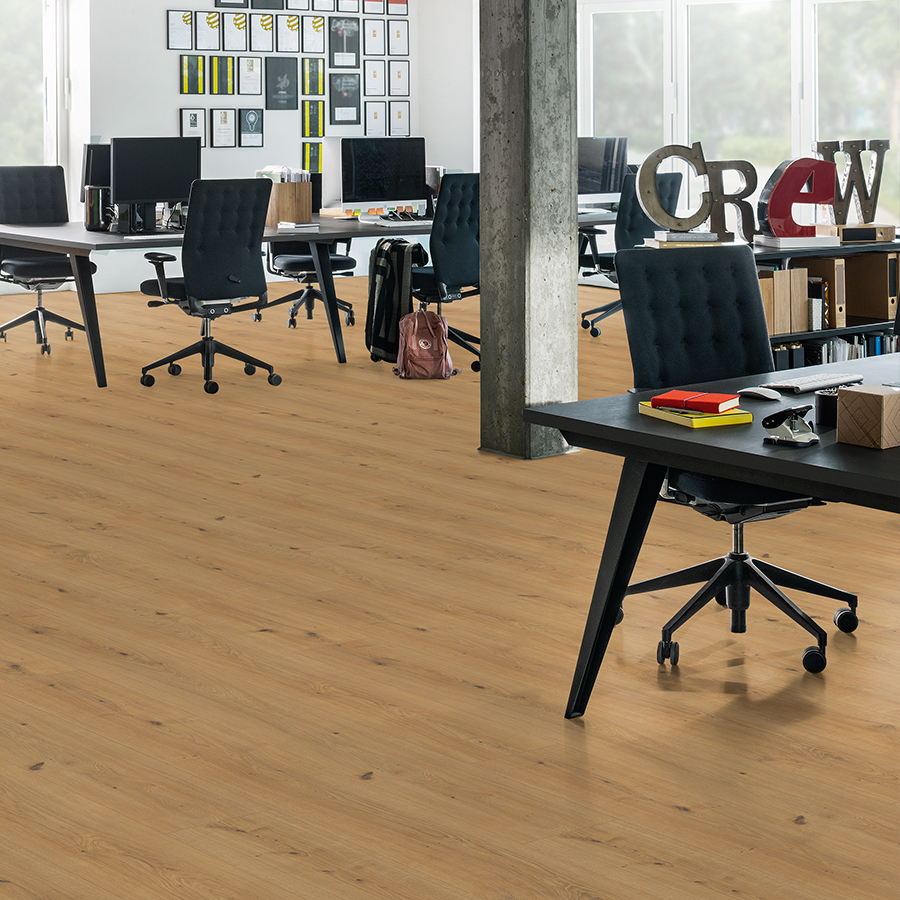
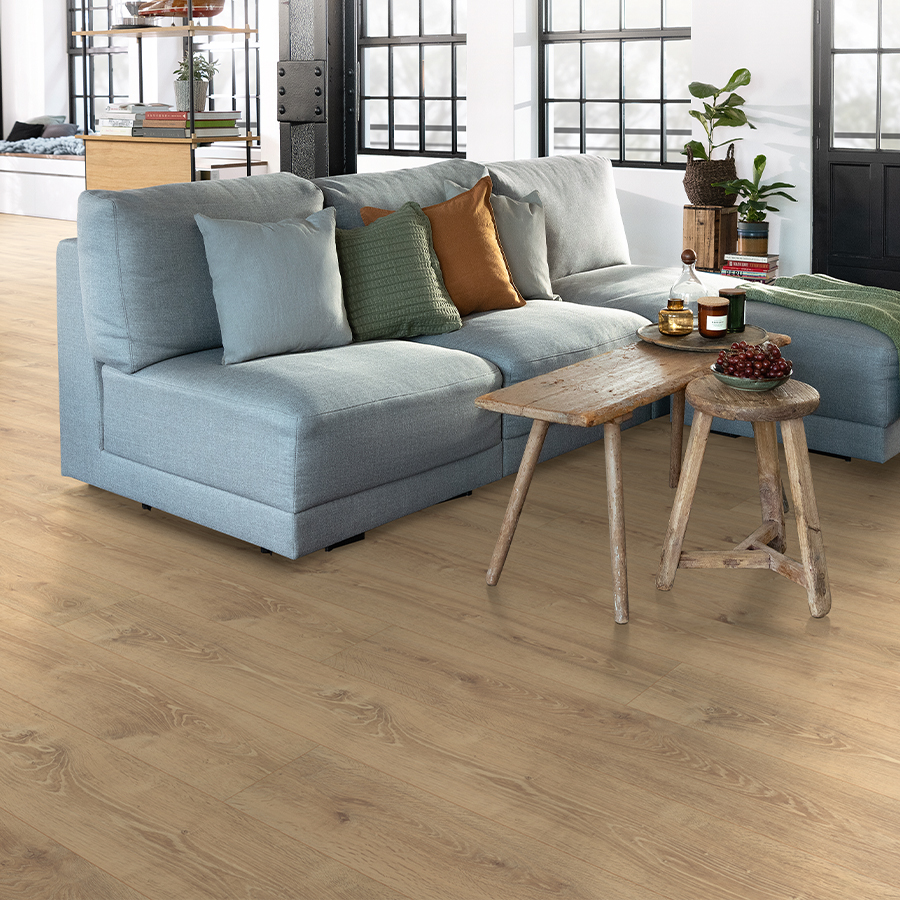
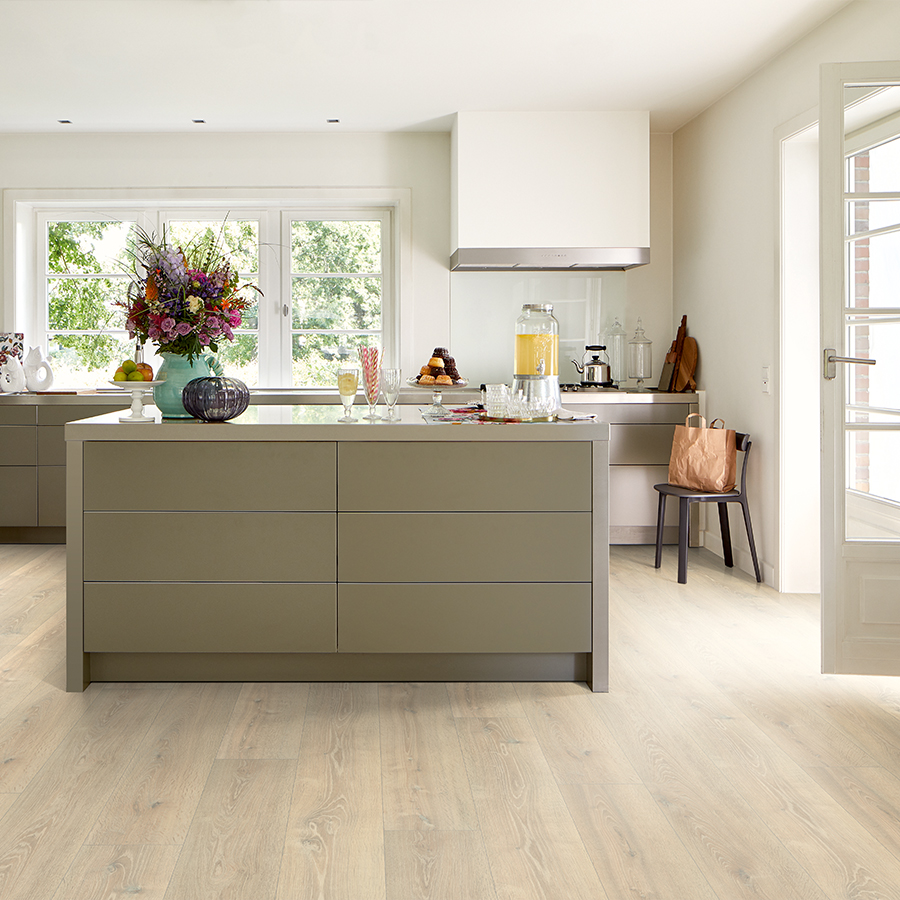
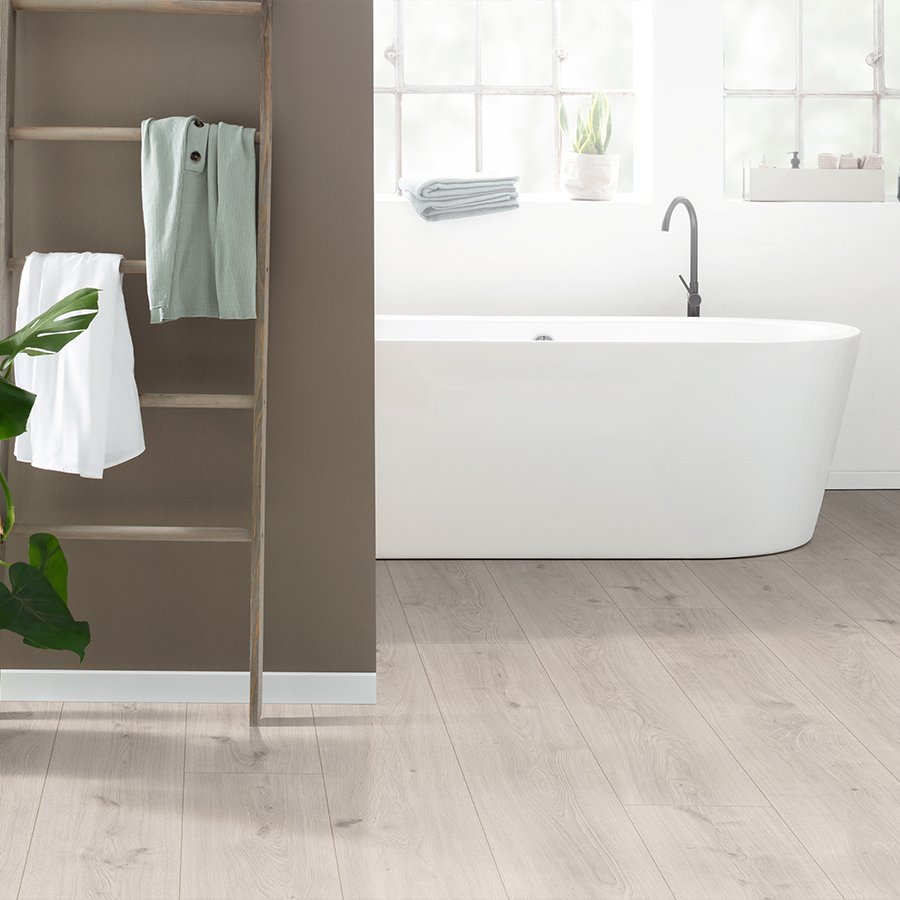
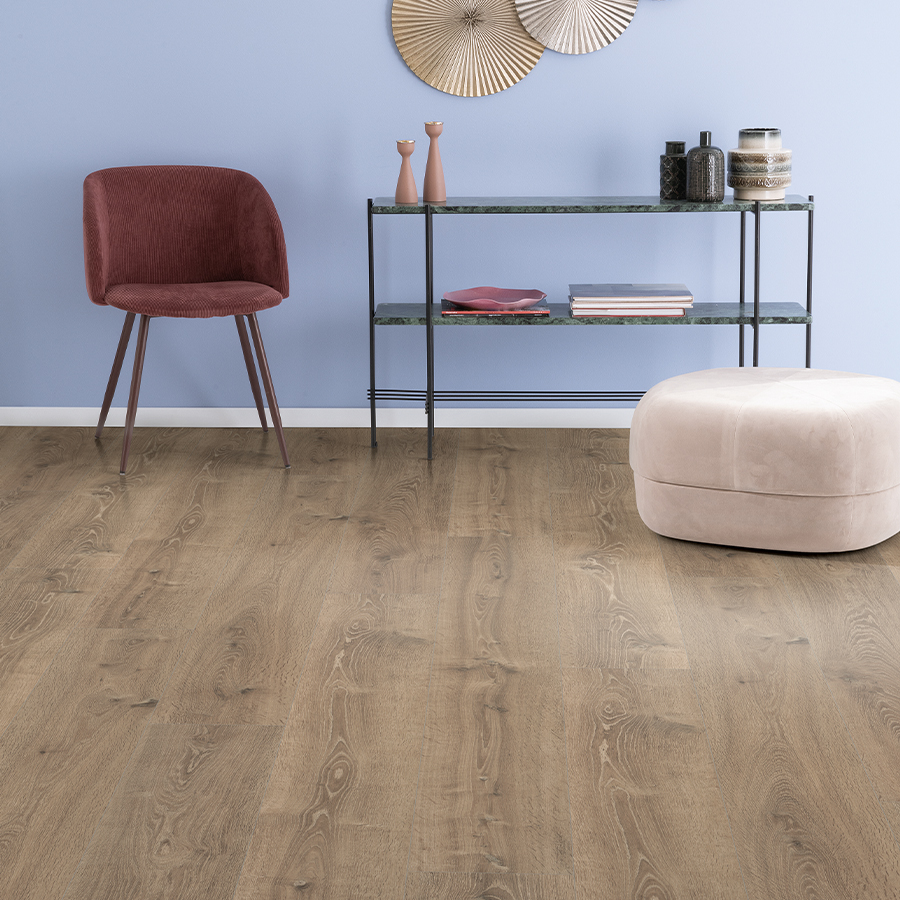
Engineered hardwood serves as a bridge between tradition and modern engineering. It features a real wood veneer on top, but its core is made of cross-layered plywood or high-density fiberboard. This “crisscross” construction makes it much more stable than solid wood, meaning it won’t expand or contract as much when the humidity changes.This stability allows you to install it in areas where solid wood would fail, such as over concrete slabs or even in finished basements. While it provides the same authentic feel as solid wood, its lifespan is shorter because it can only be refinished once or twice before the thin top layer is worn away.
For homeowners prioritizing durability and budget, Luxury Vinyl Plank (LVP) and laminate have become incredibly sophisticated. LVP is a synthetic product that has surged in popularity because many versions are 100% waterproof, making it the ideal choice for kitchens, mudrooms, and laundry rooms. It is exceptionally resistant to the scratches and dents caused by pets or heavy furniture. Laminate, while not always fully waterproof, offers a similar wood-look using a high-definition photographic layer and a very hard resin wear layer that excels at resisting surface wear.
The trade-off for these materials is that they cannot be refinished; once they are damaged or worn out, they must be replaced entirely. Ultimately, the choice depends on where you are in your homeowner journey. If you are renovating a “forever home” and want a floor that will last a century, solid hardwood is the superior choice. If you are dealing with a busy household of young children and pets, or if you are working on a room prone to moisture, the resilience and lower upfront cost of engineered wood or luxury vinyl may offer a much better return on your peace of mind.
II – THE REAL DIFFERENCE BETWEEN SOLID & ENGINEERED WOOD
As a homeowner, the choice between solid and engineered wood often comes down to where you live (humidity) and how long you plan to stay in the house (longevity). While both use real wood on the surface, their “DNA” is completely different.
Here is the breakdown of the real differences:
THE FUNDAMENTAL CONSTRUCTION
-
Solid Hardwood: Each plank is a single, solid piece of timber (usually $3/4$ inch thick) from a specific tree species like Oak, Maple, or Walnut.
-
Modern Engineered: A “sandwich” construction. It has a real hardwood veneer (the wear layer) on top, bonded to a core of high-density fiberboard (HDF) or cross-layered plywood.
KEY PERFORMANCE DIFFERENCES
-
Moisture & Stability
-
Solid: Very sensitive. It “breathes,” meaning it expands in summer and shrinks in winter.8 This can lead to gaps, cupping, or warping if your home’s humidity isn’t strictly controlled.
-
Engineered: Highly stable. The cross-grain layers in the core cancel out the wood’s natural urge to move. It is the gold standard for basements, kitchens, or homes with radiant floor heating.
-
-
Longevity & Refinishing
-
Solid: The “forever” floor. Because it’s solid wood all the way through, you can sand and refinish it 4 to 7 times. It can easily last 100+ years.
-
Engineered: Limited life. You can only refinish it as many times as the top veneer allows. A cheap veneer might not survive even one sanding; a premium 4mm+ wear layer can be refinished 2 to 3 times, lasting about 30–50 years.
-
-
Installation Versatility
-
Solid: Must be nailed or stapled down to a wooden subfloor. It cannot be installed over concrete or below ground level (basements).
-
Engineered: Can be nailed, glued, or “floated” (clicked together like laminate). This makes it possible to install directly over concrete slabs—a huge win for modern slab-on-grade homes.
-
-
Visuals & Trends
-
Solid: Usually limited to narrower planks (under 5 inches) because wider solid planks warp too easily.
-
Engineered: Because of its stability, it allows for the ultra-wide planks (7 to 10+ inches) that are currently popular in modern interior design without the risk of the boards buckling.
-
QUICK COMPARISON TABLE
| Feature | Solid Hardwood | Modern Engineered |
|---|---|---|
| Best for | “Forever homes,” living rooms | Basements, kitchens, concrete slabs |
| Lifespan | 100+ Years | 25–50 Years |
| DIY Friendly | No (Requires specialized tools) | Yes (Click-lock versions available) |
| Resale Value | High (The “gold standard”) | High (Indistinguishable once installed) |
| Cost | Typically higher (material + labor) | Moderate to high (wide variety) |
III – OAK OR HICKORY: CHOOSING THE RIGHT WOOD SPECIES
An average homeowner is asking, “Which wood should I use, Oak or Hickory? I want to stay on budget and deal with humid weather all year.”
1. HUMIDITY PERFORMANCE
-
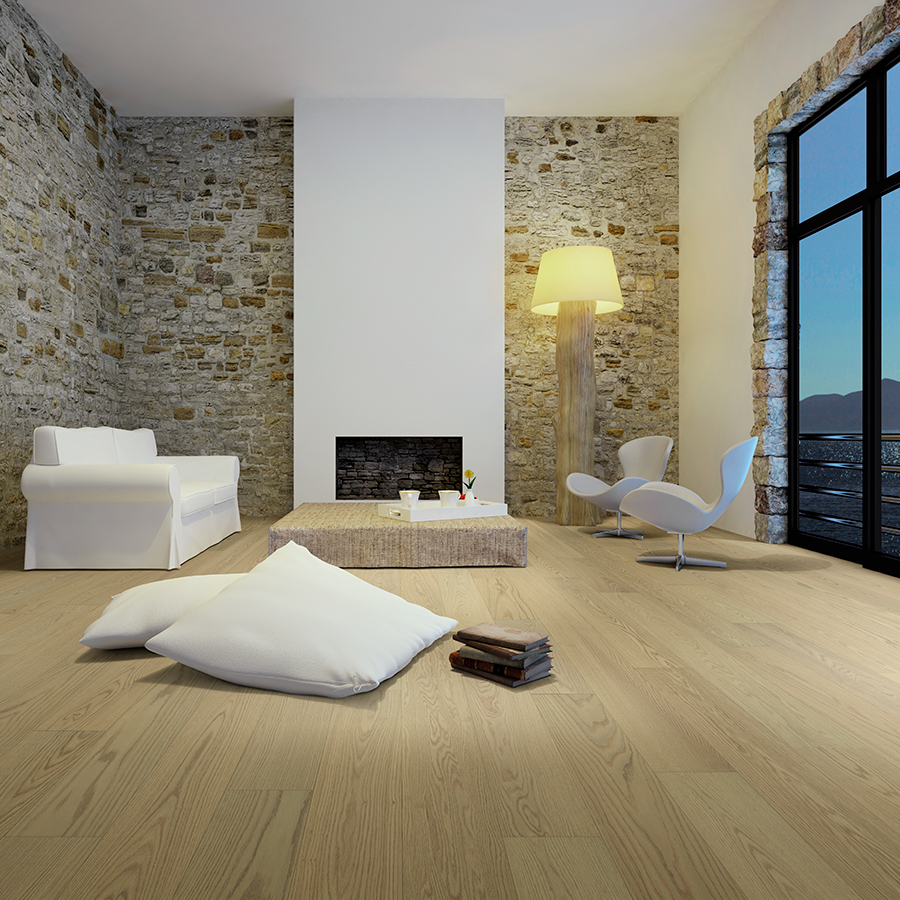
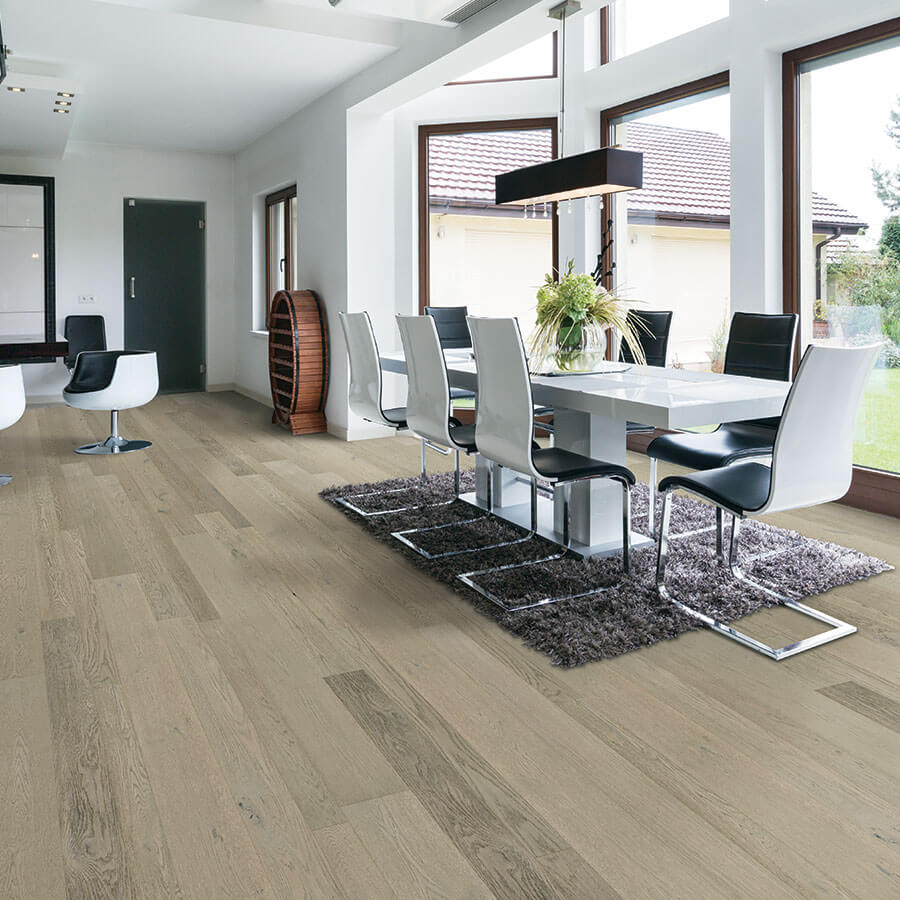
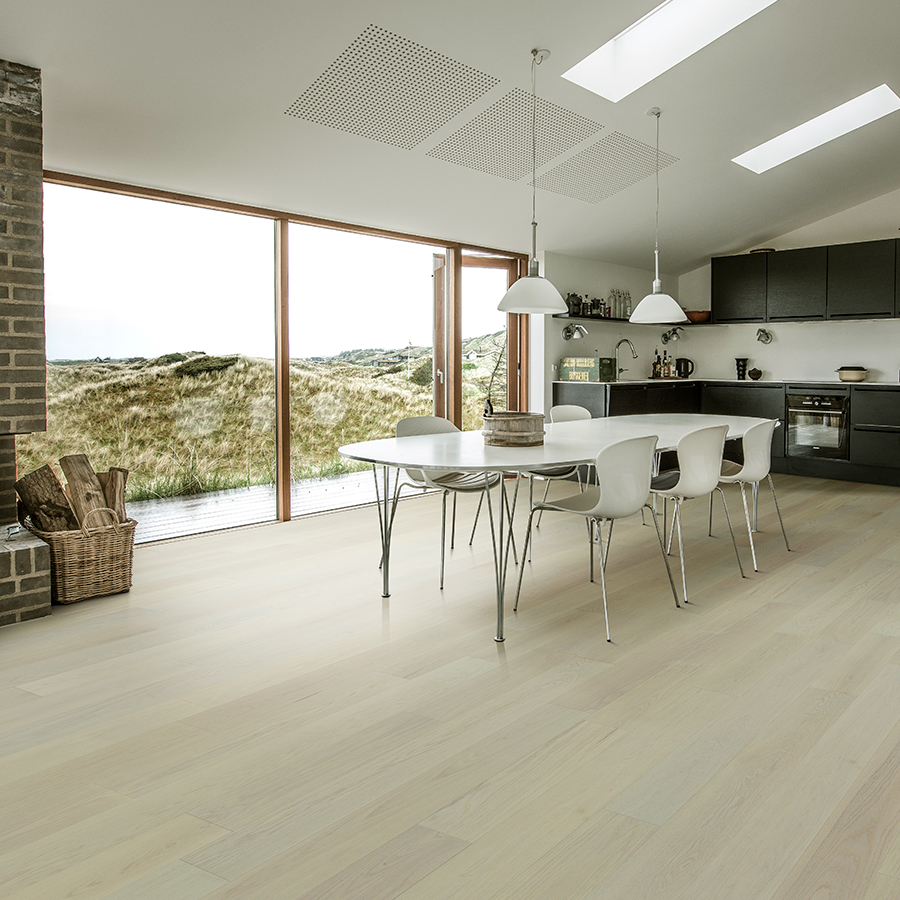
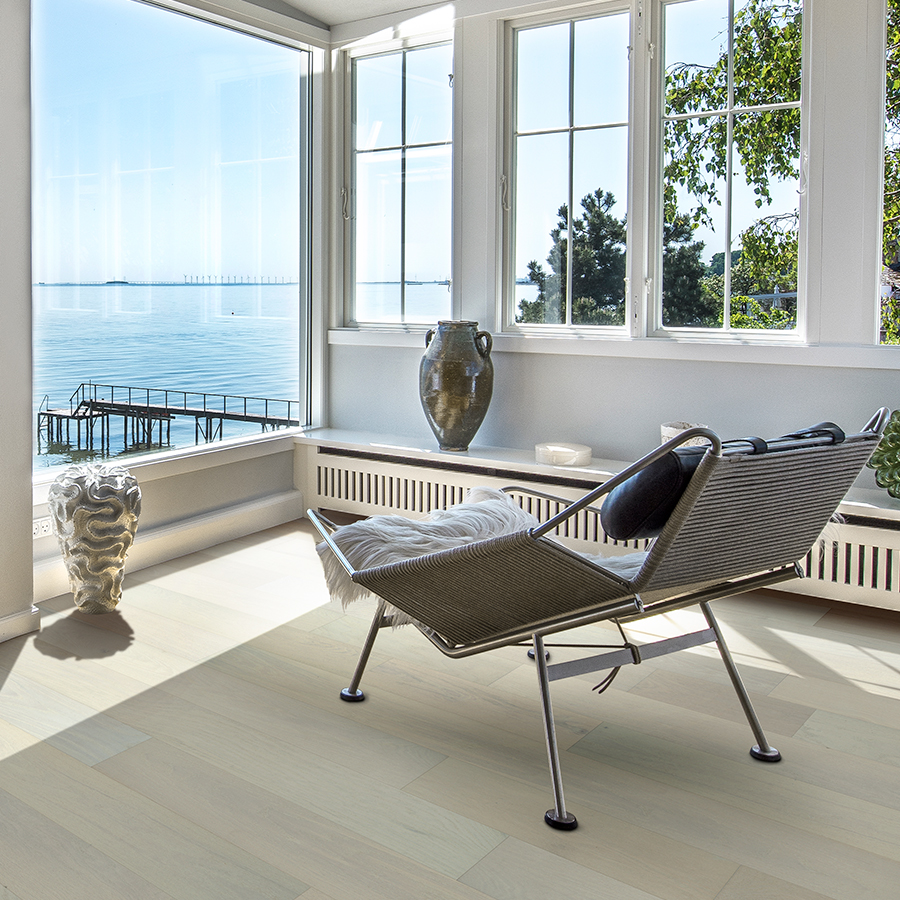
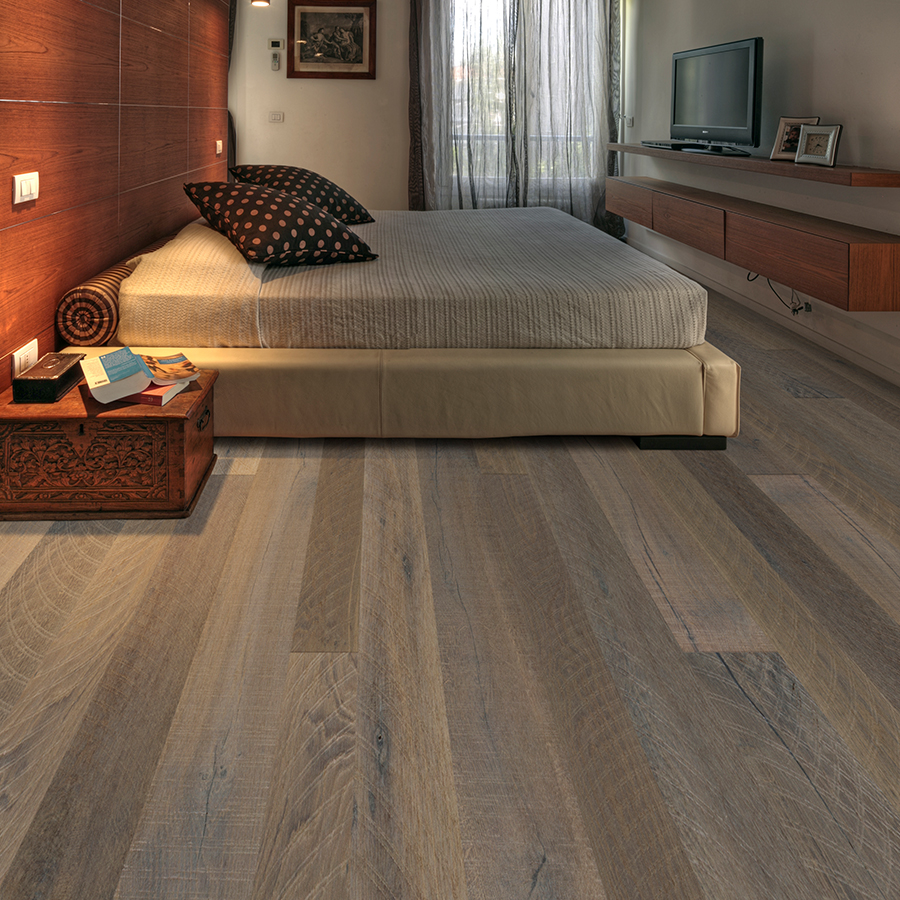
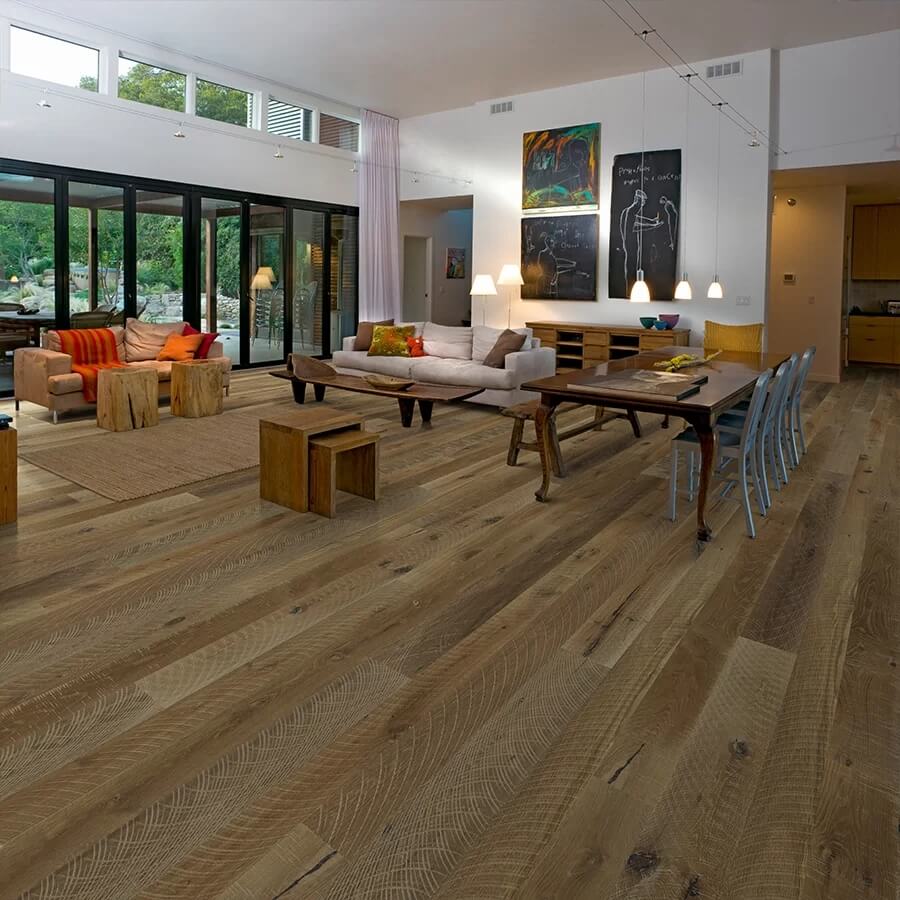
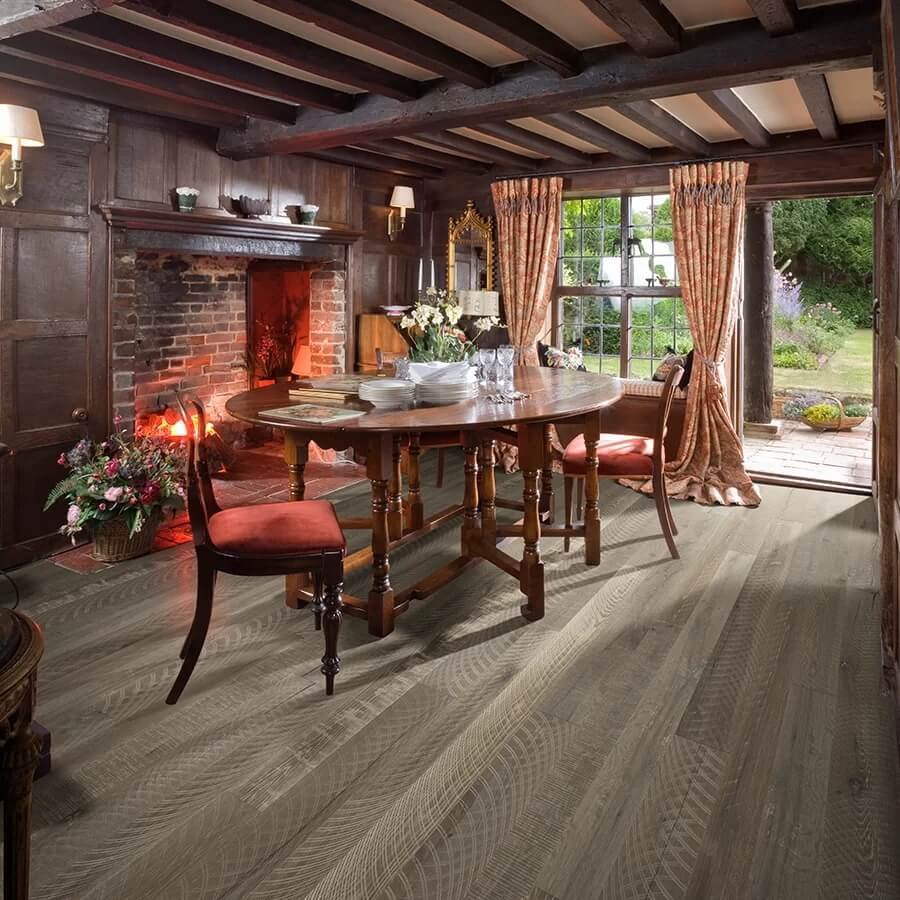
White Oak (The Stable Choice): It has a unique cellular structure called tyloses that essentially “plugs” the wood’s pores. This makes it naturally resistant to water and decay—it’s why White Oak is used for wine barrels and boat building. It expands and contracts much less than other woods when the air gets sticky.

-
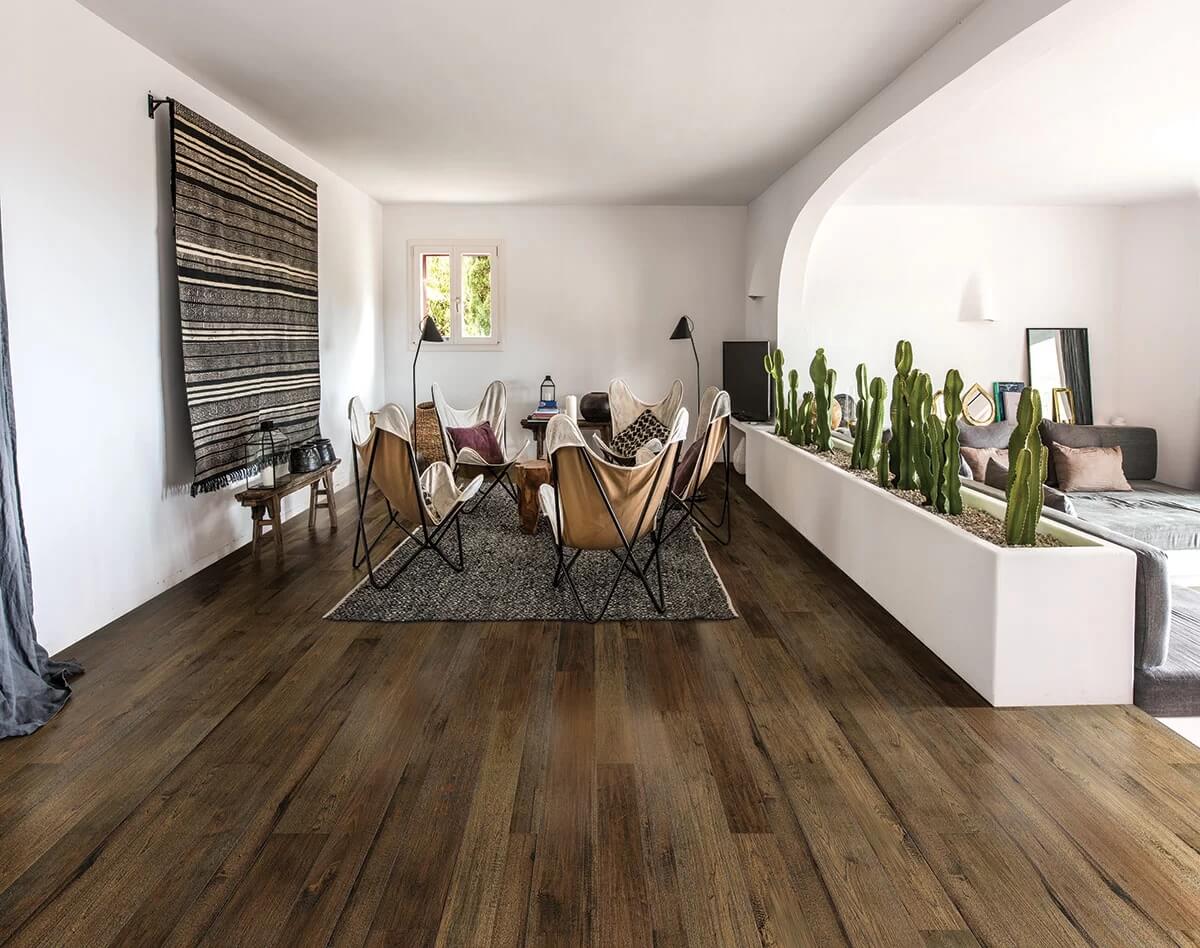
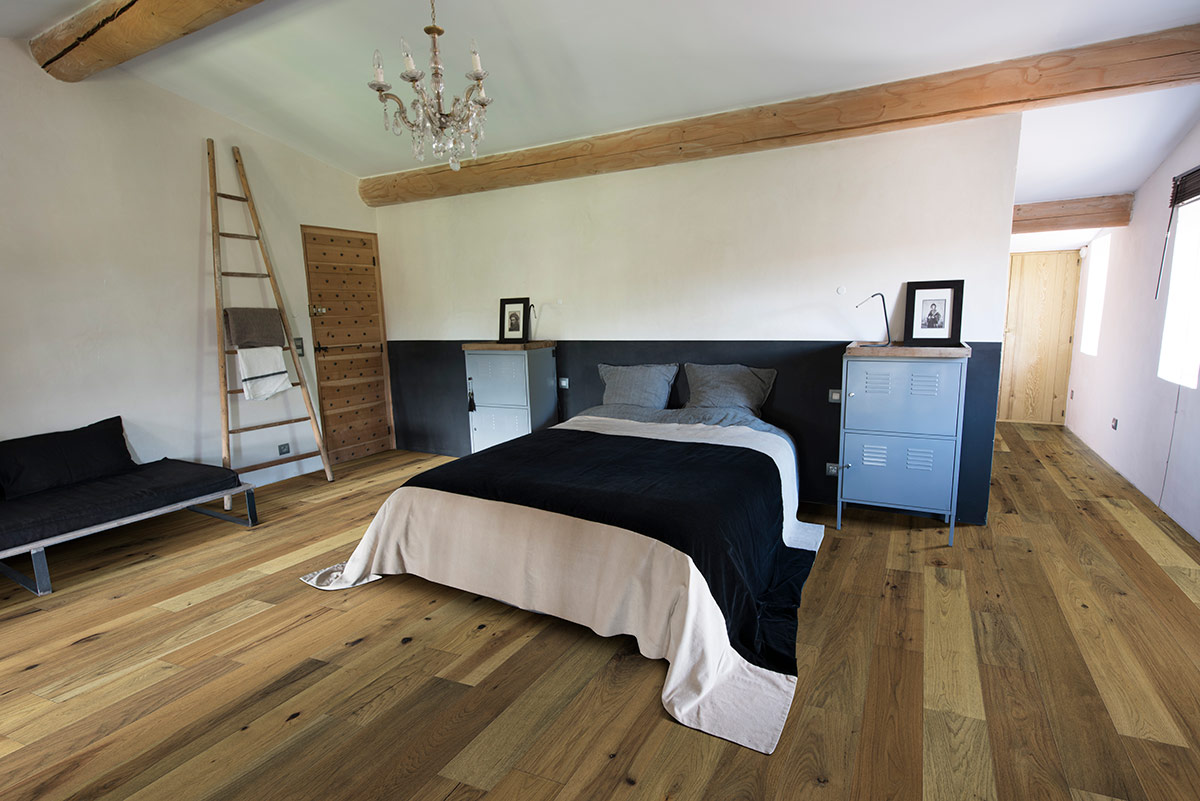
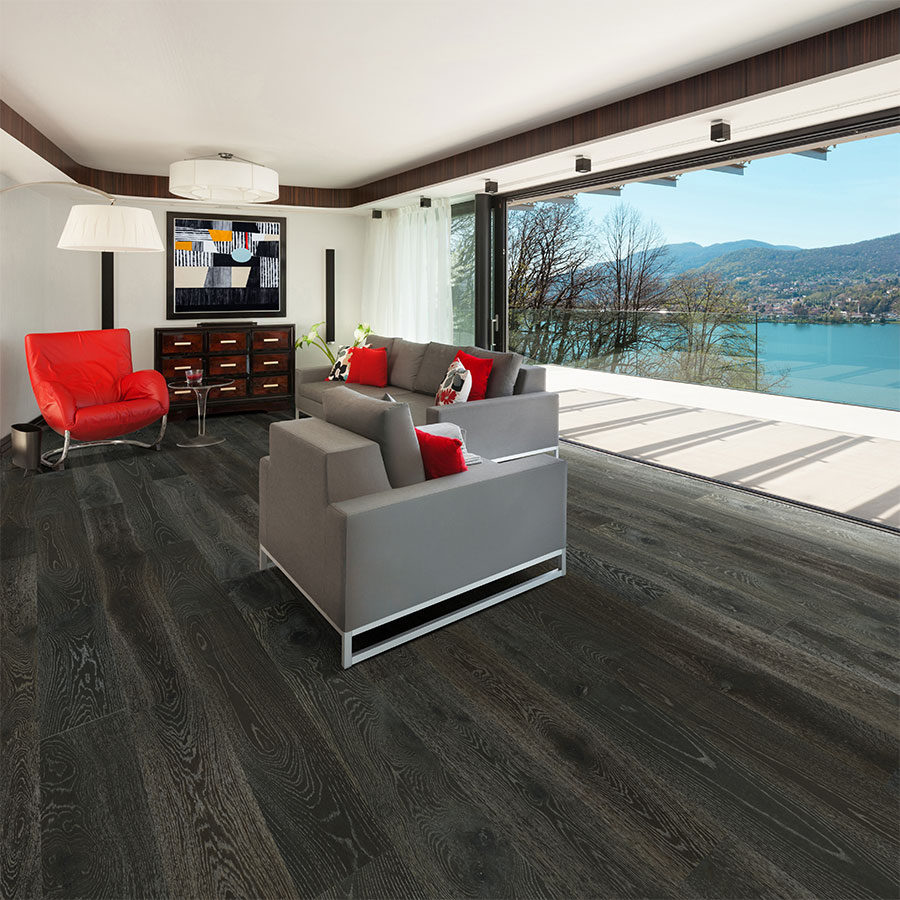
Hickory (The “Moody” Choice): Despite being incredibly hard, Hickory is notoriously unstable in humidity. It has a high “shrinkage coefficient,” meaning it is prone to dramatic cupping or gapping if your home’s moisture levels aren’t perfectly controlled.
-
Red Oak (The Porous Choice): Red Oak has “open” pores (you can actually blow air through a straw of Red Oak). In high humidity, it acts like a sponge, soaking up moisture and expanding quickly.

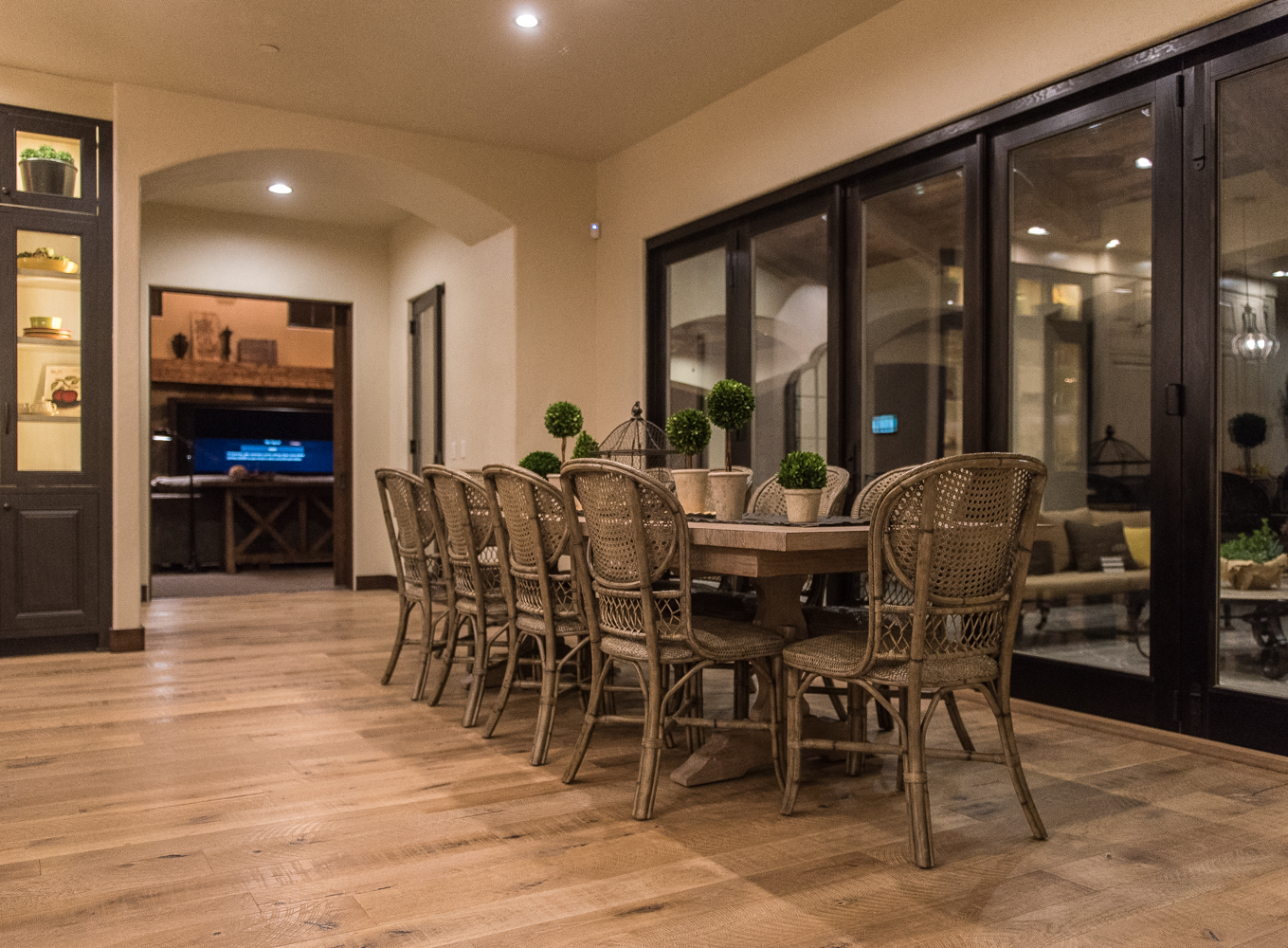
2. PRACTICAL BUDGETING
-
Availability: Red Oak is usually the most affordable because it is the most abundant. White Oak is slightly more expensive but still widely available and “budget-friendly” compared to exotic woods.
-
Installation Costs: Hickory is so hard that it is difficult to cut and sand. Many installers charge a premium to install solid Hickory because it dulls their saw blades and takes longer to finish. Oak is the “goldilocks” wood—easy to work with, which keeps labor costs standard.
-
Maintenance Savings: White Oak’s tighter grain hides dust and pet hair better than the high-contrast, “busy” look of Hickory, which can show every speck of debris depending on the stain.
3. SUMMARY COMPARISON
4. THE “BEST OF BOTH WORLDS” RECOMMENDATION
If you love the look of real wood but live in a humid climate, the most practical choice for an ordinary homeowner is Engineered White Oak.
-
You get the moisture-stable core of engineered flooring.
-
You get the water-resistant surface of the White Oak species.
- It is significantly cheaper than solid wood once you factor in the lower installation costs.
QUICK COMPARISON TABLE
| Feature | Solid Hardwood | Modern Engineered |
|---|---|---|
| Best for | “Forever homes,” living rooms | Basements, kitchens, concrete slabs |
| Lifespan | 100+ Years | 25–50 Years |
| DIY Friendly | No (Requires specialized tools) | Yes (Click-lock versions available) |
| Resale Value | High (The “gold standard”) | High (Indistinguishable once installed) |
| Cost | Typically higher (material + labor) | Moderate to high (wide variety) |