What are the Best Wood for Hardwood Floors?
The Structural Aesthetic: Matching Hardwood Species to the Rhythm of Your Home
Selecting the right hardwood for your home is more than a design choice; it is a long-term investment in the structural and aesthetic foundation of your living space. As an ordinary homeowner, you face a marketplace filled with an overwhelming array of species, grain patterns, and hardness ratings, each promising a lifetime of beauty. However, the true “best” wood is not a universal constant, but rather a strategic match between the biological properties of the timber and the unique demands of your daily life. To find the floor that will endure decades of foot traffic while maintaining its visual appeal, one must look beyond the surface color and examine the intersection of Janka durability, moisture resistance, and the subtle art of grain character.
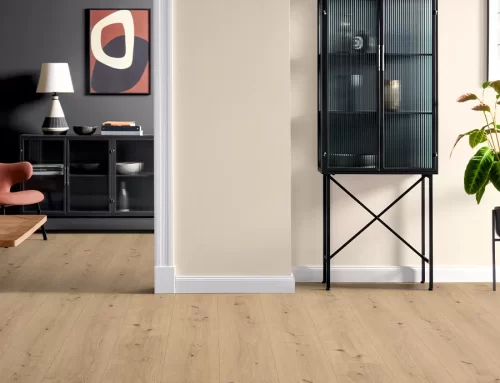
Hallmark’s Wide Range of Hardwood Flooring gives you more quality choices.
In the current market, White Oak has emerged as the most versatile champion for the modern homeowner. It is favored not just for its resilience, with a Janka hardness rating of 1,360, but for its unique cellular structure. Unlike many other species, White Oak is naturally water-resistant due to high levels of tannins and a closed-grain pore system, which historically made it the preferred choice for whiskey barrels and ship building. This translates to a floor that handles the occasional kitchen spill or tracked-in moisture with far more grace than its cousins. Furthermore, its neutral, wheat-colored palette provides a perfect canvas for the matte and natural oil finishes that are currently trending, allowing it to fit seamlessly into everything from a minimalist Scandinavian flat to a traditional farmhouse.
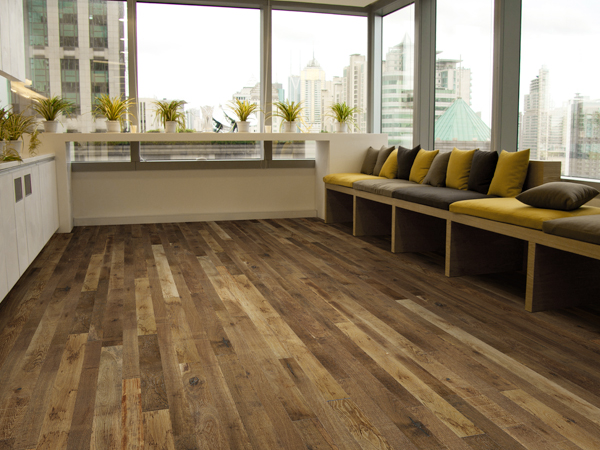
If your home is a high-traffic environment—perhaps one filled with large pets, active children, or heavy furniture—Hickory stands out as the undisputed heavyweight of domestic woods. With a Janka rating of 1,820, it is nearly 30% harder than White Oak, offering a level of dent resistance that is almost “bulletproof” for residential use. Beyond its strength, Hickory is a storyteller; its dramatic grain and high color variation from creamy whites to deep browning chocolates create a busy visual texture that effectively hides the inevitable surface scratches and dust of daily life. While it is more challenging to install due to its extreme density, the investment pays off in a floor that requires refinishing far less frequently than softer alternatives.
It takes a team of exceptional people to create and design quality floors.
For those who prioritize a clean, architectural look, Hard Maple offers a sophisticated alternative. Its tight, uniform grain and pale, milky tones can make smaller rooms feel expansively bright. While it is technically harder than White Oak at a 1,450 rating, its smooth surface is less forgiving; without the heavy grain of Oak or Hickory to camouflage marks, surface scratches can be more visible under direct light. Consequently, Maple is best suited for homeowners who prefer a pristine, contemporary aesthetic and are willing to use area rugs in high-pivot zones to protect the finish.
As you finalize your choice, it is helpful to consider the character grade and the width of the planks. Wide planks are currently the standard for luxury, as they reduce the number of seams and allow the natural beauty of the wood to take center stage. Choosing a wire-brushed or hand-scraped texture can further enhance the durability of any of these species by pre-distressing the wood, ensuring that the first “real” scratch from a dropped toy simply blends into the floor’s intentional character. Regardless of the species, opting for an engineered construction is often the smartest move for areas with fluctuating humidity, while solid wood remains the heirloom choice for those who want the ability to sand and refinish their floors for many decades to come.
IN SUMMARY
Ultimately, the “best” wood for your home is the one that aligns with the reality of your daily life rather than just the vision in a showroom. If you value a timeless, versatile foundation that can adapt to changing decor over the decades, White Oak remains the industry standard for its balance of beauty and moisture resistance. For those whose homes are a whirlwind of activity, pets, and heavy footfall, the rugged density of Hickory provides an unparalleled peace of mind that few other materials can offer. Meanwhile, Hard Maple stands as the premier choice for the design-conscious homeowner seeking a clean, minimalist aesthetic, provided they are mindful of its smooth, revealing surface. By weighing these biological traits against your personal lifestyle, you ensure that your flooring is not just a temporary surface, but a lasting legacy that grows more graceful with every passing year.
The Avenue Collection by Hallmark Floors
Choosing the Best Wood for Hardwood Flooring
From White Oak to Hickory: Navigating the Trade-offs of Premium Hardwoods
Choosing the “best” hardwood depends on your household’s activity level. As a homeowner in 2025, you generally want to balance Janka Hardness (resistance to dents) with Grain Pattern (ability to hide scratches).
1. The “Big Three” Domestic Hardwoods
Most homeowners choose one of these three because they are readily available, relatively affordable, and proven to last.
| Wood Species | Hardness (Janka) | Best For… | Why Homeowners Love It |
| White Oak | 1,360 | Modern Design | Naturally water-resistant (high tannin); very neutral tone that takes stain beautifully. |
| Hickory | 1,820 | High Traffic | The hardest common domestic wood. Dramatic grain hides pet scratches and kid-related “oops” moments perfectly. |
| Hard Maple | 1,450 | Minimalist Homes | Very light and clean look. Second hardest domestic wood, but its smooth grain shows scratches more easily than Oak. |
The Serenity Collection by Hallmark Floors
2. Best for Durability: The Exotic Options
If money is less of an object and you want a floor that is nearly “bulletproof” against dents, look at exotic hardwoods.
-
Brazilian Cherry (Jatoba): Janka rating of 2,350. It is incredibly dense and has deep reddish tones that darken beautifully over time.
Brazilian Walnut (Ipe): Janka rating of 3,680. One of the hardest woods on Earth. It is nearly impossible to dent but can be expensive to install due to its toughness.
The Regatta Collection by Hallmark Floors
3. Best for “Life with Pets/Kids” White Oak or Hickory
For an ordinary homeowner, White Oak is currently the gold standard.
-
It is harder than Red Oak.
It is more moisture-resistant than almost any other wood.
-
Pro-Tip: Choose a matte or wire-brushed finish. High-gloss floors act like a mirror for scratches; matte finishes and textured surfaces (like wire-brushing) make scratches invisible.
4. Best for Budget: Red Oak
Red Oak is the “classic” American hardwood floor. It is slightly softer than White Oak (1,290 Janka) but is widely available and the easiest to sand and refinish if you ever want to change the color in 15 years.
Summary Checklist for Your Purchase:
-
Solid vs. Engineered: If you live in a humid area or are installing over concrete, choose Engineered Hardwood for better stability.
-
The Finish: Look for a finish with Aluminum Oxide. It’s a transparent, diamond-hard coating that significantly extends the life of the wood before you need to refinish.
The Grain and Saw Collection by Hallmark Floors