PRICE OF CARPET VS. HARDWOOD
The 2025 Cost & Value Guide
Carpet, Hardwood, & Alternatives
1. Upfront Cost Comparison
| Feature | Carpet | Solid Hardwood | Engineered Hardwood |
|---|---|---|---|
| Material Cost | $1 – $5 per sq. ft. | $5 – $15 per sq. ft. | $4 – $10 per sq. ft |
| Installation Labor | $1 – $3 per sq. ft. | $3 – $8 per sq. ft. | $3 – $8 per sq. ft. |
| Total Project Cost | $2 – $8 per sq. ft. | $8 – $23+ per sq. ft. | $7 – $18 per sq. ft. |
Example for a 200 sq. ft. Bedroom:
Carpet: ~$800 total.
Hardwood: ~$2,400 total.
2. The “Hidden” Long-Term Costs
While hardwood hurts the wallet more today, carpet often costs more over 20 years because it has to be replaced frequently.
-
Lifespan:
-
Carpet: Lasts 5–10 years before it looks worn or stained. You will likely buy it 3 times during the lifespan of one wood floor.
-
Hardwood: Lasts 30–100 years. Solid hardwood can be sanded and refinished 3–5 times.
-
-
Maintenance:
-
Carpet: Requires vacuuming + professional steam cleaning ($50–$75 per room annually).
-
Hardwood: Requires sweeping + occasional wood cleaner. Refinishing costs ~$3–$5/sq. ft., but is only needed every 10–15 years.
-
-
Resale Value (ROI):
-
Carpet: Generally adds zero value to your home resale price. It is often seen as a liability by buyers if it isn’t brand new.
-
Hardwood: Often yields a 70%–80% return on investment. Buyers actively filter searches for “hardwood floors.”
-
HARDWOOD FLOORING: ENGINEERED HARDWOOD PROJECTS
Proper Hotel Custom Novella

Proper Hotel Hallmark Novella

Proper Hotel Hallmark Floors Novella

Proper Hotel Custom HF Novella

SLO hotel HF Ventura

SLO Hallmark Ventura

Hotel SLO Hallmark Ventura

Conrad Hilton Orlando room

Craftsman_FlatGrainCaramelized1
Times Square Rockefeller install via Adams Family Flooring
3. What is Right for You?
Choose Carpet If:
-
Budget is tight: You need a fresh look now for the lowest cash outlay.
-
Comfort is priority: You want warmth underfoot, sound dampening (quiet steps), or a soft surface for kids to play on.
Bedrooms only: Many homeowners compromise by putting hardwood in living areas (for value/looks) and carpet in bedrooms (for comfort/price).
Choose Hardwood If:
-
Long-term value: You plan to stay in the home for 10+ years or want to maximize resale price.
-
Allergies: You want to avoid trapping dust, mites, and pet dander.
-
High Traffic: You have pets or heavy foot traffic that would wear down carpet fibers quickly.
4. SUMMARY
If you have a strict budget of under $1,000 for a standard room, carpet is your only real option. If you can afford the $2,500+ investment, hardwood will eventually pay for itself by increasing your home value and not requiring replacement in a decade.
THE FINANCIAL BATTLE BETWEEN CARPET AND HARDWOOD FLOORING
In the United States, the financial battle between carpet and hardwood flooring is a story of immediate gratification versus generational wealth—a choice between saving thousands of dollars this weekend or earning thousands of dollars when you eventually sell your home.
If you look strictly at the checkout price today, carpet is the overwhelming victor for the budget-conscious American homeowner. You can walk into a big-box store or a local carpet showroom and have a bedroom fully outfitted—padding, labor, and mid-range fibers included—for roughly three to seven dollars per square foot. For a standard 200-square-foot bedroom, this might mean a total bill of under a thousand dollars. It is a painless transaction that leaves your bank account largely intact and provides instant comfort, warmth, and noise reduction that many families crave in their private living quarters.
HARDWOOD FLOORING: THE TRUE COLLECTION
However, the “savings” narrative of carpet collapses when you stretch the timeline out over a decade. In the US market, carpet is effectively a disposable product. From the moment it is installed, it begins a slow march toward the landfill. It traps allergens, accumulates stains that even professional steam cleaning cannot fully erase, and develops wear patterns in high-traffic zones. Within seven to ten years, the average American homeowner is ripping it out and paying for the entire project all over again. Over the course of thirty years, you might pay for that same bedroom floor three or four times, turning a cheap initial purchase into a recurring subscription service.
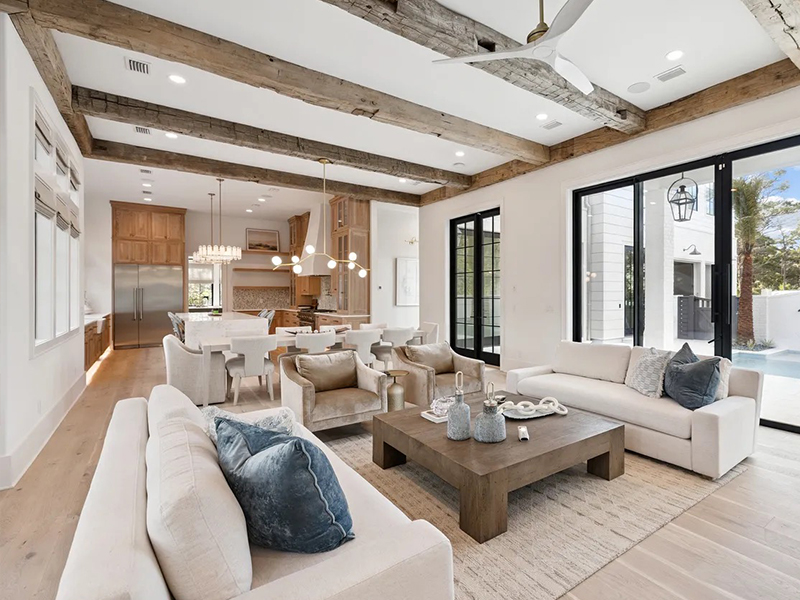
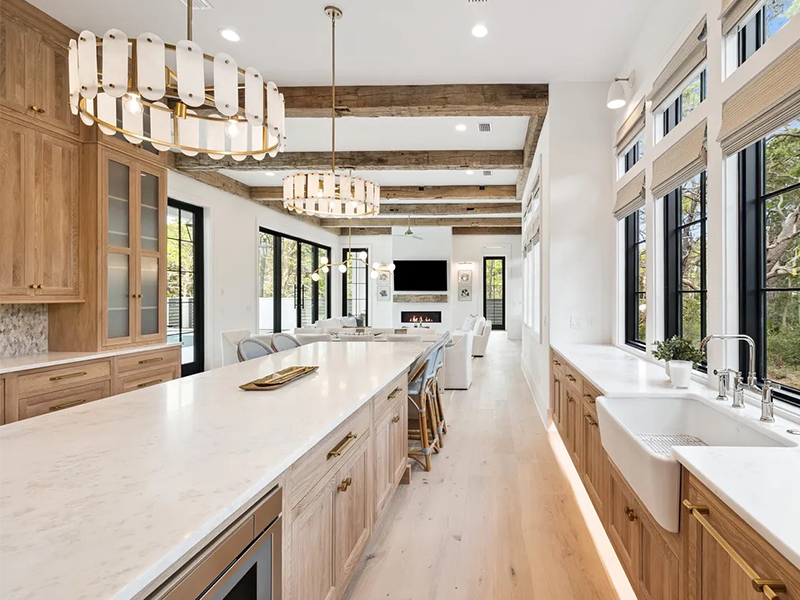
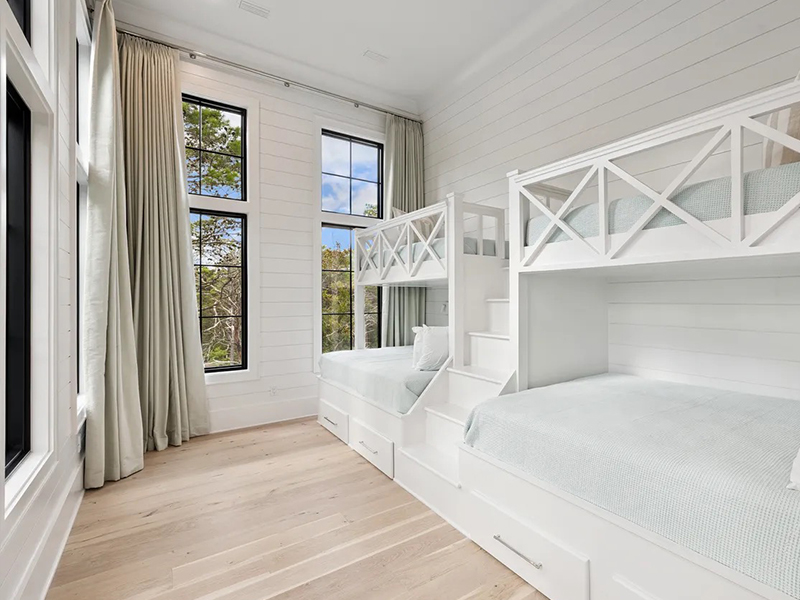
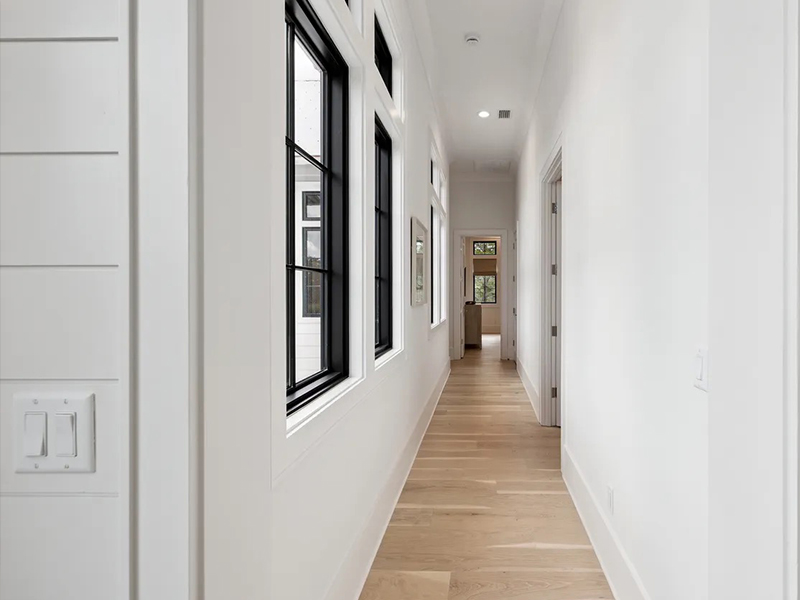
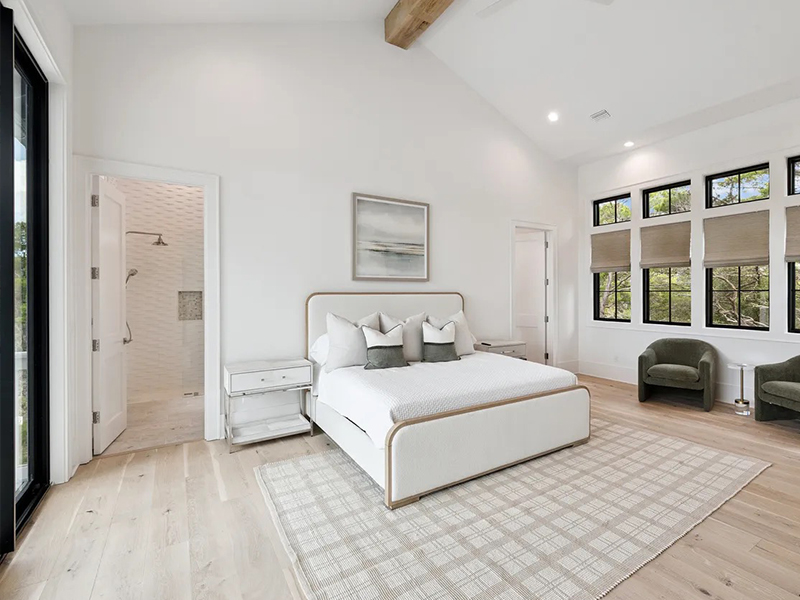
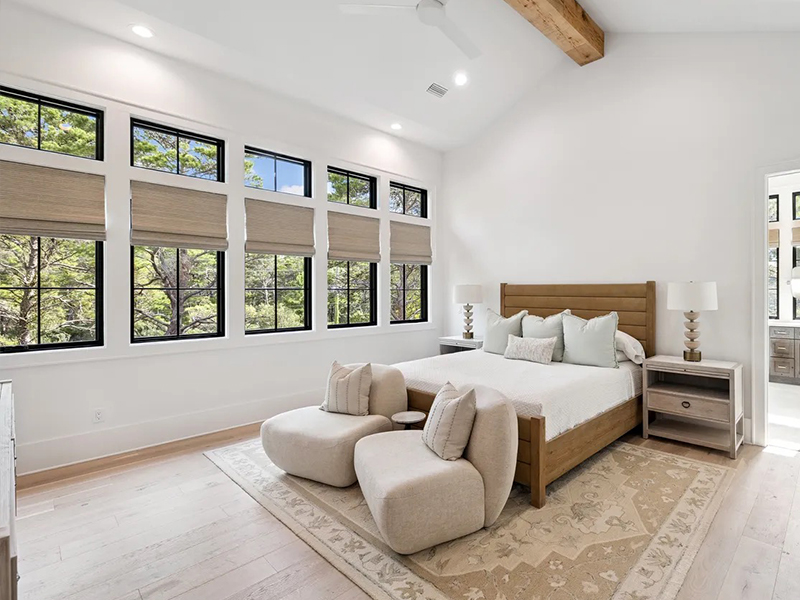
Solid hardwood flooring demands a much more painful entry fee. Between the high cost of lumber—especially for popular domestic species like White Oak or Maple—and the skilled labor required for nailing, sanding, and finishing, you are looking at a price tag of twelve to twenty dollars per square foot or more. A project that costs one thousand dollars in carpet could easily cost four thousand dollars in hardwood. It is a massive upfront capital commitment that often forces homeowners to delay other renovations.
Yet, that four thousand dollars purchases an asset rather than a consumable good. In the US real estate market, hardwood floors are a gold standard that actively increases your home’s appraisal value. While carpet often returns zero value at resale—or is even viewed as a liability that buyers mentally deduct the cost of removing—hardwood typically recovers seventy to eighty percent of its initial cost when you sell. A well-maintained wood floor lasts not just ten years, but often over a hundred. Instead of ripping it out when it looks worn, you simply pay to have it refinished, stripping away the old layer to reveal fresh wood underneath, effectively resetting the clock for another twenty years.
Ultimately, the American flooring narrative comes down to your time horizon. If you are flipping a house quickly or need a cheap fix for a kids’ playroom, carpet is the tactical financial choice. But if you view your home as a long-term investment, hardwood is the strategic winner, eventually paying for itself by eliminating replacement costs and boosting the final check you receive at the closing table.
HARDWOOD FLOORING: THE MONTEREY COLLECTION
Hallmark Floors excel in the Premium/Luxury category. If your priority is a floor that looks like custom, handcrafted wood rather than a generic factory product, they are a top contender.
Aesthetic & Texture: They are famous for their “Organic” and “Alta Vista” collections which feature authentic, hand-scraped, and wire-brushed textures. They don’t look “plastic” or repetitive.
The “NuOil” Finish: Unlike most manufacturers that use a plastic-like urethane layer, Hallmark offers a hybrid oil finish.
Pro: It looks incredibly natural and matte (no artificial shine).
Pro: It is easier to spot-repair scratches because you just add more oil, whereas urethane floors often require a full refinish.
Core Construction: Many competitors use cheap pine plywood cores. Hallmark often uses Eucalyptus or Baltic Birch cores for their engineered floors. This makes them more stable in humid environments (like the Philippines/tropical climates) compared to cheaper brands.